Search for:
Local Crafts Tours
Local Crafts Tours: Discover Handmade Treasures.

Embarking on a self-guided local crafts tour is a fantastic way to delve into the heart of a region’s artistic heritage and discover unique, handmade treasures. By exploring artisan workshops, craft markets, and local studios, you can experience the rich traditions and contemporary creativity that define a destination’s craft scene. Here’s how to plan a memorable journey focused on local crafts.

1. Define Your Craft Interests

Identify the types of crafts you’re most interested in:

  • Traditional Handicrafts: Explore age-old techniques and cultural crafts, such as pottery, weaving, or woodcarving.
  • Modern Artisanal Products: Discover contemporary handmade items like jewelry, textiles, or ceramics.
  • Local Specialties: Focus on crafts unique to the region you’re visiting, such as Navajo rugs in the Southwest or Venetian glass in Italy.

2. Research Local Craft Locations

Find key locations to include in your tour:

  • Artisan Workshops: Visit local workshops where artisans create their crafts. This could include pottery studios, textile workshops, or woodcarving shops.
  • Craft Markets and Fairs: Attend local markets or fairs known for showcasing handmade goods and artisanal products. Look for events that highlight regional crafts and provide opportunities to meet the makers.
  • Craft Galleries and Shops: Explore galleries or boutiques that feature local crafts and offer a range of handmade items for sale.

3. Plan Your Craft Tour Itinerary

Local Crafts Tours
Local Crafts Tours

Create a route that includes a variety of craft-related locations:

  • Major Craft Destinations: Identify well-known craft hubs or regions famous for their handmade goods, such as Oaxaca in Mexico for textiles or Kyoto in Japan for traditional ceramics.
  • Local Studios and Workshops: Schedule visits to specific studios or workshops where you can observe artisans at work and learn about their techniques.
  • Crafting Events: Include any local craft festivals, exhibitions, or special events happening during your visit.

4. Prepare for Your Craft Tour

Get ready to immerse yourself in the world of local crafts:

  • Essential Items: Bring a camera, notebook, and comfortable shoes for exploring. Consider carrying a reusable bag for any crafts you may purchase.
  • Local Resources: Obtain guidebooks or local maps that highlight craft locations and provide background information about the artisans and their work.
  • Cultural Etiquette: Research local customs and etiquette related to purchasing crafts and interacting with artisans to ensure respectful and meaningful engagement.

5. Engage with Artisans

Make the most of your visits by connecting with the creators:

  • Ask Questions: Engage with artisans about their techniques, inspirations, and the cultural significance of their crafts. Many artisans appreciate visitors who show genuine interest in their work.
  • Participate in Workshops: Join hands-on workshops or demonstrations to learn crafting techniques and create your own handmade items.
  • Purchase Responsibly: Support local artisans by purchasing authentic, handmade items. Look for fair trade or ethically produced goods when making purchases.

6. Document and Share Your Craft Tour

Capture and share your experience with others:

  • Social Media: Post photos, videos, and stories of your craft tour on social media. Use relevant hashtags and tags to connect with other craft enthusiasts and promote the artisans you visit.
  • Blog or Vlog: Write a blog post or create a video about your tour, including highlights, artisan interviews, and tips for other travelers interested in local crafts.
  • Craft Community: Share your experiences with online craft communities or local groups to inspire others and foster a greater appreciation for handmade treasures.

7. Example Craft Tours

Here are some inspiring ideas for local crafts tours:

  • Japanese Craft Tour: Explore traditional Japanese crafts such as Kyo-yaki pottery in Kyoto, Sado Island’s gold leaf artisans, and Nambu Tekki cast ironware in Iwate Prefecture.
  • Mexican Artisan Tour: Visit Oaxaca for its renowned textiles and pottery, Guadalajara for its traditional Talavera ceramics, and Mexico City’s vibrant craft markets.
  • European Craft Tour: Discover the handcrafted glass in Murano, Italy, traditional lace-making in Bruges, Belgium, and artisanal leather goods in Florence, Italy.

Conclusion

A self-guided local crafts tour offers an enriching way to experience the artistry and cultural heritage of your destination. By exploring artisan workshops, craft markets, and local studios, you can gain a deeper appreciation for handmade treasures and support the talented individuals behind them. Embrace the creativity and tradition of local crafts and enjoy a journey filled with unique discoveries and meaningful encounters.

Urban Gardens
Urban Gardens: Discover City Green Spaces

A self-guided tour of urban gardens offers a peaceful retreat into the green spaces nestled within your city. These gardens provide a refreshing escape from the hustle and bustle of urban life, offering lush landscapes, beautiful flowers, and tranquil spots to relax and rejuvenate. This guide will help you navigate your tour of urban gardens, allowing you to appreciate the natural beauty and serenity these green spaces provide.

Urban Gardens
Urban Gardens

Plan Your Urban Garden Route

Start by researching the urban gardens in your area. Look for a variety of gardens, including public parks, community gardens, botanical gardens, and rooftop green spaces. Utilize local directories, online resources, and community recommendations to create a list of must-visit locations. Planning your route ensures you experience a diverse range of green spaces and enjoy a comprehensive tour.

Begin with Public Parks

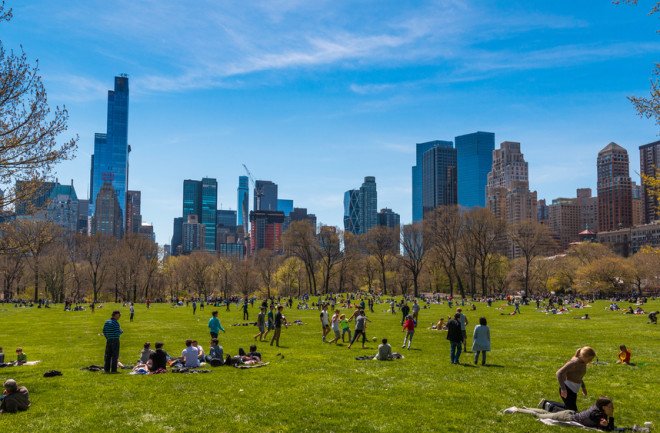
Kick off your tour with a visit to well-known public parks that offer expansive green spaces, walking paths, and a variety of plant life. These parks often feature beautiful landscapes, water features, and recreational areas. Take time to explore the different sections of the park, enjoy a leisurely walk, and soak in the natural beauty.

Explore Community Gardens

Next, delve into community gardens that showcase local efforts to create green spaces within urban environments. These gardens are often maintained by volunteers and feature a mix of flowers, vegetables, and herbs. Visiting community gardens allows you to appreciate the community spirit and sustainability efforts that contribute to these green oases.

Discover Botanical Gardens

Include visits to botanical gardens that offer a more curated and educational experience. These gardens often feature a wide variety of plant species, thematic sections, and informative displays. Exploring botanical gardens provides an opportunity to learn about different plants, their habitats, and the importance of plant conservation.

Visit Rooftop Gardens

Incorporate visits to rooftop gardens that provide unique green spaces high above the city streets. These gardens often offer stunning views, innovative designs, and a tranquil escape from the urban environment below. Discovering rooftop gardens highlights the creative ways in which urban spaces can be transformed into lush green areas.

Engage with Garden Features

Take time to engage with the various features found within urban gardens, such as sculptures, fountains, and seating areas. These elements often enhance the aesthetic appeal and functionality of the gardens, providing spots for relaxation and contemplation. Observing these features adds another layer of enjoyment to your tour.

Enjoy Seasonal Blooms

If possible, time your visit to coincide with seasonal blooms and special garden events. Many gardens host events such as flower shows, plant sales, and educational workshops. Enjoying seasonal blooms and participating in garden events enriches your experience and allows you to see the gardens at their most vibrant.

Document Your Urban Garden Journey

Document your journey by taking photographs and notes of the gardens you visit. Capture the beauty of the landscapes, the variety of plant life, and any interesting features you encounter. Keeping a visual and written record helps you remember the highlights of your tour and share your experiences with others.

Reflect on Urban Green Spaces

After completing your tour, take time to reflect on the importance and benefits of urban green spaces. Consider how these gardens contribute to the well-being of city residents, support biodiversity, and enhance the urban environment. Reflecting on these aspects helps you appreciate the value of preserving and creating green spaces in cities.

Conclusion

A self-guided tour of urban gardens offers a tranquil and enriching exploration of your city’s green spaces. By planning your route, visiting public parks, community gardens, botanical gardens, and rooftop gardens, you gain a deeper appreciation for the natural beauty and serenity these spaces provide. Enjoy the journey through your city’s urban gardens and let each visit reveal the peaceful and lush landscapes that make these green spaces special.

Natural Wonders to Explore on Self-Guided Hikes
Amazing Natural Wonders to Explore on Self-Guided Hikes

Exploring natural wonders on self-guided hikes can be an exhilarating adventure. Discover these awe-inspiring destinations that offer breathtaking landscapes and unforgettable experiences:

1. Grand Canyon, Arizona, USA

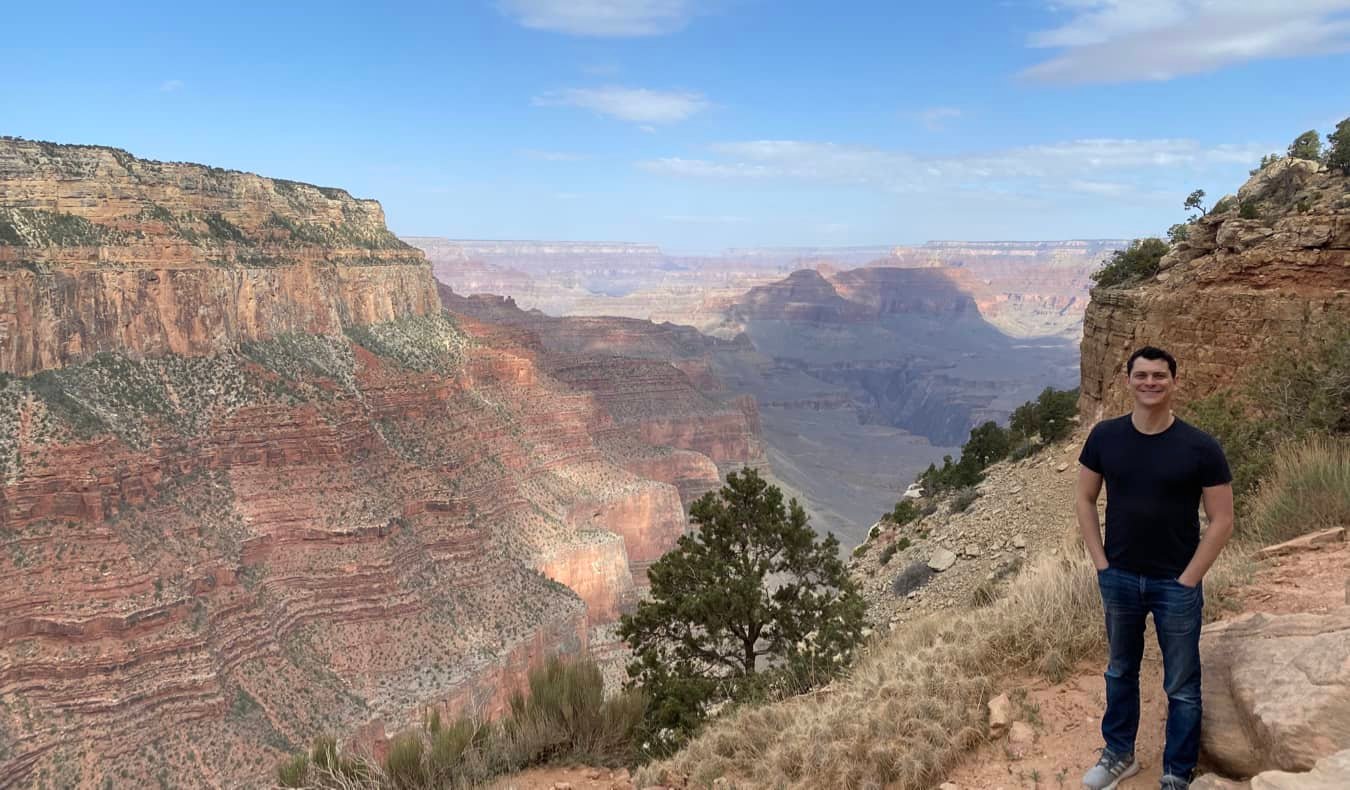
The natural wonder to explore on top of many lists, the Grand Canyon offers stunning vistas and challenging hiking trails. Witness the canyon’s vastness and geological history as you navigate through its rugged terrain.

Natural Wonders to Explore on Self-Guided Hikes

2. Great Barrier Reef, Australia

Snorkel or dive along the Great Barrier Reef, a natural wonder to explore known for its vibrant coral reefs and diverse marine life. Self-guided tours allow you to explore at your own pace and discover secluded spots.

3. Machu Picchu, Peru

Embark on a self-guided hike to Machu Picchu, an ancient Incan city nestled high in the Andes mountains. The journey rewards you with panoramic views and insights into the region’s rich history and culture.

4. Yosemite National Park, California, USA

Explore the waterfalls, granite cliffs, and giant sequoias of Yosemite National Park, a natural wonder to explore that offers trails for all skill levels. Experience the park’s natural beauty and tranquillity.

5. Banff National Park, Alberta, Canada

Hike through Banff National Park’s rugged landscapes, turquoise lakes, and snow-capped peaks. This natural wonder to explore is perfect for wildlife spotting and immersing yourself in the Canadian Rockies.

6. Mount Kilimanjaro, Tanzania

Challenge yourself with a self-guided hike up Mount Kilimanjaro, Africa’s highest peak. The trek takes you through diverse ecosystems, from lush rainforests to alpine deserts, culminating in breathtaking summit views.

7. Norwegian Fjords, Norway

Explore the dramatic landscapes of the Norwegian fjords on self-guided hikes. These natural wonders to explore offer jaw-dropping views of cliffs, cascading waterfalls, and serene fjord waters.

8. Zion National Park, Utah, USA

Hike the trails of Zion National Park, known for its towering red rock cliffs and narrow slot canyons. This natural wonder to explore offers opportunities for adventure and solitude amidst stunning desert scenery.

9. The Dolomites, Italy

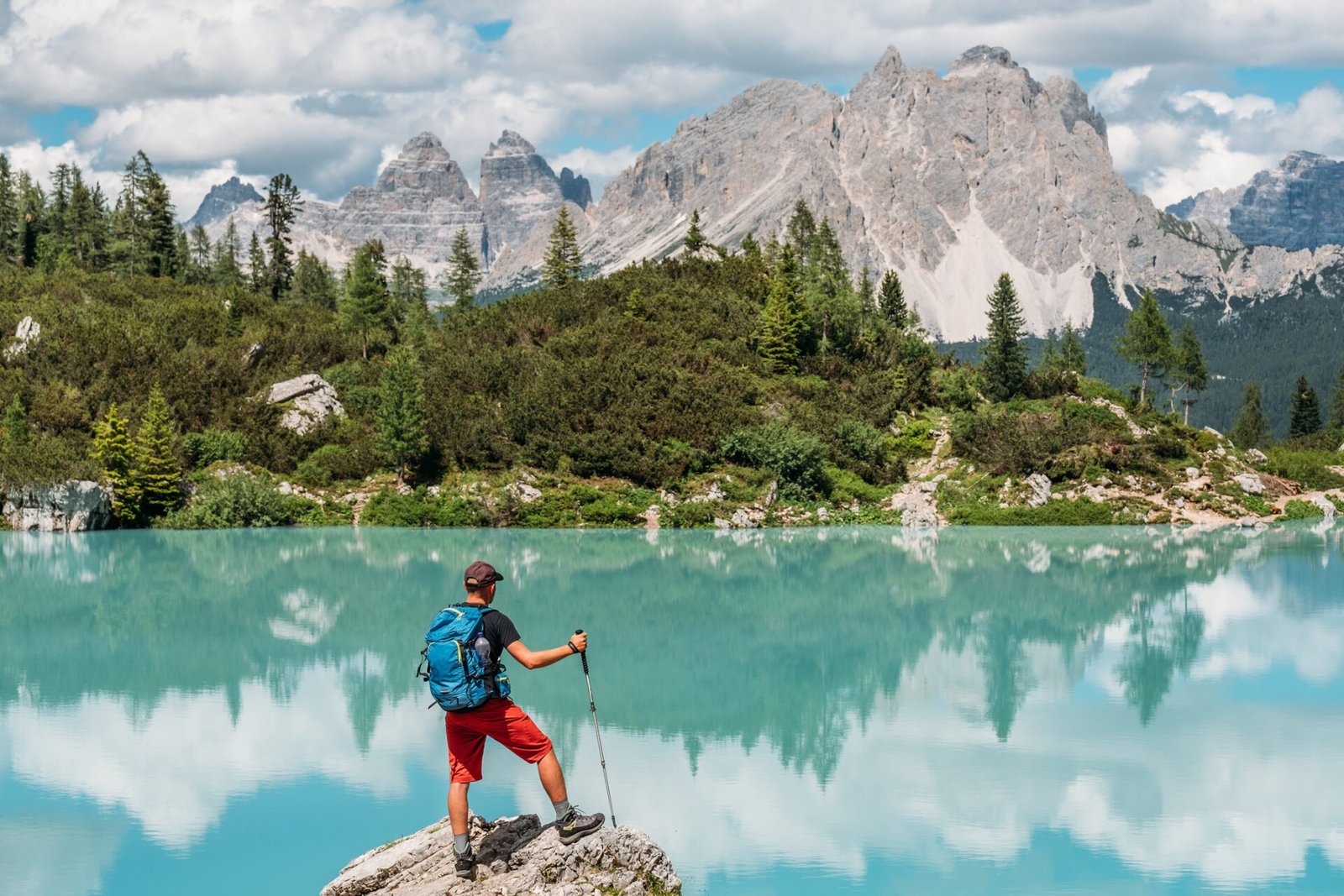
Discover the Dolomites’ jagged peaks, alpine meadows, and picturesque villages on self-guided hikes. This natural wonder to explore is a paradise for outdoor enthusiasts and photographers alike.

10. Tongariro Alpine Crossing, New Zealand

Trek across the Tongariro Alpine Crossing, a natural wonder to explore featuring volcanic craters, emerald lakes, and panoramic views of the North Island’s diverse landscapes.

11. Torres del Paine National Park, Chile

Navigate the trails of Torres del Paine National Park, home to rugged mountains, glaciers, and turquoise lakes. This natural wonder to explore offers opportunities for wildlife encounters and remote exploration.

12. Antelope Canyon, Arizona, USA

Embark on a self-guided hike through the narrow slot canyons of Antelope Canyon. Capture the play of light and shadows on the canyon walls, creating a surreal and mesmerizing experience.

13. Santorini Caldera, Greece

Hike along the caldera rim of Santorini, offering stunning views of the Aegean Sea, whitewashed villages, and volcanic landscapes. This natural wonder to explore combines history, culture, and breathtaking scenery.

14. Blue Mountains, New South Wales, Australia

Explore the Blue Mountains’ eucalyptus forests, waterfalls, and panoramic lookouts on self-guided hikes.

15. Plitvice Lakes National Park, Croatia

Wander through Plitvice Lakes National Park’s cascading waterfalls, crystal-clear lakes, and lush forests. This natural wonder to explore offers boardwalk trails that immerse you in its enchanting landscapes.

16. Pembrokeshire Coast, Wales

Hike along the Pembrokeshire Coast Path, winding through rugged cliffs, sandy beaches, and wildlife-rich habitats. This natural wonder to explore showcases Wales’ coastal beauty and maritime heritage.

17. Table Mountain, South Africa

Ascend Table Mountain on self-guided hikes or take the cable car for panoramic views of Cape Town and the surrounding coastline. This natural wonder to explore offers diverse flora and fauna in a stunning setting.

18. The Inca Trail, Peru

Follow in the footsteps of the ancient Incas on the Inca Trail to Machu Picchu. This natural wonder to explore combines history with breathtaking Andean scenery, including cloud forests and mountain passes.

Conclusion

Embarking on self-guided hikes to explore natural wonders allows you to connect with nature, challenge yourself physically, and discover some of the world’s most spectacular landscapes.

Tech-Enhanced Tours
Tech-Enhanced Tours: Use Gadgets to Improve Your Experience.

Incorporating technology into your self-guided tours can transform your travel experience, making it more immersive, informative, and enjoyable. By using the latest gadgets and tech innovations, you can enhance your exploration, gain deeper insights, and navigate with ease. Here’s how to leverage technology to elevate your next adventure.

1. Smart Travel Gadgets

Utilize smart gadgets designed to enhance your travel experience:

  • Smartphones and Tablets: Essential for navigation, research, and communication. Load them with travel apps, maps, and language translation tools to streamline your journey.
  • Portable Wi-Fi Hotspots: Ensure constant internet access to stay connected and access real-time information, even in remote areas.
  • Digital Travel Guides: Use e-books or apps that offer detailed guides, historical information, and interactive maps for self-guided tours.

2. Augmented Reality (AR) Applications

Enhance your exploration with AR technology:

  • AR Tour Apps: Apps like Google Lens or AR City provide interactive overlays on real-world views, offering additional information and context about landmarks and attractions.
  • Virtual Museum Tours: Experience museum exhibits through AR apps that bring artifacts to life and provide detailed descriptions and historical context.
  • Interactive Historical Reconstructions: Use AR to see historical events and scenes overlaid on current landscapes, enriching your understanding of historical sites.

3. GPS and Navigation Tools

Optimize your route and exploration with advanced navigation tools:

  • GPS Devices: Portable GPS units can guide you through unfamiliar areas, offering turn-by-turn directions and points of interest.
  • Navigation Apps: Apps like Google Maps or Waze provide real-time traffic updates, walking directions, and local recommendations.
  • Geo-Tagging: Use geo-tagging apps to mark and share your favorite spots and experiences, creating a personalized map of your tour.

4. Smart Wearables

Integrate smart wearables into your travel routine:

  • Fitness Trackers: Monitor your physical activity, track steps, and measure heart rate, especially useful for hiking or city walking tours.
  • Smart Glasses: Wearable tech like Google Glass or Vuzix Blade can provide real-time information, navigation prompts, and notifications without interrupting your sightseeing.
  • Smart Watches: Use smartwatches for navigation, communication, and quick access to travel apps, helping you stay organized and on schedule.

5. High-Tech Photography

Capture and share your experiences with advanced photography gadgets:

  • 360-Degree Cameras: Create immersive, panoramic photos and videos of your surroundings, allowing you to relive your tour in a more dynamic way.
  • Drones: Use drones to capture aerial views of landscapes, landmarks, and cityscapes, offering a unique perspective on your travels.
  • Gimbal Stabilizers: Ensure smooth, professional-quality videos and photos, even while on the move, by using gimbal stabilizers for your camera or smartphone.

6. Language Translation Tools

Overcome language barriers with technology:

  • Translation Apps: Apps like Google Translate or iTranslate can help you communicate and understand local languages, menus, and signage.
  • Pocket Translators: Handheld devices designed for instant translation, providing quick and accurate translations for conversations and text.
  • Speech-to-Text Technology: Use speech recognition tools to translate spoken language into text, assisting with communication and comprehension.
Tech-Enhanced Tours
Tech-Enhanced Tours

7. Virtual Reality (VR) Experiences

Immerse yourself in virtual explorations:

  • VR Travel Experiences: Explore destinations through VR headsets, allowing you to virtually visit landmarks and attractions before your trip.
  • Virtual Guided Tours: Participate in live or recorded VR guided tours of museums, historical sites, or cities, providing an interactive and educational experience.
  • Historical Reenactments: Experience historical events and cultural scenes in VR, offering a deeper understanding of historical contexts and settings.

8. Tech-Enhanced Entertainment

Enjoy high-tech entertainment options during your tour:

  • Audiobooks and Podcasts: Listen to audiobooks or podcasts related to your travel destinations, providing background information, stories, and insights during your journey.
  • Streaming Services: Access streaming services for entertainment during downtime or long journeys, ensuring you have access to movies, shows, and music.
  • Travel Games and Apps: Engage with travel-themed games and apps that offer challenges, quizzes, and interactive experiences related to your destinations.

9. Practical Tech Tips

Ensure a smooth tech-enhanced tour with these practical tips:

  • Charge Your Devices: Bring portable chargers or power banks to keep your gadgets charged throughout the day.
  • Data Security: Use VPNs and secure connections to protect your data and privacy while using public Wi-Fi networks.
  • Tech Compatibility: Verify that your gadgets and apps are compatible with the local technology standards and power outlets.

Conclusion

Embracing technology in your self-guided tours can significantly enhance your travel experience, making it more immersive, efficient, and enjoyable. By incorporating smart gadgets, AR, VR, and other tech innovations, you can gain deeper insights, navigate with ease, and capture unforgettable moments. Elevate your adventure with tech-enhanced tours and enjoy a new level of exploration and discovery.

Art Districts
Art Districts: Explore Creative Neighborhoods on Your Own

A self-guided tour of art districts offers an exciting opportunity to explore the creative heart of your city. Art districts are vibrant neighborhoods filled with galleries, murals, and artistic installations that reflect the local culture and creativity. This guide will help you navigate your tour through these dynamic areas, allowing you to experience the artistic diversity and energy that define your city’s creative scene.

Art Districts
Art Districts

Plan Your Art District Route

Start by researching the art districts in your city. Look for areas known for their concentration of galleries, public art, and creative spaces. Utilize local art guides, online resources, and community recommendations to create a list of must-visit districts. Planning your route ensures you cover a range of artistic experiences and enjoy a comprehensive tour of the city’s creative landscape.

Begin with Gallery Hopping

Kick off your tour by visiting prominent galleries that showcase a variety of artistic styles and mediums. Galleries often feature exhibitions by local and international artists, offering a glimpse into contemporary art trends and creative expressions. Take your time to explore the exhibitions, engage with the art, and, if possible, speak with gallery staff about the featured works.

Explore Public Art and Murals

Next, venture into areas known for their public art and murals. These vibrant artworks are often displayed on building walls, sidewalks, and public spaces, adding color and creativity to the urban environment. Take a leisurely stroll through these areas, photographing and appreciating the diverse styles and themes represented in the public art.

Discover Artist Studios and Creative Spaces

Include visits to artist studios and creative spaces that open their doors to the public. These spaces often host open studios, workshops, and exhibitions where you can meet artists, learn about their processes, and view their work up close. Exploring artist studios provides insight into the creative process and the opportunities for interaction with the artistic community.

Visit Art and Cultural Centers

Incorporate visits to art and cultural centers that play a significant role in promoting and supporting the local art scene. These centers often feature rotating exhibitions, educational programs, and community events. Engaging with art and cultural centers enhances your understanding of the broader artistic landscape and the initiatives supporting local artists.

Enjoy Art-Themed Cafes and Shops

Take time to visit art-themed cafes and shops that offer a blend of creative ambiance and artistic products. Many of these establishments feature art-related decor, locally crafted goods, and artistic events. Enjoying a coffee or browsing through unique art pieces adds a personal touch to your tour and supports local businesses.

Document Your Art District Journey

Document your journey by taking photographs and notes of the galleries, murals, and artistic spaces you visit. Capture the details of artworks, the atmosphere of creative spaces, and any interesting information you learn about the artists and their work. Keeping a visual and written record helps you remember the highlights of your tour and share your experiences with others.

Reflect on Artistic Diversity

After completing your tour, take time to reflect on the artistic diversity and creativity you encountered. Consider how the different styles, themes, and artistic expressions contribute to the cultural identity of your city. Reflecting on these aspects helps you appreciate the richness and vibrancy of your city’s art districts.

Conclusion

A self-guided tour of art districts offers a dynamic and enriching exploration of your city’s creative scene. By planning your route, visiting galleries, public art, artist studios, and art centers, you gain a deeper appreciation for the artistic talent and cultural vitality that define your city. Enjoy the journey through your city’s art districts and let each stop reveal the creativity and energy that make these neighborhoods unique.

Budgeting for Self-Guided Tours

Embarking on a self-guided tour offers the flexibility to explore destinations at your own pace, but it also requires careful financial planning. Proper budgeting ensures you make the most of your trip without overspending. Here’s a comprehensive guide to help you manage your finances for a self-guided adventure. Learn tips for budgeting for Self-Guided Tours.

Budgeting for Self-Guided Tours

1. Define Your Budget

Before you start planning your self-guided tour, establish a clear budget. Consider the following factors:

Overall Budget: Determine the total amount you’re willing to spend on your trip. This should include all expenses, from transportation to accommodation.

Daily Expenses: Break down your budget into daily allowances for food, activities, and miscellaneous costs. This helps you keep track of your spending on a daily basis.

2. Plan Your Transportation Costs

Transportation can be one of the most significant expenses on a self-guided tour. Plan and budget for the following:

Local Transportation: Research the cost of local public transportation, taxis, or ride-sharing services. Consider purchasing passes or cards for unlimited travel if available.

Rental Costs: If you’re renting a vehicle, compare prices from different rental companies and factor in fuel, insurance, and parking fees.

Travel Insurance: Don’t forget to include travel insurance in your budget to cover any unexpected incidents or cancellations.

3. Budget for Accommodation

Accommodation costs vary widely depending on your destination and preferences. Consider these options:

Accommodation Type: Decide between hotels, hostels, vacation rentals, or budget-friendly lodgings. Research and compare prices to find the best deals.

Booking in Advance: Booking your stay in advance often results in better rates and more choices. Look for discounts and special offers online.

Extras: Account for any additional fees such as resort charges, Wi-Fi, or parking.

4. Allocate Funds for Food and Dining

Eating out can quickly add up, so plan your food budget wisely:

Dining Options: Mix dining at restaurants with self-catering options if possible. Consider visiting local markets and preparing some of your own meals.

Local Cuisine: Allocate a portion of your budget to try local specialties and experience authentic dining.

Snacks and Drinks: Don’t forget to budget for snacks, beverages, and occasional treats.

5. Plan for Activities and Attractions

Self-guided tours often involve exploring various attractions and activities. Plan and budget accordingly:

Entry Fees: Research and list the entry fees for museums, parks, and other attractions you plan to visit. Look for discounts or free days.

Tours and Guides: If you plan to use local guides or join special tours, factor these costs into your budget.

Activities: Allocate funds for activities such as hiking permits, boat rentals, or adventure sports.

6. Include Miscellaneous Expenses

Plan for any additional costs that may arise during your trip:

Souvenirs: Set aside a portion of your budget for souvenirs and gifts.

Unexpected Costs: Have a contingency fund for unexpected expenses like medical emergencies or sudden changes in plans.

Tips and Gratuities: Budget for tips and gratuities for service staff, which can vary depending on the local customs.

7. Track Your Spending

To stay within your budget, keep track of your expenses throughout your trip:

Expense Tracking Apps: Use budgeting apps or tools to monitor your spending and ensure you’re sticking to your budget.

Receipts: Keep receipts for all purchases and track them daily to stay on top of your expenses.

8. Adjust Your Budget as Needed

Be flexible and adjust your budget if needed:

Spending Adjustments: If you find you’re overspending in one area, adjust other areas of your budget to compensate.

Cost-Saving Tips: Look for ways to save money on the go, such as using public transportation instead of taxis or dining at more affordable restaurants.

Conclusion

Budgeting for a self-guided tour requires careful planning and flexibility. By defining your budget, planning for transportation, accommodation, food, and activities, and tracking your expenses, you can enjoy a memorable and financially manageable adventure. Embrace the freedom of self-guided travel while staying within your financial means for a stress-free experience.

Finding Self-Guided Tours in Less Touristy Areas
Top Tips for Finding Tours in Less Touristy Areas

Exploring less touristy areas through self-guided tours can lead to authentic and enriching travel experiences. Here are practical tips for finding tours in less touristy areas.

Tips for Finding Tours in Less Touristy Areas

1. Research Offbeat Destinations Online

Start your journey by researching lesser-known destinations on travel websites and forums. Look for articles and travel blogs that highlight tours in less touristy areas with detailed insights and local recommendations.

Finding Tours in Less Touristy Areas

2. Use Specialized Travel Apps and Websites

Utilize travel apps and websites that specialize in promoting tours in less touristy areas. These platforms often feature user-generated content and curated lists of unique experiences beyond popular tourist spots.

3. Consult Local Tourism Offices

Reach out to local tourism offices or visitor centres at your destination. They can provide information on self-guided tours, hiking trails, and cultural experiences tailored to less touristy areas.

4. Explore Ecotourism and Nature Conservation Areas

Consider tours in less touristy areas that focus on ecotourism and nature conservation. These initiatives often lead to serene landscapes, wildlife encounters, and sustainable travel practices.

5. Join Online Travel Communities

Engage with online travel communities and social media groups focused on tours in less touristy areas. Connect with fellow travellers to exchange tips, recommendations, and firsthand experiences.

6. Plan Around Local Events and Festivals

Schedule your trip to coincide with local events, festivals, or cultural celebrations. These occasions provide opportunities to immerse yourself in the authentic traditions and lifestyles of less touristy areas.

7. Rent a Car for Flexibility

Renting a car allows you to explore tours in less touristy areas at your own pace. It provides the freedom to venture off the main roads and discover hidden villages, scenic routes, and natural wonders.

8. Consider Alternative Accommodations

Stay in guesthouses, bed and breakfasts, or small boutique hotels in less touristy areas. These accommodations offer personalized service and insights into local culture that enhance your travel experience.

9. Explore Historical and Cultural Routes

Follow historical or cultural routes that traverse less touristy areas. These self-guided tours often lead to ancient ruins, heritage sites, and local museums with rich stories to uncover.

10. Embrace Outdoor Activities and Adventure

Engage in outdoor activities such as hiking, cycling, or kayaking in tours in less touristy areas. These adventures provide opportunities to explore natural landscapes and scenic vistas away from crowds.

11. Use Public Transportation for Local Insights

Utilize local buses, trains, or ferries to navigate less touristy areas. Public transportation offers a glimpse into everyday life and allows you to interact with locals for insider tips and recommendations.

12. Seek Guidance from Local Guides and Experts

Hire local guides or join guided tours that specialize in tours in fewer areas. They offer in-depth knowledge, storytelling, and access to hidden spots that enhance your travel experience.

13. Participate in Community-Based Tourism Initiatives

Support community-based tourism projects that empower local communities in less touristy areas. These initiatives promote cultural exchange, sustainable development, and authentic travel experiences.

14. Pack Essentials for Remote Travel

Prepare for tours in fewer areas by packing essentials such as sunscreen, insect repellent, hiking boots, and a reusable water bottle. Be ready for varying terrain and weather conditions.

15. Learn Basic Local Phrases and Customs

Learn a few phrases in the local language and familiarize yourself with cultural customs in less touristy areas. Respectful behaviour fosters positive interactions and enriches your travel experience.

16. Capture Memories with Photography

Document your journey through photography to capture the unique landscapes, architecture, and daily life of less touristy areas. Photography allows you to relive memories and share your experiences with others.

17. Support Local Businesses and Artisans

Shop at local markets, dine at family-owned restaurants and purchase handmade crafts on tours in fewer areas. Your support contributes to the local economy and preserves cultural heritage.

18. Reflect and Share Your Experience

Take time to reflect on your travel experiences in less touristy areas. Share stories, photos, and insights with friends, family, and fellow travellers to inspire others to explore off-the-beaten-path destinations.

Conclusion

Finding tours in less touristy areas requires curiosity, research, and a willingness to explore beyond popular destinations. By following these tips, you can embark on a memorable journey filled with authentic experiences and discoveries. Start planning your next adventure off the beaten path today!

Historic Homes
Historic Homes: A Self-Guided Tour of Architectural Heritage

A self-guided tour of historic homes offers an intriguing glimpse into the architectural heritage and historical significance of your city. These residences, ranging from grand estates to charming cottages, reflect the design trends and cultural influences of their respective eras. This guide will help you navigate your tour of historic homes, allowing you to appreciate the beauty and history that these structures embody.

Historic Homes
Historic Homes

Plan Your Historic Home Route

Start by researching the historic homes in your area. Look for properties that are known for their architectural style, historical importance, or notable past residents. Utilize local history books, online resources, and heritage society recommendations to create a list of must-visit homes. Planning your route ensures you experience a diverse range of architectural styles and historical contexts.

Begin with Grand Estates

Kick off your tour with visits to grand estates that showcase opulent architecture and extensive grounds. These homes often feature elaborate designs, such as ornate facades, expansive lawns, and intricate detailing. Take time to appreciate the craftsmanship and historical significance of these grand residences, which often represent the peak of their era’s architectural achievements.

Explore Historic Cottages

Next, delve into historic cottages that offer a more intimate glimpse into past residential life. These homes often exhibit charming designs, cozy interiors, and practical features that reflect the everyday experiences of their original inhabitants. Exploring historic cottages provides a contrast to the grandeur of estates and highlights the diversity of historical home styles.

Discover Architectural Styles

As you tour historic homes, pay attention to the different architectural styles represented. Look for examples of Victorian, Colonial, Georgian, and other distinctive styles. Observing the design elements, such as rooflines, windows, and ornamentation, helps you appreciate the evolution of architectural trends and the unique characteristics of each style.

Visit Homes with Notable Histories

Include visits to homes that have notable historical significance, such as those associated with famous individuals or key events. Learning about the stories and achievements linked to these homes adds depth to your tour and provides insight into the broader historical context of your city.

Engage with Preservation Efforts

Take time to learn about the preservation efforts that have helped maintain the historic homes you visit. Many of these properties are protected by heritage organizations and local preservation societies. Understanding the challenges and successes of preservation efforts enhances your appreciation for the ongoing work that ensures these homes remain a part of your city’s heritage.

Document Your Historic Home Tour

Document your tour by taking photographs and notes of the homes you visit. Capture architectural details, unique features, and any interesting historical information you learn. Keeping a visual and written record helps you remember the highlights of your tour and share your experiences with others.

Reflect on Architectural and Historical Significance

After completing your tour, take time to reflect on the architectural and historical significance of the homes you visited. Consider how these residences contribute to the cultural and historical identity of your city. Reflecting on these aspects helps you appreciate the role of historic homes in preserving and telling the story of your city’s past.

Conclusion

A self-guided tour of historic homes offers a captivating exploration of your city’s architectural and historical heritage. By planning your route, visiting grand estates, historic cottages, and homes with notable histories, you gain a deeper appreciation for the diverse styles and stories that these residences represent. Enjoy the journey through your city’s architectural heritage and let each home reveal its unique beauty and history.

Literary Tours
Literary Tours: Visit Famous Book Locations and Landmarks.

A self-guided literary tour offers a unique way to immerse yourself in the world of your favorite books and authors. By visiting famous book locations and landmarks, you can experience the settings and inspirations behind beloved literary works. Here’s how to plan an enchanting literary journey that celebrates the magic of literature.

1. Choose Your Literary Focus

Determine what aspects of literature you want to explore:

  • Classic Literature: Visit locations associated with timeless classics, such as Jane Austen’s Bath or Charles Dickens’ London.
  • Famous Authors: Explore the homes and favorite haunts of renowned writers, like Mark Twain’s house in Hartford or Ernest Hemingway’s home in Key West.
  • Book Settings: Discover real-world locations that inspired fictional worlds, such as the Scottish Highlands for “Outlander” or the English countryside for “Harry Potter.”
  • Literary Festivals: Attend events and festivals that celebrate literature, such as the Hay Festival in Wales or the Edinburgh International Book Festival.

2. Research Notable Literary Locations

Identify key locations to include in your tour:

  • Author Homes and Museums: Visit the homes, museums, or memorials dedicated to famous authors. Examples include the BrontĂ« Parsonage Museum in Yorkshire or the William Faulkner House in Oxford.
  • Iconic Book Settings: Explore real-life locations that feature prominently in literature, such as the streets of Dublin for James Joyce’s “Ulysses” or the moors of Wuthering Heights in Yorkshire.
  • Literary Landmarks: Discover landmarks that have become associated with literature, such as Shakespeare’s Globe Theatre in London or the New York Public Library featured in numerous literary works.

3. Plan Your Literary Itinerary

Create a route that includes a variety of literary locations:

  • Major Destinations: Include well-known literary landmarks and author homes that are central to your chosen literary focus.
  • Local Bookstores and CafĂ©s: Incorporate visits to local bookstores, literary cafĂ©s, or places where authors wrote or were inspired, like CafĂ© de Flore in Paris or The Elephant House in Edinburgh.
  • Travel Logistics: Plan your route and transportation to efficiently visit each location. Consider guided tours or local transport options if needed.
Literary Tours
Literary Tours

4. Prepare for Your Literary Tour

Ensure you’re ready for an engaging literary journey:

  • Essential Items: Bring a camera, notebooks, and a copy of the books related to the locations you’re visiting. Some locations may also offer guided tours or informational brochures.
  • Literary Guides: Obtain guidebooks or digital resources about the literary sites you’ll visit. Look for maps, historical information, and insights into the authors and their works.
  • Local Insights: Research any local tours or events related to literature, such as book readings, author signings, or literary walking tours.

5. Engage with Literary Locations

Make the most of your visit by connecting with the literary significance of each site:

  • Guided Tours: Utilize guided tours available at many literary landmarks to gain deeper insights into the history and significance of the locations.
  • Read and Reflect: Take time to read excerpts from the books associated with the locations you visit. Reflect on how the setting and surroundings align with the descriptions in the literature.
  • Interact with Locals: Engage with local book enthusiasts, bookstore owners, or tour guides who can offer additional context and recommendations related to literature.

6. Share Your Literary Journey

Document and share your experiences with fellow literature lovers:

  • Social Media: Post photos, quotes, and highlights from your literary tour on social media. Use hashtags and tags related to literature to connect with others who share your interests.
  • Blog or Vlog: Write a blog post or create a video blog about your tour, including detailed descriptions, reflections, and recommendations for other literary travelers.
  • Book Clubs and Communities: Share your experiences with book clubs or online literary communities to inspire others and discuss the connections between literature and real-world locations.

7. Example Literary Tours

Here are some ideas for literary tours to inspire your journey:

  • British Literary Tour: Explore key locations related to British literature, including Shakespeare’s birthplace in Stratford-upon-Avon, the BrontĂ« Parsonage in Haworth, and the Harry Potter filming locations in London and Oxford.
  • American Literary Trail: Visit iconic American literary sites such as Mark Twain’s home in Hartford, the Ernest Hemingway Home and Museum in Key West, and the James Fenimore Cooper House in Cooperstown.
  • European Literary Adventure: Discover literary landmarks in Europe, such as the cafĂ©s of Paris frequented by Hemingway and Fitzgerald, the canals of Venice featured in “Death in Venice,” and the literary heritage of Dublin with its many connections to James Joyce and Oscar Wilde.

Conclusion

A self-guided literary tour provides a captivating way to explore the world of books and authors. By visiting famous book locations and landmarks, you can connect with the stories and characters that have inspired readers for generations. Embrace the magic of literature and enjoy the journey through iconic settings and literary history.

Cultural Etiquette for Self-Guided Tours

Embarking on a self-guided tour offers the freedom to explore at your own pace, but it also comes with the responsibility to respect local customs and traditions. Understanding cultural etiquette enhances your travel experience and fosters positive interactions with locals. Here’s a guide to navigating cultural norms during your self-guided adventures.

Cultural Etiquette for Self-Guided Tours

1. Research Local Customs

Before setting off, invest time in researching the cultural norms of your destination. Understanding the local customs will help you avoid unintentional offenses and show respect to the community. Key areas to focus on include:

  • Dress Code: Many cultures have specific dress codes, especially when visiting religious sites or formal settings. Ensure you dress appropriately to avoid drawing unwanted attention.
  • Social Norms: Learn about local social behaviors, such as greeting customs, dining etiquette, and personal space preferences.
  • Communication Styles: Familiarize yourself with common phrases and polite expressions. In some cultures, direct communication may be considered impolite, while in others, it’s valued.

2. Respect Religious Practices

Religious sites often have specific guidelines for visitors. Be mindful of these practices to show respect:

  • Appropriate Attire: Dress modestly when visiting places of worship. Cover shoulders, arms, and legs as required, and remove hats or shoes if instructed.
  • Behavior: Maintain a respectful demeanor. Avoid speaking loudly, taking photos where prohibited, or interrupting ongoing religious activities.
  • Observance: Participate in local customs and rituals when invited, such as removing shoes before entering a temple or mosque.

3. Be Mindful of Local Dining Etiquette

Dining customs can vary significantly from one culture to another. Observe these practices to ensure you’re respectful at mealtimes:

  • Table Manners: Learn about local table manners and dining rituals, such as the use of utensils, communal eating practices, or traditional dishes.
  • Tipping Practices: Understand the tipping culture in your destination. In some places, tipping is expected, while in others, it may be included in the bill or considered unnecessary.
  • Food Preferences: Respect local dietary restrictions and avoid making negative comments about traditional foods.

4. Follow Environmental and Social Etiquette

Responsible travel involves being considerate of both the environment and the local community:

  • Waste Disposal: Follow local guidelines for waste disposal and recycling. Avoid littering and be mindful of waste separation practices.
  • Photography Etiquette: Always ask for permission before taking photos of people, especially in rural or traditional areas. Respect signs indicating no photography.
  • Interaction with Locals: Approach interactions with kindness and humility. Be aware of cultural differences in social behavior and avoid behavior that might be seen as intrusive or disrespectful.

5. Adapt to Local Transportation Norms

Understanding local transportation norms can enhance your self-guided tour experience:

  • Public Transport: Familiarize yourself with local public transportation systems and their etiquette, such as queuing practices, seating rules, and fare payment.
  • Taxi and Ride-Sharing: Follow local practices for using taxis or ride-sharing services. Agree on fares in advance if not using a metered taxi.
  • Pedestrian Etiquette: Observe pedestrian rules, such as crosswalks and traffic signals. In some cities, jaywalking might be illegal or frowned upon.

6. Support Local Businesses Respectfully

Engage with local businesses in a way that supports the community and reflects your respect for their culture:

  • Shopping: Buy souvenirs and goods from local artisans or markets. Bargain politely if it’s customary, but avoid haggling excessively.
  • Dining: Eat at local restaurants and try traditional dishes. Show appreciation for the cuisine and service.
  • Interactions: Engage with local vendors and business owners with politeness and curiosity, avoiding behavior that might be perceived as rude or presumptive.

Conclusion

By adhering to these cultural etiquette guidelines, you’ll ensure that your self-guided tour is both enjoyable and respectful. Embrace the opportunity to immerse yourself in the local culture while being mindful of customs and practices. Respecting cultural norms not only enriches your travel experience but also fosters positive relationships with the communities you visit.

Start Your Adventure With Walk The Town

Walk the Town is your friendly guide to discovering your city on foot. We help you explore places nearby, enjoy quiet streets, and find fun spots close to home. Walking helps you relax, stay fit, and feel happy. So, instead of driving past everything, come walk with us and truly see what your town has to offer. We bring you fresh ideas for walks, easy self-tours, and fun local trips. Every journey is a chance to learn, breathe, and smile. Walk the Town shows you how to enjoy your area in a whole new way.

The Story Behind Walk The Town

We are a team of local explorers, city lovers, and everyday walkers. We created Walk the Town to help people enjoy walking again. We come from different places and backgrounds, but we all love one thing—walking with purpose. Our team walks every route we recommend. We take pictures. We note landmarks. We check paths for safety. We believe that walking helps people connect with their towns, with each other, and with themselves. So we share ideas to help others enjoy walking as much as we do.

Discover Local Trips

Local trips are short adventures right in your town. You don't need to pack bags or book flights. You just need comfy shoes, a little time, and the wish to explore. These trips are perfect for weekends or days off. They are also great for after work or school. Walk the Town helps you plan local trips with ease. We tell you where to go, how to get there, and what to see. You will visit parks, shops, markets, and special spots you never noticed before. Each trip brings joy and teaches you something new. You meet new people, taste new food, and feel closer to your town.

What Makes Local Trips Special?

Local trips are easy to do. You don't need much money. You stay close to home. But you still get the fun of travel. That's exciting. Every trip is different. You can walk through a quiet garden one day. Then visit a busy market next. Sometimes, you find art on walls. Other times, you hear music in the streets. These little moments make life better. Walk the Town gives you many trip ideas. We update them often, so you always have something fun to do

Explore Your Neighbourhood

Your neighbourhood has so many hidden treasures. Maybe you walk the same street every day. Every corner has a story. Every building holds memories. Walk the Town helps you see your neighbourhood with fresh eyes. We show you where the oldest tree stands. We point out that small café with the best muffins. We guide you to spots where kids play and where birds sing.

Why Neighbourhood Walks Matter

Taking a walk around your neighbourhood might seem like a small thing, but it can have a big impact on your well-being. At Walk the Town, we believe that simple walks can create joyful memories and improve your daily life in many ways.

Discovering the Beauty Around You

When you walk through your neighbourhood, you begin to notice things you've never paid attention to before. You might spot flowers growing through fences, birds singing in trees, or a new mural on a nearby wall. You wave at neighbours, smile at passersby, and feel more connected to the place you live. These small moments help you feel grounded and lift your mood.

Supporting Mental and Emotional Health

Walking is not just good for your body—it also helps your mind. As you move, your thoughts start to clear. Worries feel lighter, and your mind becomes calmer. Many people find that a short walk helps them think more clearly, solve problems, or simply feel more peaceful.

Improving Physical Fitness

Regular walking strengthens your body without needing a gym or equipment. It improves your heart health, supports your joints, and boosts energy levels. It's a gentle but powerful way to stay active, especially for people of all ages.

Creating Moments That Matter

At Walk the Town, we don't just encourage walking—we make it meaningful. We help you find the best routes, scenic spots, and quiet corners in your neighbourhood. Whether you're walking alone, with a friend, or with family, each walk becomes a chance to connect with your surroundings, your community, and yourself. This kind of connection is different from the online entertainment some prefer, such as playing roulette online.

Plan Your Self-Tours

Self-tours are fun and easy. You choose when to start, where to go, and how long to stay. You can walk alone or with friends. You don't need a guide. Walk the Town gives you clear routes with simple steps. We also tell you fun facts about the places you visit. Self-tours are perfect for people who like to explore freely. You can stop for coffee, take photos, or sit on a bench and enjoy the view. Every self-tour is your little adventure.

Explore New Paths with Modern Entertainment

Just as walking tours offer fresh perspectives on familiar places, digital leisure continues to evolve in surprising ways. For those looking to unwind after a long day of exploration, the best aussie online casino provides an engaging experience right from home. It’s a seamless way to relax and enjoy a bit of fun between adventures. Blending entertainment and convenience, it fits perfectly into a modern lifestyle.

Benefits of Self-Tours

Self-tours offer a flexible, enjoyable way to explore your surroundings. At Walk the Town, we make it easy for anyone to turn an ordinary walk into an adventure.

Explore at Your Own Pace

One of the biggest advantages of self-tours is freedom. There's no schedule to follow and no crowd to keep up with. You choose when to start, how long to stay, and where to go next. Want a stroll in the evening? It's completely up to you. You can stop for a coffee, take photos, or just enjoy a quiet moment, without feeling rushed.

Easy to Follow and Simple to Start

You don't need to be an expert to enjoy a self-tour. At Walk the Town, we provide simple maps and easy-to-read guides that help you get started. Whether you're a local or just visiting, our tools help you explore confidently.

Discover Local Stories and Hidden Gems

Self-tours give you a chance to see things you might otherwise miss. You could find murals tucked down an alley, read about a historic landmark, or pass by a charming building you've never noticed. Walking while learning makes each step more meaningful—and more memorable. For those who prefer indoor discovery, some find entertainment playing online video poker.

Great for Everyone, Anytime

Self-tours are for all ages and interests. Whether you're walking with family, going solo, or meeting up with friends, the experience is always yours to shape. Since it's free and open to everyone, you don't need a big budget to enjoy it. You just need the desire to explore.

Enjoy Simple Walks Every Day

Sometimes, the best moments come from simple walks. You don't need a plan. You just step outside and start walking. Maybe you take a new street. You breathe in the fresh air. You watch the clouds. You feel alive. Walk the Town encourages you to walk more every day. We suggest places where walking is easy and peaceful.

Why Walks Are So Important

Walking is one of the simplest and most powerful ways to take care of your mind and body. It doesn't require special gear or training—just a pair of shoes and a bit of time. Whether you're walking through a busy street or a quiet park, the benefits of walking reach far beyond just getting from one place to another.

Clear Your Mind and Reduce Stress

One of the first things you'll notice on a walk is how your mind starts to relax. Walking helps reduce stress by giving you a break from screens, noise, and daily pressure. As your feet move, your thoughts become clearer. You may find answers to problems or simply feel more at peace. A walk gives your brain the space it needs to slow down and reset. For those seeking different kinds of online resources, sites like casino sophus offer information on various entertainment options.

Boost Energy and Mood

A short walk gets your blood flowing and wakes up your muscles. If you feel tired or low, a brisk walk can lift your mood and help you feel more alive. Walking outside, especially in nature or fresh air, makes the effect even stronger.

A Healthy Habit for All Ages

Walking is for everyone—kids, adults, and seniors alike. It's a low-impact activity that's gentle on your body but still helps you stay active and strong. You can walk fast or slow, for five minutes or an hour. It's perfect for beginners, yet still valuable for people who are already active.

Simple and Flexible

You don't need fancy clothes, a gym membership, or a strict routine. Walking fits into your day whenever you have time. You can walk alone to enjoy quiet thinking time, or bring a friend to catch up and share conversation. You can even use walks as a way to explore new places, enjoy nature, or unwind after work. This kind of flexibility is different from structured online games like online baccarat.

Tips for Great Walks

A simple walk can become a refreshing and joyful experience when you prepare well. Whether you're taking a stroll around the block or exploring a new trail, a few small habits can make a big difference. At Walk the Town, we want every step you take to feel safe, comfortable, and enjoyable.

Start with the Right Gear

Before heading out, make sure you're dressed for the walk. Wear comfortable, supportive shoes that won't hurt your feet after a few minutes. Dress for the weather—light clothes for hot days, and layers for chilly mornings. If it looks cloudy, bring a light rain jacket or umbrella just in case.

Stay Hydrated and Take Breaks

Bring a bottle of water, especially if you're walking longer distances or in warm weather. Take short breaks when you need to. Sit on a bench, stretch a little, or just pause to look around. Listening to your body keeps your walk enjoyable and prevents discomfort later.

Make the Most of the Moment

Walking isn't just about moving—it's also about noticing. Look around as you go. Take photos of anything that catches your eye, like blooming flowers, street art, or a cozy cafĂ© you didn't know existed. Say hello to neighbours or other walkers. These small moments make each walk special and memorable.

Check Out More Helpful Tips

We share even more walking tips, route ideas, and inspiration on our blog at Walk the Town. Before your next outing, explore our latest posts to help you plan, stay safe, and get the most from your walks. While we provide walking tips, other platforms cater to different interests, such as a https://www.acepokies.com/high-roller-casinos/ for those interested in online gaming.

Special Routes to Try

We have many walking routes for you. Some are short and sweet. Others are longer and full of stops. You can find routes in nature, in the city, or along rivers. Each one is special. Here are some examples: Try the “Morning Peace” route - it's a quiet walk through parks and green spaces. Or take the “Art Wall” path - full of street art and local murals. How about the “Food Trail”? Walk from one food spot to another and taste something at each place. Walk the Town keeps adding new routes for every taste.

Meet Others Along the Way

Walking is also a way to meet people. You can join a walking group. Or you can just say hi to people you pass. That simple hello can make someone smile. Walk the Town helps you find walking clubs and events near you. We also show you safe places to walk at any time. Walking together is fun. You share stories. You learn from each other. You make new friends. And you build a strong, happy community. For those seeking to explore different kinds of online entertainment in New Zealand, you can Click here to find out more.

Keep the Adventure Going

Every walk is the start of something new. Maybe today you will find a new coffee shop. Tomorrow, you will find a book market. Next week, you will see a street show. These little surprises make life more colorful. We believe that walking brings joy, health, and peace. It's simple, yet so powerful. So keep going. While we focus on physical exploration, those interested in different online experiences can find information on platforms like a French online casino.

Join the Walk the Town Community

You are not alone. Many people love walking just like you. Follow Walk the Town on social media. Share your photos. Tell us your favorite paths. Get new ideas from others. Read stories from walkers in your area. Walking connects us. It makes us stronger together. Join our newsletter for updates, tips, and walking events. Together, we can walk more and live better.

The Future of Walk the Town

At Walk the Town, we don't just think about today. We are always planning for tomorrow. We believe walking is powerful. It makes people healthier. It brings families closer. It connects communities. So, our dream is to help more people enjoy walking every day, everywhere. Our future is big and full of hope. We want to grow with you, with your family, and with your city. Together, we can make walking a joyful part of more lives. For those in New Zealand who enjoy different online activities, sites like kiwi casinos online blackjack provide other entertainment options.

Let's Start Today

Don't wait for tomorrow or next week. The best time to start walking is right now. Walking is easy, free, and good for your body and mind. You don't need special skills or equipment. Just put on your shoes, step outside, and begin.

Find Your Perfect Route

Visit our Walking Ideas page to explore many routes near you. Whether you want a quick 15-minute stroll or a longer adventure, we have paths for every mood and pace. From peaceful park trails to lively city sidewalks, you will find something that fits your day perfectly.

Walk Alone or With Friends

You can walk alone to enjoy peace. Walking alone helps clear your mind, reduces stress, and gives you time to think. Or, invite a friend or family member. Walking together is fun and helps build stronger bonds. It is a great way to catch up, laugh, and share stories.

Walking Is for Everyone

Children, adults, and seniors can all enjoy the benefits of walking. You can walk with a stroller, a dog, or even your bicycle if you want a change of pace. Walking is flexible. You choose your speed and distance.

Health Benefits You Can Feel

Walking helps your heart stay strong. It improves your mood and energy. You will sleep better and feel less tired during the day. Walking outside gives you fresh air and sunshine, which are great for your body and mind.

Walk the Town Is Here to Help

We want to make your walking journey simple and fun. Our site gives you:

  • Detailed route maps
  • Tips for safe walking
  • Ideas for themed walks, like nature spotting or history tours
  • Information on local walking groups you can join
  • Advice on what to wear and what to bring We are your walking companion, ready to support you every step of the way.

Start Small, Grow Big

You don't have to walk for hours. Start with just 5 or 10 minutes. Soon, you will notice how good it feels. Your walks can grow longer and more exciting. Before you know it, walking will become a regular part of your life, bringing joy and health daily.

Share Your Journey

We invite you to share your walking stories with us. Post your photos, favorite routes, or walking tips on our website or social media. Your story can inspire others to start walking too. Together, we create a community of walkers who encourage and support each other.

Conclusion

Walk the Town is your friendly walking partner. We help you enjoy local trips, explore your neighbourhood, plan self-tours, and take simple walks. Every step brings joy, health, and discovery. With our tips, routes, and ideas, you will see your town in a whole new light. So grab your shoes and join us. Let's walk the town—one step at a time.