Search for:
Local Markets
Local Markets: A Self-Guided Tour of Farmer’s Markets and Bazaars

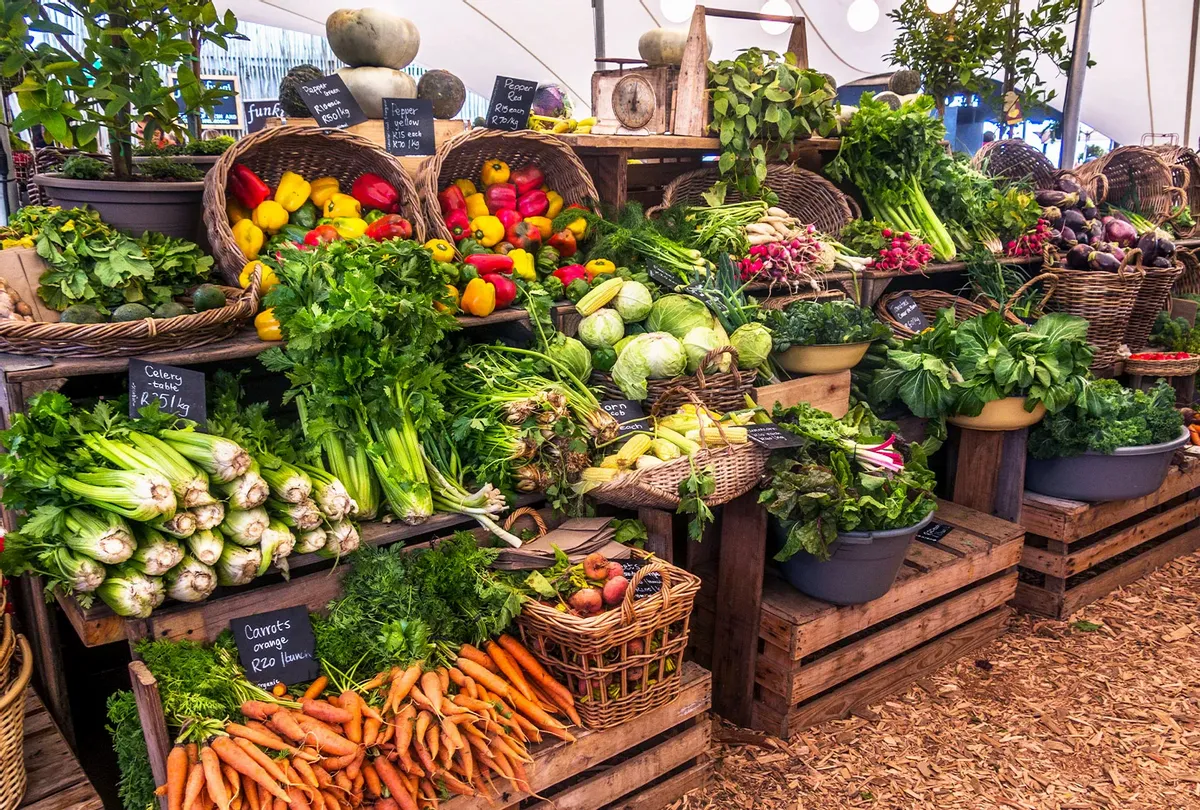
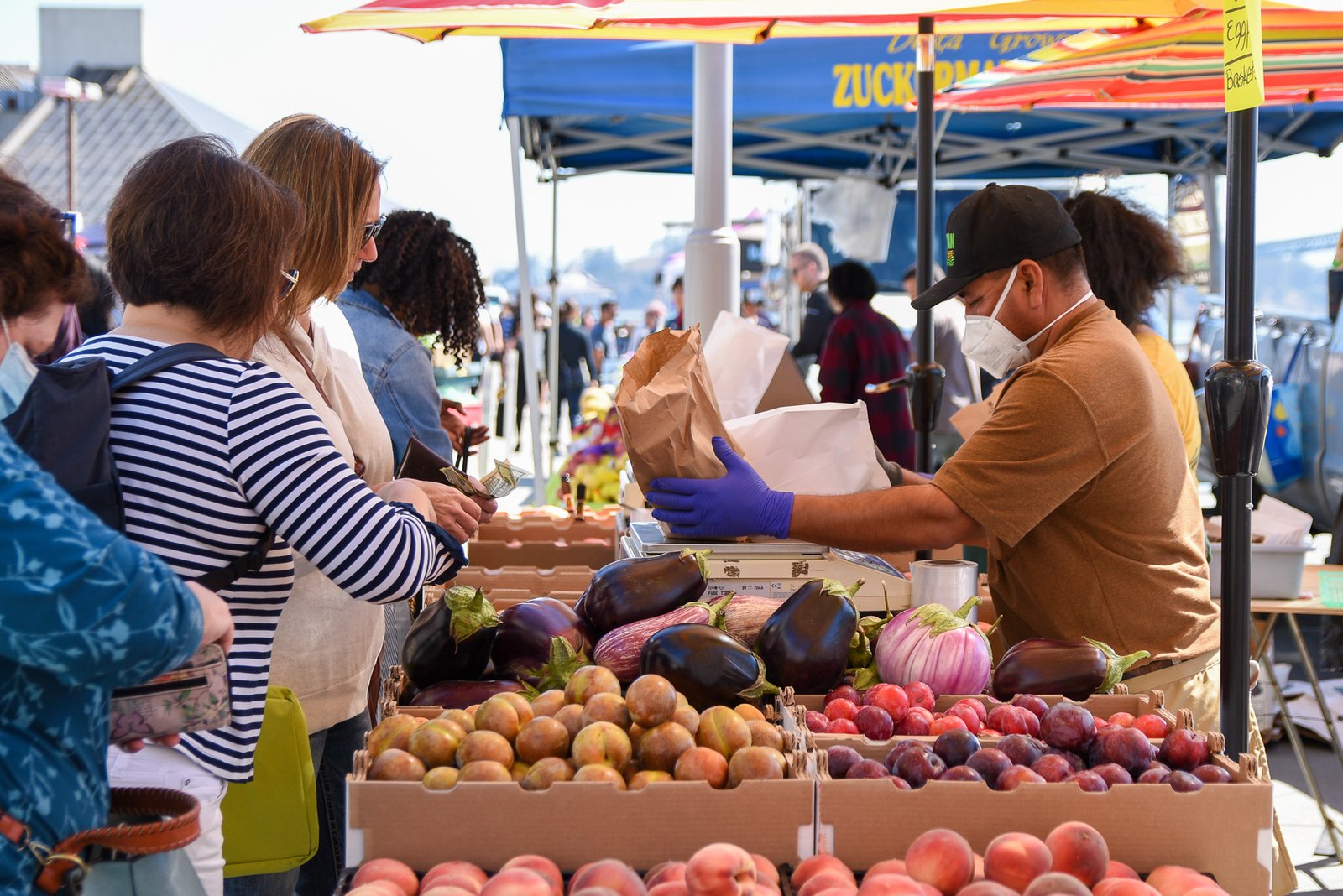
A self-guided tour of local markets offers an immersive experience into the vibrant world of farmer’s markets and bazaars. These bustling hubs of activity are rich with fresh produce, handmade goods, and cultural treasures that reflect the unique character of your city. This guide will help you navigate your market adventure, allowing you to explore and appreciate the diversity and community spirit of local markets.
Local Markets
Local Markets

Plan Your Market Route

Start by researching the farmer’s markets and bazaars in your area. Look for a variety of markets that offer different types of goods and experiences, from fresh produce and artisanal foods to crafts and antiques. Utilize local directories, online resources, and community recommendations to create a list of must-visit markets. Planning your route ensures you cover a diverse range of market experiences.

Begin with Popular Farmer’s Markets

Kick off your tour with a visit to popular farmer’s markets that are well-known for their fresh produce and local specialties. These markets often feature a wide array of fruits, vegetables, dairy products, and homemade treats. Take time to explore the stalls, sample the offerings, and chat with local farmers and producers.

Discover Artisan Markets

Next, delve into artisan markets that showcase handmade goods and crafts. These markets often feature unique items such as jewelry, pottery, textiles, and artwork created by local artisans. Discovering these handcrafted treasures allows you to appreciate the skill and creativity of local artists and find one-of-a-kind pieces.

Explore Cultural Bazaars

Venture into cultural bazaars that reflect the diverse heritage of your community. These markets often feature ethnic foods, traditional clothing, and cultural artifacts. Exploring cultural bazaars offers a rich sensory experience, allowing you to taste, see, and learn about different cultures and traditions.

Visit Specialty Markets

Include visits to specialty markets that focus on specific types of goods, such as flea markets, antique fairs, or food festivals. These markets provide a unique shopping experience and often feature rare or niche items. Exploring specialty markets adds variety to your tour and allows you to delve into specific interests.

Engage with Local Vendors

Take time to engage with local vendors and learn about their products and stories. Many vendors are passionate about their goods and are happy to share their knowledge and experiences. Engaging with vendors enhances your market experience and provides insight into the local economy and community.

Enjoy Market Delicacies

No market tour is complete without sampling the delicious food offerings available at many markets. Look for food stalls and vendors selling prepared meals, snacks, and beverages. Enjoying these market delicacies allows you to experience the flavors and culinary traditions of your city.

Document Your Market Journey

Document your market journey by taking photographs and notes of the stalls and items you find. Capture the vibrant colors of fresh produce, the intricate details of handmade crafts, and any interesting stories you hear from vendors. Keeping a visual and written record helps you remember the highlights of your tour and share your experiences with others.

Reflect on Community Spirit

After completing your tour, take time to reflect on the community spirit and cultural richness of the markets you visited. Consider how these markets contribute to the local economy, support small businesses, and foster a sense of community. Reflecting on these aspects helps you appreciate the importance of supporting and preserving local markets.

Conclusion

A self-guided tour of local markets offers an engaging and enriching exploration of your city’s vibrant market scene. By planning your route, visiting popular farmer’s markets, artisan markets, cultural bazaars, and specialty markets, you gain a deeper appreciation for the diversity and community spirit of these bustling hubs. Enjoy the journey through your city’s markets and let each visit reveal the flavors, creativity, and cultural treasures that make them special.

Wellness Tours
Wellness Tours: Find Relaxation Spots and Meditation Areas.

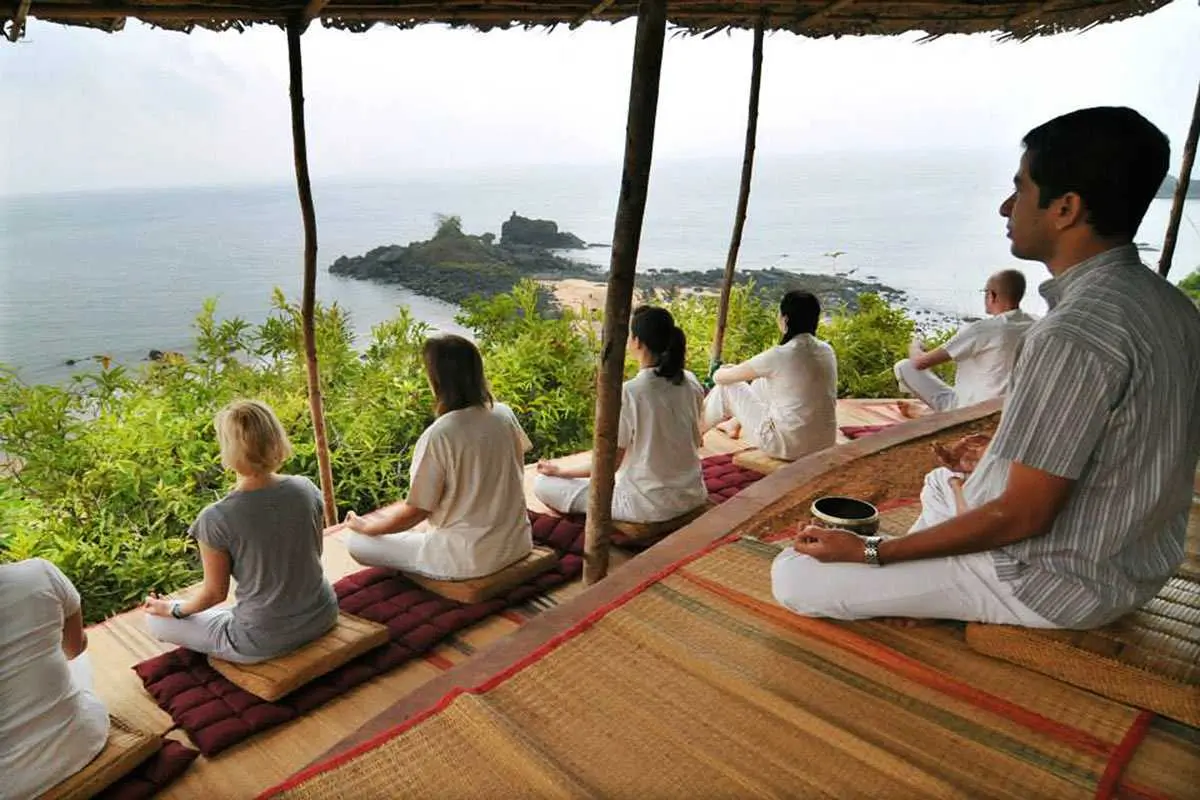
A wellness tour offers a serene escape from the hustle and bustle of daily life, focusing on relaxation and mindfulness. By curating your own self-guided wellness journey, you can discover tranquil spots and meditation areas that promote well-being and rejuvenation. Here’s how to design a wellness tour that helps you find the perfect places to relax and meditate.

1. Identify Your Wellness Goals

Determine what you want to achieve on your wellness tour:

  • Relaxation: Find spots that offer peace and tranquility, ideal for unwinding and stress relief.
  • Mindfulness and Meditation: Seek out areas conducive to meditation and mindfulness practices, such as quiet gardens or secluded retreats.
  • Physical Well-being: Incorporate locations that offer yoga classes, spa treatments, or nature trails for physical rejuvenation.

2. Research Tranquil Locations

Look for serene and relaxing places to include in your tour:

  • Parks and Gardens: Explore local parks, botanical gardens, and green spaces known for their calming environment.
  • Meditation Centers: Find meditation centers or spiritual retreats that offer guided sessions or tranquil spaces for personal meditation.
  • Wellness Retreats: Research wellness retreats or spas that provide relaxation services and holistic therapies.
  • Natural Retreats: Consider natural locations like lakes, mountains, or forests that offer a peaceful setting for relaxation and mindfulness.

3. Plan Your Wellness Route

Create an itinerary that includes a variety of relaxation and meditation spots:

Wellness Tours
Wellness Tours
  • Scenic Stops: Include natural settings with beautiful views and peaceful atmospheres. Plan stops at serene lakesides, quiet meadows, or scenic overlooks.
  • Wellness Facilities: Schedule visits to wellness facilities such as spas, yoga studios, or meditation centers for a complete wellness experience.
  • Rest and Recharge: Ensure your itinerary includes time for rest and leisure. Allow for unplanned breaks and spontaneous relaxation.

4. Prepare for Your Wellness Tour

Make sure you’re equipped for a relaxing and mindful journey:

  • Comfortable Clothing: Wear comfortable, breathable clothing suitable for relaxation and meditation activities.
  • Essential Gear: Bring essentials like a yoga mat, meditation cushion, journal, and any personal items you might need for relaxation.
  • Health and Safety: Ensure you have any necessary health and safety items, such as a first-aid kit, sun protection, and water.

5. Enhance Your Wellness Experience

Maximize the benefits of your wellness tour with these practices:

  • Mindful Exploration: Practice mindfulness during your visits. Take time to fully engage with your surroundings, focusing on the present moment.
  • Meditation Practice: Set aside time for meditation or deep breathing exercises at each location. Use quiet spots to reflect and center yourself.
  • Journaling: Keep a journal of your experiences, reflections, and any insights gained during your wellness tour.

6. Share Your Wellness Journey

Share your experience to inspire others and document your journey:

  • Social Media: Post updates, photos, and reflections from your wellness tour on social media platforms, using relevant hashtags to connect with wellness communities.
  • Blog or Vlog: Write a blog post or create a video blog detailing your wellness tour, including tips, locations, and personal insights.
  • Local Communities: Share your findings with local wellness communities or groups interested in relaxation and mindfulness.

7. Example Wellness Tours

Here are some ideas for wellness tours to inspire your journey:

  • Nature and Serenity Tour: Visit tranquil natural settings, such as serene lakes, peaceful forests, and scenic viewpoints, perfect for relaxation and meditation.
  • Urban Wellness Escape: Explore urban spaces known for their calming environments, such as rooftop gardens, quiet parks, and wellness centers.
  • Holistic Retreat Circuit: Discover wellness retreats and holistic centers that offer a range of relaxation therapies, including yoga, meditation, and spa treatments.

Conclusion

A self-guided wellness tour provides a wonderful opportunity to find relaxation spots and meditation areas that enhance your well-being. By selecting serene locations, planning a thoughtful itinerary, and preparing for a mindful journey, you can create a rejuvenating experience that promotes peace and relaxation. Embrace the tranquility of your wellness tour and enjoy a path to relaxation and mindfulness.

Essential Gear for Self-Guided Tours

Embarking on a self-guided tour offers a unique and personalized travel experience, allowing you to explore at your own pace. To ensure your adventure is both enjoyable and smooth, having the right gear is essential. Here’s a guide to the must-have items for a successful self-guided tour.

Essential Gear for Self-Guided Tours

Navigation Tools

Maps and Guidebooks

Start with physical or digital maps and guidebooks tailored to your destination. These resources help you navigate unfamiliar areas, find key landmarks, and uncover hidden gems. A comprehensive guidebook can provide insights into local history, culture, and must-see attractions. Digital apps like Google Maps or offline map applications are also invaluable for real-time navigation and route planning.

GPS Device or Smartphone

A GPS device or smartphone with reliable navigation apps is crucial for self-guided tours. These tools offer turn-by-turn directions, public transportation options, and real-time updates. Ensure your device is fully charged and consider carrying a portable charger to keep it powered throughout your journey.

Comfort and Safety Gear

Comfortable Footwear

Comfortable, supportive footwear is essential for exploring on foot. Choose shoes that are appropriate for the terrain and provide ample cushioning. Whether you’re strolling through city streets or hiking trails, proper footwear will keep your feet comfortable and reduce the risk of blisters or injuries.

Weather-Appropriate Clothing

Pack clothing suited to the weather conditions and activities you’ll encounter. Layering is a practical approach, allowing you to adjust your outfit based on temperature changes. Include items such as a lightweight rain jacket, hat, and sunglasses for sun protection. If your tour involves hiking or outdoor activities, durable and moisture-wicking fabrics are recommended.

First Aid Kit

A basic first aid kit can address minor injuries or health issues during your tour. Include items such as bandages, antiseptic wipes, pain relievers, and any personal medications. A compact and well-stocked first aid kit ensures you’re prepared for unexpected situations.

Essential Travel Accessories

Reusable Water Bottle

Stay hydrated by carrying a reusable water bottle. This eco-friendly accessory allows you to refill on the go and reduces single-use plastic waste. Many destinations have public water fountains or refill stations, making it easy to stay refreshed.

Travel Wallet or Organizer

A travel wallet or organizer helps keep your documents and essentials in order. Store your passport, tickets, credit cards, and cash in a secure and accessible location. This accessory also prevents loss or misplacement of important items.

Technology and Entertainment

Portable Charger

Keep your devices charged with a portable charger. This compact gadget ensures you have power for your phone, GPS, or camera throughout the day. Choose a charger with a high capacity and multiple ports to accommodate all your devices.

Camera or Smartphone

Capture your experiences with a camera or smartphone. If you prefer high-quality photos, consider a dedicated camera with interchangeable lenses. For convenience, a smartphone with a good camera can also suffice. Don’t forget to carry extra memory cards or storage options.

Food and Snacks

Non-Perishable Snacks

Pack non-perishable snacks for energy boosts during your tour. Items like nuts, dried fruit, granola bars, and crackers are easy to carry and provide a quick snack when you’re on the move. Having snacks on hand ensures you stay energized and satisfied between meals.

Travel-Friendly Utensils

Consider packing travel-friendly utensils such as a reusable cutlery set and a small container for food. These items are useful for enjoying meals on the go and reduce the need for disposable items.

Health and Hygiene Essentials

Hand Sanitizer and Wet Wipes

Maintain cleanliness by carrying hand sanitizer and wet wipes. These items are particularly useful when you don’t have access to soap and water. They help keep your hands clean and prevent the spread of germs.

Sunscreen and Insect Repellent

Protect your skin from sunburn and insect bites with sunscreen and insect repellent. Choose a broad-spectrum sunscreen with SPF 30 or higher and an insect repellent suitable for the local environment.

Conclusion

Equipping yourself with the essential gear for self-guided tours enhances your travel experience and ensures a smooth adventure. From navigation tools and comfort gear to safety items and technology, having the right equipment helps you stay prepared and enjoy your journey to the fullest. Plan ahead, pack wisely, and set out to explore with confidence and convenience.

Scenic Trails and Parks
Natural Wonders: A Self-Guided Tour of Scenic Trails and Parks

A self-guided tour of scenic trails and parks offers a refreshing escape into nature, allowing you to explore the natural beauty and tranquility of your city’s outdoor spaces. From lush forests and winding trails to serene lakes and open meadows, these natural wonders provide a perfect setting for relaxation, exercise, and adventure. This guide will help you navigate your journey through the best scenic trails and parks in your area, ensuring a fulfilling and rejuvenating experience.

Scenic Trails and Parks

Plan Your Nature Route

Start by researching the scenic trails and parks in your area. Look for a mix of different natural environments, such as forests, mountains, lakes, and meadows. Utilize local hiking guides, online resources, and community recommendations to create a list of must-visit locations. Planning your route ensures you cover a diverse range of natural landscapes and enjoy a comprehensive tour.

Begin with Popular Trails

Kick off your tour with a visit to popular trails that are well-known for their scenic beauty and accessibility. These trails often feature well-marked paths, beautiful views, and a variety of natural features. Take time to enjoy a leisurely hike, observe the flora and fauna, and appreciate the peaceful surroundings.

Explore Hidden Trails

Next, venture off the beaten path to explore hidden trails that may not be as widely known. These lesser-known paths often offer a more intimate and tranquil hiking experience. Discovering hidden trails allows you to connect with nature on a deeper level and enjoy the serenity of less crowded areas.

Discover Scenic Parks

Include visits to scenic parks that provide a variety of recreational opportunities and beautiful landscapes. These parks often feature walking paths, picnic areas, and open spaces where you can relax and enjoy the outdoors. Exploring parks allows you to experience the natural beauty of your city in a more leisurely and social setting.

Visit Natural Landmarks

Incorporate visits to natural landmarks within the trails and parks you explore. These can include waterfalls, rock formations, or panoramic viewpoints that offer breathtaking scenery. Learning about the geological and ecological significance of these landmarks adds depth to your appreciation of the natural world.

Engage in Outdoor Activities

Take advantage of the outdoor activities offered by many scenic trails and parks. Look for opportunities to engage in activities such as birdwatching, kayaking, or mountain biking. Participating in these activities adds an adventurous element to your nature tour and allows you to experience the outdoors in different ways.

Document Your Nature Journey

Document your nature journey by taking photographs and notes of the trails and parks you visit. Capture the beauty of the landscapes, the diversity of plant and animal life, and any memorable moments you experience. Keeping a visual and written record helps you remember the highlights of your tour and share your experiences with others.

Reflect on Natural Beauty

After completing your tour, take time to reflect on the natural beauty of the trails and parks you visited. Consider how these natural spaces contribute to your well-being and the overall health of the community. Reflecting on these aspects helps you appreciate the importance of preserving and protecting natural environments.

Conclusion

A self-guided tour of scenic trails and parks offers a refreshing and invigorating exploration of your city’s natural wonders. By planning your route, visiting popular and hidden trails, exploring scenic parks, and engaging in outdoor activities, you gain a deeper appreciation for the beauty and tranquility of nature. Enjoy the journey through your city’s natural landscapes and let each trail and park reveal the wonders of the great outdoors.

Cultural Festivals Tours
Cultural Festivals Tours: Plan Your Own Festival Route.

Planning your own cultural festivals tour is a fantastic way to immerse yourself in diverse traditions, vibrant celebrations, and unique local experiences. By curating a self-guided route, you can explore a range of festivals and events that showcase the rich cultural tapestry of different regions. Here’s how to design a memorable festival tour that highlights the best cultural experiences.

1. Research Upcoming Festivals

Start by identifying festivals and cultural events that pique your interest:

  • Local Event Calendars: Check local event listings, tourism websites, and cultural organization announcements for upcoming festivals.
  • Travel Guides and Blogs: Explore travel guides and blogs that feature popular cultural events and festivals around your region or country.
  • Social Media and Forums: Follow social media pages and forums related to cultural events to stay updated on festival dates and details.

2. Choose Your Festival Themes

Select themes or types of festivals that align with your interests:

  • Music and Performing Arts: Look for music festivals, theater performances, and dance events that showcase various artistic traditions.
  • Food and Drink: Explore food festivals, wine and beer tastings, and culinary events that celebrate local cuisine and beverages.
  • Historical and Traditional: Attend historical reenactments, traditional ceremonies, and cultural heritage festivals that offer insight into regional customs.
  • Arts and Crafts: Discover craft fairs, art festivals, and creative exhibitions featuring local artists and artisans.
Cultural Festivals Tours

3. Plan Your Festival Route

Design an itinerary that includes a variety of festivals:

  • Major Festivals: Include key festivals that are renowned or highly recommended. These might be large-scale events that attract visitors from around the world.
  • Local Celebrations: Add smaller, local festivals that offer a more intimate and authentic cultural experience. These can provide unique insights into regional traditions.
  • Travel Logistics: Plan your travel route to efficiently visit multiple festivals. Consider transportation options, distances between locations, and accommodation.

4. Prepare for Your Tour

Ensure you’re well-prepared for a successful festival tour:

  • Festival Schedules: Check the schedule and program details for each festival, including performance times, ticket information, and any special activities.
  • Packing Essentials: Pack appropriately for different types of festivals, including comfortable clothing, weather-appropriate gear, and any specific items needed for particular events.
  • Local Customs and Etiquette: Familiarize yourself with local customs and etiquette to ensure respectful and enjoyable interactions during your festival visits.

5. Enhance Your Festival Experience

Make the most of your festival tour with these tips:

  • Engage with Locals: Interact with festival-goers, performers, and local vendors to gain deeper insights into the cultural significance of the events.
  • Document Your Journey: Capture photos and videos of the festivals, performances, and activities. Keep a journal of your experiences and observations.
  • Try New Foods: Sample local cuisine and drinks offered at the festivals. Exploring food and drink is a key part of experiencing the culture.

6. Share Your Festival Tour

Share your festival journey with others:

  • Social Media: Post updates, photos, and highlights of your festival tour on social media platforms. Use relevant hashtags to connect with others interested in similar events.
  • Travel Blog: Write a blog post detailing your festival experiences, including tips, recommendations, and personal reflections.
  • Local Communities: Share your experiences with local cultural or travel communities to contribute to the collective knowledge of festival events.

7. Example Festival Routes

Here are a few ideas for cultural festival routes to inspire your planning:

  • European Festival Circuit: Explore major cultural festivals across Europe, including Oktoberfest in Germany, La Tomatina in Spain, and the Edinburgh Festival Fringe in Scotland.
  • Asian Cultural Extravaganza: Discover vibrant festivals in Asia, such as the Harbin Ice Festival in China, Diwali celebrations in India, and the Cherry Blossom Festival in Japan.
  • Local Discovery Route: Focus on regional festivals within your own country, exploring unique events that highlight local traditions and heritage.

Conclusion

Creating your own cultural festivals tour is a rewarding way to experience the rich traditions, celebrations, and artistic expressions of different regions. By researching festivals, planning a diverse route, and preparing for your journey, you can design a self-guided tour that showcases the best cultural experiences. Embrace the vibrant energy of festivals and enjoy a memorable adventure filled with cultural discovery.

Urban Exploration
Urban Exploration: Discover Hidden City Secrets.

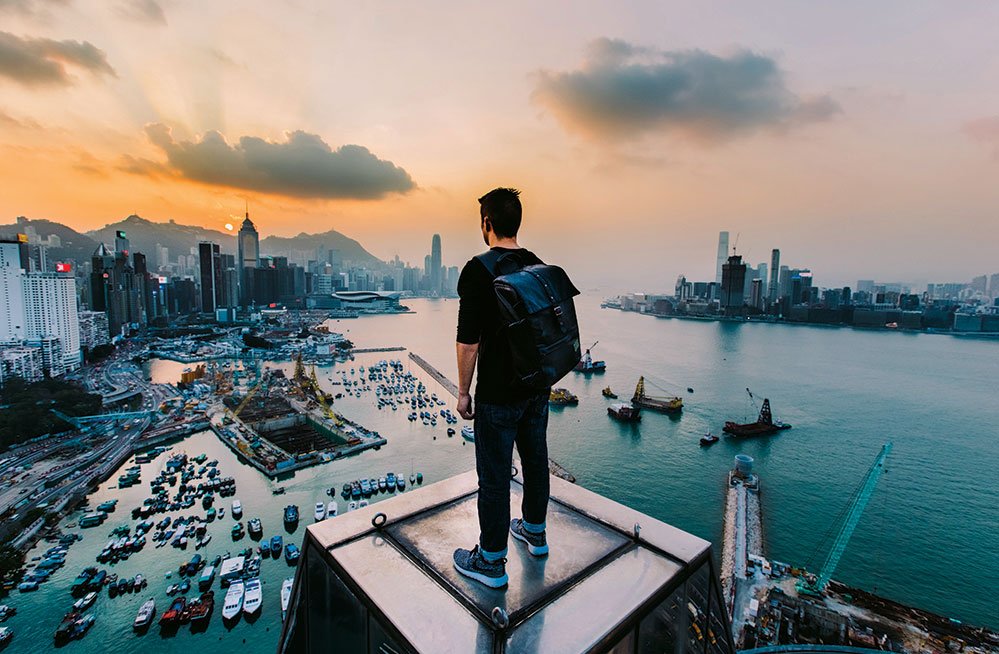
Urban exploration offers a thrilling way to discover the lesser-known aspects of your city, unveiling hidden gems and secrets that many overlook. By designing your own self-guided tour, you can delve into the unique corners of urban landscapes, from forgotten alleys to secret gardens. Here’s how to plan an urban exploration adventure and uncover the hidden secrets of your city.

1. Research Hidden Gems

Begin by identifying intriguing, off-the-beaten-path locations:

  • Local Guides and Blogs: Explore local travel blogs and guides that highlight lesser-known attractions and hidden spots in your city.
  • Historical Records: Look into historical documents or old maps that reveal forgotten places or lost landmarks.
  • Social Media: Follow local Instagram accounts, Facebook groups, or Reddit threads that feature unusual city spots and insider tips.

2. Map Out Your Route

Create a route that takes you to various hidden city secrets:

  • Key Locations: Identify must-see hidden spots, such as abandoned buildings, secret gardens, or lesser-known street art.
  • Themed Exploration: Consider focusing on a theme, such as hidden historical sites, quirky architectural features, or secret natural spots within the city.
  • Time and Distance: Plan a route that balances exploration with convenience, ensuring you have enough time to enjoy each location without feeling rushed.
Urban Exploration
Urban Exploration

3. Prepare for Exploration

Equip yourself for a successful urban adventure:

  • Comfortable Gear: Wear comfortable walking shoes and weather-appropriate clothing for your urban exploration.
  • Camera and Notebook: Bring a camera to capture intriguing scenes and a notebook to jot down observations or hidden gems you discover.
  • Safety and Permissions: Be mindful of safety, especially in abandoned or off-limits areas. Seek permissions where necessary and avoid trespassing on private property.

4. Discover and Document

Engage with your surroundings and document your findings:

  • Unique Perspectives: Look for unique angles and compositions to photograph hidden city features, such as unusual street art, architectural details, or secret courtyards.
  • Local Stories: Learn about the history and stories behind the hidden locations you visit. Speak with locals or research online to add context to your discoveries.
  • Interactive Elements: Create a scavenger hunt or challenge to make your exploration more engaging. For example, try to find hidden symbols or landmarks based on clues.

5. Share Your Findings

Share your urban exploration adventure with others:

  • Blog or Social Media: Write about your discoveries and share photos on a blog or social media platforms. Include tips, maps, and insights for others interested in exploring similar hidden spots.
  • Local Communities: Engage with local communities or groups interested in urban exploration. Share your findings and contribute to collective knowledge about hidden city secrets.
  • Photo Exhibitions: Consider organizing a photo exhibition or presentation showcasing the hidden gems you discovered, celebrating the unique aspects of your city.

6. Example Urban Exploration Routes

Here are a few urban exploration themes to inspire your adventure:

  • Forgotten Landmarks Tour: Explore abandoned buildings, old factories, or historic sites that are no longer in use but hold fascinating stories.
  • Secret Gardens and Green Spaces: Discover hidden parks, community gardens, and green spaces tucked away in the urban landscape.
  • Street Art and Murals Trail: Hunt for vibrant street art, murals, and graffiti in lesser-known neighborhoods, capturing the city’s artistic side.

Conclusion

Urban exploration is a rewarding way to uncover the hidden secrets of your city, revealing its unique charm and lesser-known treasures. By researching intriguing locations, mapping out your route, and preparing for an adventure, you can create a memorable self-guided tour that showcases the hidden facets of your urban environment. Embrace the thrill of discovery and enjoy exploring the off-the-beaten-path wonders of your city.

Planning Your Self-Guided Tours

Embarking on a self-guided tours offers the freedom to explore at your own pace, dive deep into local culture, and uncover hidden gems. To make the most of your self-guided tour, thorough planning is key. Here’s a guide to help you prepare and enjoy a seamless adventure.

Planning Your Self-Guided Tours

Choosing Your Destination and Theme

Selecting the Right Destination

Start by choosing a destination that excites you. Whether it’s a bustling city, historic town, or scenic countryside, your choice will set the tone for your self-guided tour. Research potential locations to understand their key attractions, cultural significance, and the types of experiences they offer. Consider destinations with diverse offerings, such as landmarks, museums, parks, and unique neighborhoods, to ensure a well-rounded experience.

Defining Your Tour Theme

Decide on a theme for your self-guided tour. Themes can range from historical landmarks and street art to culinary adventures or nature exploration. A clear theme helps focus your itinerary and ensures you explore aspects of the destination that interest you the most. For example, if you choose a food-themed tour, research local dining spots, markets, and culinary traditions.

Planning Your Itinerary

Researching Key Attractions and Hidden Gems

Compile a list of must-see attractions and off-the-beaten-path spots. Use travel guides, local blogs, and recommendations from previous travelers to create a balanced itinerary. Make sure to include both well-known landmarks and hidden gems to get a comprehensive view of your destination. For example, if you’re exploring a city known for its street art, identify famous murals and lesser-known areas to discover unique works of art.

Mapping Your Route

Create a practical route to navigate your chosen destinations. Use mapping tools to plot your itinerary, taking into account the distance between locations and transportation options. Optimize your route to minimize travel time and maximize your exploration. For cities with extensive public transportation systems, plan routes using buses, trams, or subways to efficiently reach different parts of the city.

Preparing for Your Tour

Gathering Essential Resources

Equip yourself with essential resources for a successful self-guided tour. This includes a detailed map, guidebooks, or digital resources such as travel apps and navigation tools. Ensure you have access to local transportation information and emergency contacts. If your destination has specific entry requirements or regulations, such as museum hours or local guidelines, gather this information beforehand.

Packing Smart

Pack appropriately for your self-guided tour, considering the climate, terrain, and activities you plan to engage in. Comfortable walking shoes, weather-appropriate clothing, and a reusable water bottle are essentials for any tour. If you plan to take photos or notes, bring a camera or a smartphone with sufficient storage and battery life.

Navigating Your Self-Guided Tour

Flexibility and Adaptability

While having a plan is crucial, flexibility is equally important. Be prepared to adjust your itinerary based on weather conditions, local events, or unexpected discoveries. Allow some free time in your schedule to explore spontaneously and enjoy serendipitous experiences.

Engaging with Locals and Local Culture

Interact with locals to enhance your tour experience. Engage in conversations, ask for recommendations, and learn about local customs and traditions. Visiting local markets, cafes, and community events can provide authentic insights into the destination’s culture and enrich your self-guided tour.

Documenting and Reflecting on Your Experience

Keeping a Travel Journal

Document your experiences and reflections in a travel journal. Note interesting observations, favorite spots, and personal anecdotes. This not only helps preserve memories but also provides valuable insights for future travelers who may seek similar experiences.

Sharing Your Adventure

Consider sharing your self-guided tour experiences through blogs, social media, or travel forums. Sharing your insights and discoveries can inspire others and contribute to the broader travel community. Your recommendations and tips can help fellow travelers plan their own memorable self-guided tours.

Conclusion

Planning a self-guided tour involves thoughtful preparation and a spirit of adventure. By selecting the right destination, defining a clear theme, and mapping out your itinerary, you set the stage for a rewarding and flexible exploration. Equip yourself with essential resources, stay adaptable, and immerse yourself in local culture to make the most of your self-guided tour. Enjoy the freedom to discover, explore, and create unforgettable memories on your journey.

Iconic Buildings
Architectural Marvels: A Self-Guided Tour of Iconic Buildings

A self-guided tour of iconic buildings offers a fascinating journey through the architectural wonders of your city. From historic landmarks to modern skyscrapers, these structures tell stories of innovation, culture, and history. This guide will help you navigate your architectural adventure, allowing you to appreciate the unique designs and significance of the buildings that define your city’s skyline.

 Iconic Buildings
Iconic Buildings

Plan Your Architectural Route

Start by researching the most iconic buildings in your area. Look for a mix of different architectural styles, historical significance, and modern innovation. Utilize architectural guides, online resources, and community recommendations to create a list of must-visit locations. Planning your route ensures you cover a diverse range of architectural marvels and enjoy a comprehensive tour.

Begin with Historical Landmarks

Kick off your tour with a visit to historical landmarks that have stood the test of time. These buildings often represent significant periods in your city’s history and feature classic architectural styles. Take time to learn about the history and stories behind each landmark, appreciating the craftsmanship and design that have preserved them over the years.

Explore Modern Skyscrapers

Next, delve into the world of modern skyscrapers that define your city’s skyline. These towering structures showcase contemporary architectural innovation and engineering prowess. Observing the sleek designs and unique features of skyscrapers offers insight into modern trends and the evolution of urban architecture.

Discover Cultural Buildings

Venture into cultural buildings that hold significance for the local community, such as theaters, museums, and libraries. These structures often feature distinctive architectural elements that reflect their cultural purpose and artistic value. Exploring cultural buildings enriches your understanding of how architecture can influence and enhance cultural experiences.

Visit Government and Civic Buildings

Include visits to government and civic buildings that play crucial roles in your city’s administration and public life. These buildings often feature grand designs and symbolic elements that represent civic pride and governance. Learning about the architectural significance of these structures adds depth to your appreciation of their role in society.

Admire Religious Architecture

No architectural tour is complete without admiring the beauty of religious buildings, such as churches, temples, and mosques. These structures often feature intricate designs, beautiful stained glass, and elaborate ornamentation. Reflecting on the spiritual and cultural importance of religious architecture enhances your connection to the community’s heritage.

Engage with Public Art and Installations

As you explore, take time to engage with public art and installations that complement the architectural landscape. Sculptures, murals, and other artistic elements often enhance the aesthetic appeal of buildings and public spaces. Observing these works of art adds another layer of creativity and expression to your architectural tour.

Document Your Architectural Journey

Document your architectural journey by taking photographs and notes of the buildings you visit. Capture the details of architectural elements, the grandeur of the structures, and any interesting information you learn. Keeping a visual and written record helps you remember the highlights of your tour and share your experiences with others.

Reflect on Architectural Significance

After completing your tour, take time to reflect on the architectural significance of the buildings you visited. Consider how these structures contribute to the identity and character of your city. Reflecting on these aspects helps you appreciate the role of architecture in shaping urban environments and cultural landscapes.

Conclusion

A self-guided tour of iconic buildings offers a captivating and educational exploration of your city’s architectural heritage. By planning your route, visiting historical landmarks, modern skyscrapers, cultural buildings, and engaging with public art, you gain a deeper appreciation for the diverse architectural styles and their significance. Enjoy the journey through your city’s architectural marvels and let each building reveal its unique story and design.

A Historical Fact You Can Learn on Self-Guided Tours
Amazing Historical Facts You Can Learn on Self-Guided Tours

Exploring historical sites through self-guided tours is a fascinating way to uncover hidden stories and enrich your knowledge of the past. In this article, we’ll give you historical facts you can learn on self-guided tours.

1. Pompeii, Italy: Frozen in Time

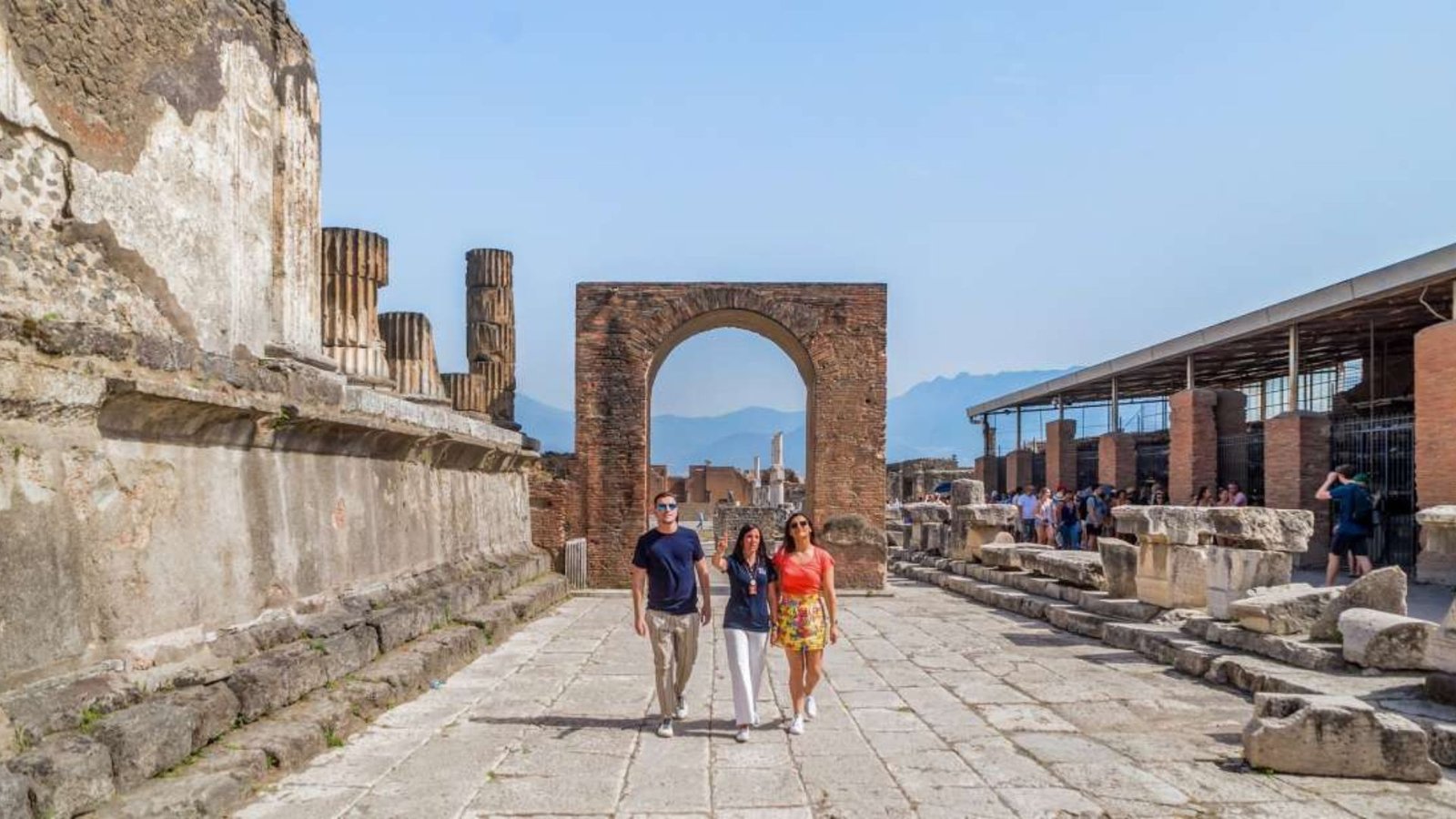
Pompeii is one of the historical facts you can learn on self-guided tours. Walking through the ancient city of Pompeii offers a glimpse into daily life during Roman times. Learn how the eruption of Mount Vesuvius in 79 AD preserved buildings, artwork, and even human remains, providing unparalleled insights into Roman civilization.

A Historical Fact You Can Learn on Self-Guided Tours
Historical Facts You Can Learn on Self-Guided Tours

2. Independence Hall, Philadelphia: Birthplace of a Nation

Step into the room where the Declaration of Independence and the U.S. Discover how the founding fathers shaped the principles of democracy that continue to influence nations worldwide.

3. The Great Wall of China: A Monument to History

Explore sections of the Great Wall to understand its strategic importance and the labour-intensive methods used to build this iconic structure over centuries. Learn about its role in protecting China from invaders and its cultural significance today.

4. Auschwitz-Birkenau, Poland: Remembrance and Reflection

Visit this former Nazi concentration and extermination camp to honour the memory of Holocaust victims. Learn about the atrocities committed during World War II and the importance of preserving such sites as reminders of the consequences of intolerance.

5. Machu Picchu, Peru: Inca Engineering Marvel

Discover the architectural ingenuity of the Incas as you explore the mystical ruins of Machu Picchu.

6. Acropolis of Athens, Greece: Cradle of Western Civilization

Stand in awe of the Parthenon and other ancient structures that symbolize the birthplace of democracy and Western philosophy. Learn about the gods and goddesses of Greek mythology and their influence on art, literature, and politics.

7. Alhambra, Spain: Moorish Masterpiece

Explore the ornate palaces, gardens, and fortifications of the Alhambra to understand the legacy of Moorish culture in Spain. Learn about Islamic art and architecture during the Nasrid dynasty and its impact on European aesthetics.

8. Hiroshima Peace Memorial, Japan: Lessons from History

Reflect on the devastating impact of nuclear warfare by visiting the Hiroshima Peace Memorial Park and Museum. Learn about the events of August 6, 1945, and the city’s resilience in promoting peace and nuclear disarmament.

9. The Colosseum, Rome: Gladiatorial Spectacles

Immerse yourself in the grandeur of ancient Roman entertainment at the Colosseum. Learn about the gladiators who fought for glory and the engineering marvels that made this amphitheatre a symbol of imperial power.

10. Angkor Wat, Cambodia: Temple City of the Khmer Empire

Explore the vast complex of Angkor Wat to uncover the religious and architectural achievements of the Khmer Empire. Learn about Hindu and Buddhist influences and the significance of this UNESCO World Heritage site.

11. Ellis Island, New York: Gateway to America

Trace the footsteps of millions of immigrants who arrived in the United States through Ellis Island. Learn about their journeys, struggles, and contributions to shaping American culture and society in the late 19th and early 20th centuries.

12. Petra, Jordan: Rose City of the Desert

Marvel at the rock-cut architecture and water management systems of Petra, an ancient Nabatean city. Learn about its role as a key trading hub and its integration of Hellenistic, Egyptian, and Roman architectural styles.

13. Edinburgh Castle, Scotland: Fortress of History

Perched atop Castle Rock, Edinburgh Castle offers panoramic views of the city and insights into Scotland’s turbulent past. Learn about its royal residents, military significance, and the Stone of Destiny, used in coronations.

14. The Kremlin, Moscow: Heart of Russian Power

Delve into Russian history and politics at the Kremlin, a fortified complex overlooking Moscow. Learn about its role as the seat of power for tsars, Soviet leaders, and modern-day presidents, and its architectural treasures.

15. Taj Mahal, India: Monument of Love

Discover the story behind the Taj Mahal, a UNESCO World Heritage site and a symbol of eternal love. Learn about Emperor Shah Jahan’s tribute to his wife Mumtaz Mahal and the architectural brilliance of this marble mausoleum.

Conclusion

Self-guided tours offer an immersive way to delve into history, from ancient civilizations to more recent events that have shaped our world. By exploring these sites independently, you can uncover fascinating historical facts and gain a deeper appreciation for the cultures and legacies they represent.

Photographer’s Self-Guided Tours
Photographer’s Self-Guided Tours: Find the Perfect Shots.

For photographers looking to capture stunning shots while exploring new places, self-guided tours offer the flexibility and freedom to create a personalized photo journey. By curating your own photography tour, you can discover scenic spots, hidden gems, and unique perspectives that make for extraordinary photographs. Here’s how to design a self-guided tour that helps you find the perfect shots.

1. Choose Your Photography Focus

Determine the type of photography you want to focus on:

  • Landscape Photography: Focus on capturing natural landscapes, including mountains, lakes, and forests.
  • Urban Photography: Explore cityscapes, architectural details, and street scenes.
  • Nature and Wildlife Photography: Seek out parks, nature reserves, and wildlife habitats.
  • Historical and Cultural Photography: Document historical landmarks, cultural events, and traditional settings.

2. Research Scenic Locations

Identify the best locations for your photography focus:

  • Landmark Guides: Use photography guides or online resources to find notable landmarks and scenic viewpoints.
  • Local Photography Forums: Check out local photography forums and social media groups for recommendations on hidden gems and popular spots.
  • Google Maps and Street View: Explore potential locations on Google Maps and Street View to scout out the best angles and compositions.

3. Plan Your Itinerary

Create an itinerary that covers your chosen locations:

Photographer’s Self-Guided Tours
  • Key Spots: List must-visit locations that align with your photography focus. For example, include iconic viewpoints or famous landmarks.
  • Golden Hours: Schedule your visits around the golden hours (early morning and late afternoon) for the best natural light.
  • Breaks and Flexibility: Allow time for breaks and spontaneous stops. Photography often requires patience and flexibility.

4. Prepare Your Gear

Ensure you have the right equipment for your photo tour:

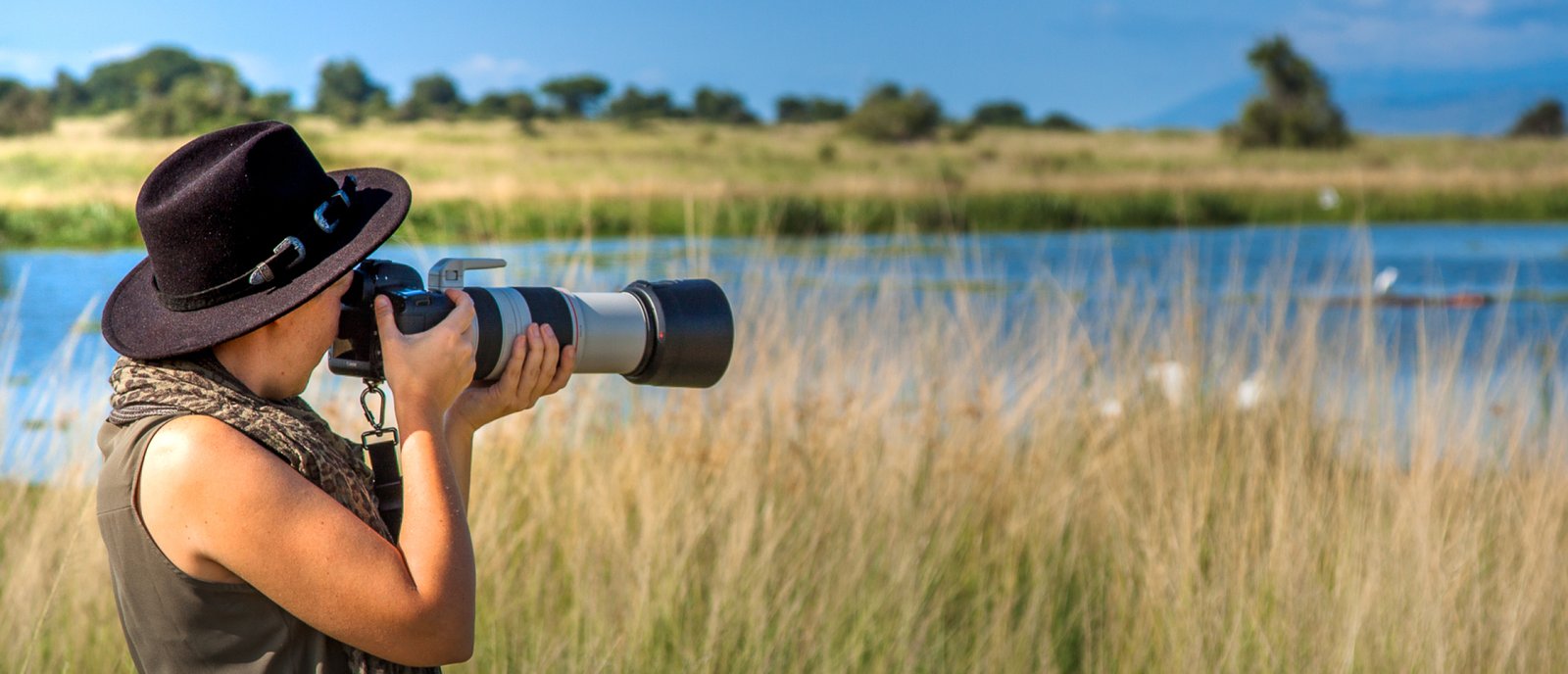
  • Camera and Lenses: Pack your camera, lenses, and any other essential gear. Consider a wide-angle lens for landscapes and a zoom lens for wildlife.
  • Tripod and Filters: Bring a tripod for stability and filters to manage light and reflections.
  • Backup Batteries and Storage: Carry extra batteries and memory cards to ensure you don’t miss any shots.

5. Capture Unique Perspectives

Look for unique angles and compositions to enhance your photography:

  • Leading Lines and Frames: Use leading lines, natural frames, and interesting compositions to create compelling images.
  • Different Times of Day: Capture the same location at different times of day to explore varying light conditions and moods.
  • Local Insights: Ask locals for advice on lesser-known spots or unique perspectives that might not be in guidebooks.

6. Post-Processing Tips

Enhance your photos with post-processing techniques:

  • Editing Software: Use software like Adobe Lightroom or Photoshop to adjust exposure, contrast, and color balance.
  • Organize and Categorize: Organize your photos into categories or projects for easier access and sharing.
  • Share and Showcase: Share your best shots on photography websites, social media, or local exhibitions.

7. Example Photographer’s Tours

Here are some tailored tour ideas to inspire your photography journey:

  • Urban Exploration Tour: Explore the architectural marvels, street art, and bustling city life of a major city. Visit iconic buildings, hidden alleyways, and vibrant markets.
  • Nature and Wildlife Expedition: Visit national parks and nature reserves, capturing the beauty of landscapes, wildlife, and natural phenomena.
  • Historic Landmarks Trail: Document historic sites and cultural landmarks, focusing on architectural details, statues, and historical artifacts.

Conclusion

A self-guided photography tour allows you to explore and capture stunning images at your own pace. By selecting the right locations, planning your itinerary, and preparing your gear, you can create a personalized photo journey that showcases the beauty and uniqueness of your chosen subjects. Embrace the adventure of discovering new perspectives and capturing the perfect shots with a tour tailored just for you.

Start Your Adventure With Walk The Town

Walk the Town is your friendly guide to discovering your city on foot. We help you explore places nearby, enjoy quiet streets, and find fun spots close to home. Walking helps you relax, stay fit, and feel happy. So, instead of driving past everything, come walk with us and truly see what your town has to offer. We bring you fresh ideas for walks, easy self-tours, and fun local trips. Every journey is a chance to learn, breathe, and smile. Walk the Town shows you how to enjoy your area in a whole new way.

The Story Behind Walk The Town

We are a team of local explorers, city lovers, and everyday walkers. We created Walk the Town to help people enjoy walking again. We come from different places and backgrounds, but we all love one thing—walking with purpose. Our team walks every route we recommend. We take pictures. We note landmarks. We check paths for safety. We believe that walking helps people connect with their towns, with each other, and with themselves. So we share ideas to help others enjoy walking as much as we do.

Discover Local Trips

Local trips are short adventures right in your town. You don't need to pack bags or book flights. You just need comfy shoes, a little time, and the wish to explore. These trips are perfect for weekends or days off. They are also great for after work or school. Walk the Town helps you plan local trips with ease. We tell you where to go, how to get there, and what to see. You will visit parks, shops, markets, and special spots you never noticed before. Each trip brings joy and teaches you something new. You meet new people, taste new food, and feel closer to your town.

What Makes Local Trips Special?

Local trips are easy to do. You don't need much money. You stay close to home. But you still get the fun of travel. That's exciting. Every trip is different. You can walk through a quiet garden one day. Then visit a busy market next. Sometimes, you find art on walls. Other times, you hear music in the streets. These little moments make life better. Walk the Town gives you many trip ideas. We update them often, so you always have something fun to do

Explore Your Neighbourhood

Your neighbourhood has so many hidden treasures. Maybe you walk the same street every day. Every corner has a story. Every building holds memories. Walk the Town helps you see your neighbourhood with fresh eyes. We show you where the oldest tree stands. We point out that small café with the best muffins. We guide you to spots where kids play and where birds sing.

Why Neighbourhood Walks Matter

Taking a walk around your neighbourhood might seem like a small thing, but it can have a big impact on your well-being. At Walk the Town, we believe that simple walks can create joyful memories and improve your daily life in many ways.

Discovering the Beauty Around You

When you walk through your neighbourhood, you begin to notice things you've never paid attention to before. You might spot flowers growing through fences, birds singing in trees, or a new mural on a nearby wall. You wave at neighbours, smile at passersby, and feel more connected to the place you live. These small moments help you feel grounded and lift your mood.

Supporting Mental and Emotional Health

Walking is not just good for your body—it also helps your mind. As you move, your thoughts start to clear. Worries feel lighter, and your mind becomes calmer. Many people find that a short walk helps them think more clearly, solve problems, or simply feel more peaceful.

Improving Physical Fitness

Regular walking strengthens your body without needing a gym or equipment. It improves your heart health, supports your joints, and boosts energy levels. It's a gentle but powerful way to stay active, especially for people of all ages.

Creating Moments That Matter

At Walk the Town, we don't just encourage walking—we make it meaningful. We help you find the best routes, scenic spots, and quiet corners in your neighbourhood. Whether you're walking alone, with a friend, or with family, each walk becomes a chance to connect with your surroundings, your community, and yourself. This kind of connection is different from the online entertainment some prefer, such as playing roulette online.

Plan Your Self-Tours

Self-tours are fun and easy. You choose when to start, where to go, and how long to stay. You can walk alone or with friends. You don't need a guide. Walk the Town gives you clear routes with simple steps. We also tell you fun facts about the places you visit. Self-tours are perfect for people who like to explore freely. You can stop for coffee, take photos, or sit on a bench and enjoy the view. Every self-tour is your little adventure.

Explore New Paths with Modern Entertainment

Just as walking tours offer fresh perspectives on familiar places, digital leisure continues to evolve in surprising ways. For those looking to unwind after a long day of exploration, the best aussie online casino provides an engaging experience right from home. It’s a seamless way to relax and enjoy a bit of fun between adventures. Blending entertainment and convenience, it fits perfectly into a modern lifestyle.

Benefits of Self-Tours

Self-tours offer a flexible, enjoyable way to explore your surroundings. At Walk the Town, we make it easy for anyone to turn an ordinary walk into an adventure.

Explore at Your Own Pace

One of the biggest advantages of self-tours is freedom. There's no schedule to follow and no crowd to keep up with. You choose when to start, how long to stay, and where to go next. Want a stroll in the evening? It's completely up to you. You can stop for a coffee, take photos, or just enjoy a quiet moment, without feeling rushed.

Easy to Follow and Simple to Start

You don't need to be an expert to enjoy a self-tour. At Walk the Town, we provide simple maps and easy-to-read guides that help you get started. Whether you're a local or just visiting, our tools help you explore confidently.

Discover Local Stories and Hidden Gems

Self-tours give you a chance to see things you might otherwise miss. You could find murals tucked down an alley, read about a historic landmark, or pass by a charming building you've never noticed. Walking while learning makes each step more meaningful—and more memorable. For those who prefer indoor discovery, some find entertainment playing online video poker.

Great for Everyone, Anytime

Self-tours are for all ages and interests. Whether you're walking with family, going solo, or meeting up with friends, the experience is always yours to shape. Since it's free and open to everyone, you don't need a big budget to enjoy it. You just need the desire to explore.

Enjoy Simple Walks Every Day

Sometimes, the best moments come from simple walks. You don't need a plan. You just step outside and start walking. Maybe you take a new street. You breathe in the fresh air. You watch the clouds. You feel alive. Walk the Town encourages you to walk more every day. We suggest places where walking is easy and peaceful.

Why Walks Are So Important

Walking is one of the simplest and most powerful ways to take care of your mind and body. It doesn't require special gear or training—just a pair of shoes and a bit of time. Whether you're walking through a busy street or a quiet park, the benefits of walking reach far beyond just getting from one place to another.

Clear Your Mind and Reduce Stress

One of the first things you'll notice on a walk is how your mind starts to relax. Walking helps reduce stress by giving you a break from screens, noise, and daily pressure. As your feet move, your thoughts become clearer. You may find answers to problems or simply feel more at peace. A walk gives your brain the space it needs to slow down and reset. For those seeking different kinds of online resources, sites like casino sophus offer information on various entertainment options.

Boost Energy and Mood

A short walk gets your blood flowing and wakes up your muscles. If you feel tired or low, a brisk walk can lift your mood and help you feel more alive. Walking outside, especially in nature or fresh air, makes the effect even stronger.

A Healthy Habit for All Ages

Walking is for everyone—kids, adults, and seniors alike. It's a low-impact activity that's gentle on your body but still helps you stay active and strong. You can walk fast or slow, for five minutes or an hour. It's perfect for beginners, yet still valuable for people who are already active.

Simple and Flexible

You don't need fancy clothes, a gym membership, or a strict routine. Walking fits into your day whenever you have time. You can walk alone to enjoy quiet thinking time, or bring a friend to catch up and share conversation. You can even use walks as a way to explore new places, enjoy nature, or unwind after work. This kind of flexibility is different from structured online games like online baccarat.

Tips for Great Walks

A simple walk can become a refreshing and joyful experience when you prepare well. Whether you're taking a stroll around the block or exploring a new trail, a few small habits can make a big difference. At Walk the Town, we want every step you take to feel safe, comfortable, and enjoyable.

Start with the Right Gear

Before heading out, make sure you're dressed for the walk. Wear comfortable, supportive shoes that won't hurt your feet after a few minutes. Dress for the weather—light clothes for hot days, and layers for chilly mornings. If it looks cloudy, bring a light rain jacket or umbrella just in case.

Stay Hydrated and Take Breaks

Bring a bottle of water, especially if you're walking longer distances or in warm weather. Take short breaks when you need to. Sit on a bench, stretch a little, or just pause to look around. Listening to your body keeps your walk enjoyable and prevents discomfort later.

Make the Most of the Moment

Walking isn't just about moving—it's also about noticing. Look around as you go. Take photos of anything that catches your eye, like blooming flowers, street art, or a cozy café you didn't know existed. Say hello to neighbours or other walkers. These small moments make each walk special and memorable.

Check Out More Helpful Tips

We share even more walking tips, route ideas, and inspiration on our blog at Walk the Town. Before your next outing, explore our latest posts to help you plan, stay safe, and get the most from your walks. While we provide walking tips, other platforms cater to different interests, such as a https://www.acepokies.com/high-roller-casinos/ for those interested in online gaming.

Special Routes to Try

We have many walking routes for you. Some are short and sweet. Others are longer and full of stops. You can find routes in nature, in the city, or along rivers. Each one is special. Here are some examples: Try the “Morning Peace” route - it's a quiet walk through parks and green spaces. Or take the “Art Wall” path - full of street art and local murals. How about the “Food Trail”? Walk from one food spot to another and taste something at each place. Walk the Town keeps adding new routes for every taste.

Meet Others Along the Way

Walking is also a way to meet people. You can join a walking group. Or you can just say hi to people you pass. That simple hello can make someone smile. Walk the Town helps you find walking clubs and events near you. We also show you safe places to walk at any time. Walking together is fun. You share stories. You learn from each other. You make new friends. And you build a strong, happy community. For those seeking to explore different kinds of online entertainment in New Zealand, you can Click here to find out more.

Keep the Adventure Going

Every walk is the start of something new. Maybe today you will find a new coffee shop. Tomorrow, you will find a book market. Next week, you will see a street show. These little surprises make life more colorful. We believe that walking brings joy, health, and peace. It's simple, yet so powerful. So keep going. While we focus on physical exploration, those interested in different online experiences can find information on platforms like a French online casino.

Join the Walk the Town Community

You are not alone. Many people love walking just like you. Follow Walk the Town on social media. Share your photos. Tell us your favorite paths. Get new ideas from others. Read stories from walkers in your area. Walking connects us. It makes us stronger together. Join our newsletter for updates, tips, and walking events. Together, we can walk more and live better.

The Future of Walk the Town

At Walk the Town, we don't just think about today. We are always planning for tomorrow. We believe walking is powerful. It makes people healthier. It brings families closer. It connects communities. So, our dream is to help more people enjoy walking every day, everywhere. Our future is big and full of hope. We want to grow with you, with your family, and with your city. Together, we can make walking a joyful part of more lives. For those in New Zealand who enjoy different online activities, sites like kiwi casinos online blackjack provide other entertainment options.

Let's Start Today

Don't wait for tomorrow or next week. The best time to start walking is right now. Walking is easy, free, and good for your body and mind. You don't need special skills or equipment. Just put on your shoes, step outside, and begin.

Find Your Perfect Route

Visit our Walking Ideas page to explore many routes near you. Whether you want a quick 15-minute stroll or a longer adventure, we have paths for every mood and pace. From peaceful park trails to lively city sidewalks, you will find something that fits your day perfectly.

Walk Alone or With Friends

You can walk alone to enjoy peace. Walking alone helps clear your mind, reduces stress, and gives you time to think. Or, invite a friend or family member. Walking together is fun and helps build stronger bonds. It is a great way to catch up, laugh, and share stories.

Walking Is for Everyone

Children, adults, and seniors can all enjoy the benefits of walking. You can walk with a stroller, a dog, or even your bicycle if you want a change of pace. Walking is flexible. You choose your speed and distance.

Health Benefits You Can Feel

Walking helps your heart stay strong. It improves your mood and energy. You will sleep better and feel less tired during the day. Walking outside gives you fresh air and sunshine, which are great for your body and mind.

Walk the Town Is Here to Help

We want to make your walking journey simple and fun. Our site gives you:

  • Detailed route maps
  • Tips for safe walking
  • Ideas for themed walks, like nature spotting or history tours
  • Information on local walking groups you can join
  • Advice on what to wear and what to bring We are your walking companion, ready to support you every step of the way.

Start Small, Grow Big

You don't have to walk for hours. Start with just 5 or 10 minutes. Soon, you will notice how good it feels. Your walks can grow longer and more exciting. Before you know it, walking will become a regular part of your life, bringing joy and health daily.

Share Your Journey

We invite you to share your walking stories with us. Post your photos, favorite routes, or walking tips on our website or social media. Your story can inspire others to start walking too. Together, we create a community of walkers who encourage and support each other.

Conclusion

Walk the Town is your friendly walking partner. We help you enjoy local trips, explore your neighbourhood, plan self-tours, and take simple walks. Every step brings joy, health, and discovery. With our tips, routes, and ideas, you will see your town in a whole new light. So grab your shoes and join us. Let's walk the town—one step at a time.