Search for:
Iconic Buildings
Architectural Marvels: A Self-Guided Tour of Iconic Buildings

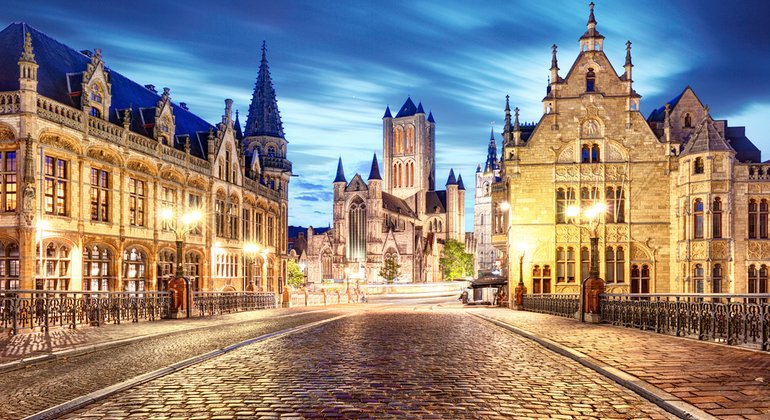
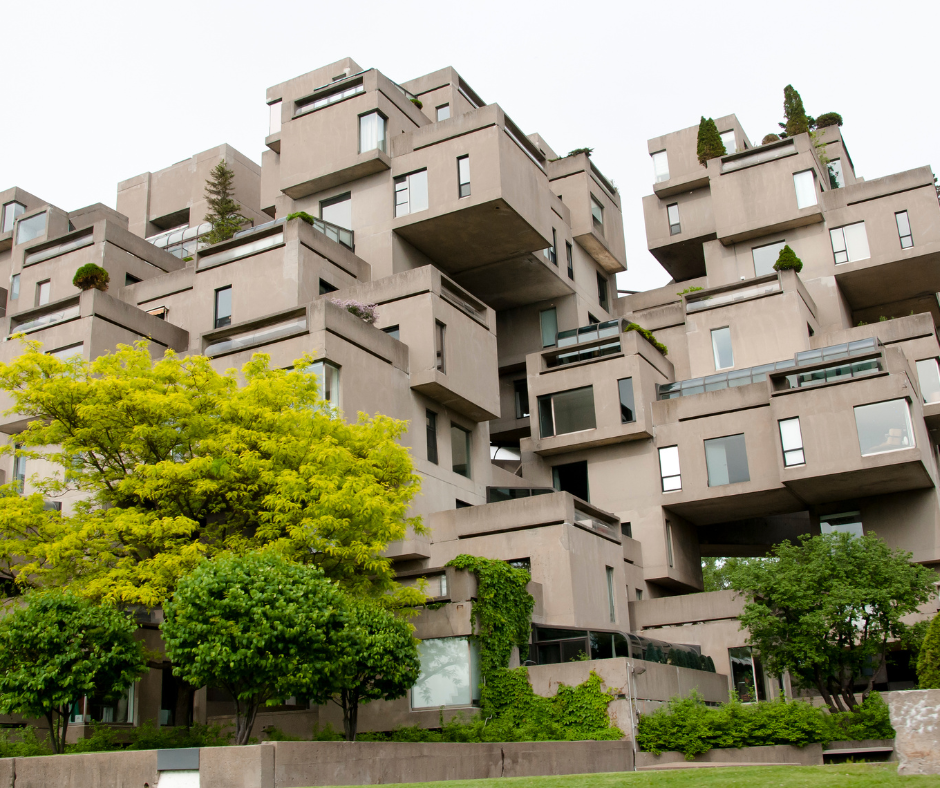
A self-guided tour of iconic buildings offers a fascinating journey through the architectural wonders of your city. From historic landmarks to modern skyscrapers, these structures tell stories of innovation, culture, and history. This guide will help you navigate your architectural adventure, allowing you to appreciate the unique designs and significance of the buildings that define your city’s skyline.

 Iconic Buildings
Iconic Buildings

Plan Your Architectural Route

Start by researching the most iconic buildings in your area. Look for a mix of different architectural styles, historical significance, and modern innovation. Utilize architectural guides, online resources, and community recommendations to create a list of must-visit locations. Planning your route ensures you cover a diverse range of architectural marvels and enjoy a comprehensive tour.

Begin with Historical Landmarks

Kick off your tour with a visit to historical landmarks that have stood the test of time. These buildings often represent significant periods in your city’s history and feature classic architectural styles. Take time to learn about the history and stories behind each landmark, appreciating the craftsmanship and design that have preserved them over the years.

Explore Modern Skyscrapers

Next, delve into the world of modern skyscrapers that define your city’s skyline. These towering structures showcase contemporary architectural innovation and engineering prowess. Observing the sleek designs and unique features of skyscrapers offers insight into modern trends and the evolution of urban architecture.

Discover Cultural Buildings

Venture into cultural buildings that hold significance for the local community, such as theaters, museums, and libraries. These structures often feature distinctive architectural elements that reflect their cultural purpose and artistic value. Exploring cultural buildings enriches your understanding of how architecture can influence and enhance cultural experiences.

Visit Government and Civic Buildings

Include visits to government and civic buildings that play crucial roles in your city’s administration and public life. These buildings often feature grand designs and symbolic elements that represent civic pride and governance. Learning about the architectural significance of these structures adds depth to your appreciation of their role in society.

Admire Religious Architecture

No architectural tour is complete without admiring the beauty of religious buildings, such as churches, temples, and mosques. These structures often feature intricate designs, beautiful stained glass, and elaborate ornamentation. Reflecting on the spiritual and cultural importance of religious architecture enhances your connection to the community’s heritage.

Engage with Public Art and Installations

As you explore, take time to engage with public art and installations that complement the architectural landscape. Sculptures, murals, and other artistic elements often enhance the aesthetic appeal of buildings and public spaces. Observing these works of art adds another layer of creativity and expression to your architectural tour.

Document Your Architectural Journey

Document your architectural journey by taking photographs and notes of the buildings you visit. Capture the details of architectural elements, the grandeur of the structures, and any interesting information you learn. Keeping a visual and written record helps you remember the highlights of your tour and share your experiences with others.

Reflect on Architectural Significance

After completing your tour, take time to reflect on the architectural significance of the buildings you visited. Consider how these structures contribute to the identity and character of your city. Reflecting on these aspects helps you appreciate the role of architecture in shaping urban environments and cultural landscapes.

Conclusion

A self-guided tour of iconic buildings offers a captivating and educational exploration of your city’s architectural heritage. By planning your route, visiting historical landmarks, modern skyscrapers, cultural buildings, and engaging with public art, you gain a deeper appreciation for the diverse architectural styles and their significance. Enjoy the journey through your city’s architectural marvels and let each building reveal its unique story and design.
A Historical Fact You Can Learn on Self-Guided Tours
Amazing Historical Facts You Can Learn on Self-Guided Tours

Exploring historical sites through self-guided tours is a fascinating way to uncover hidden stories and enrich your knowledge of the past. In this article, we’ll give you historical facts you can learn on self-guided tours.

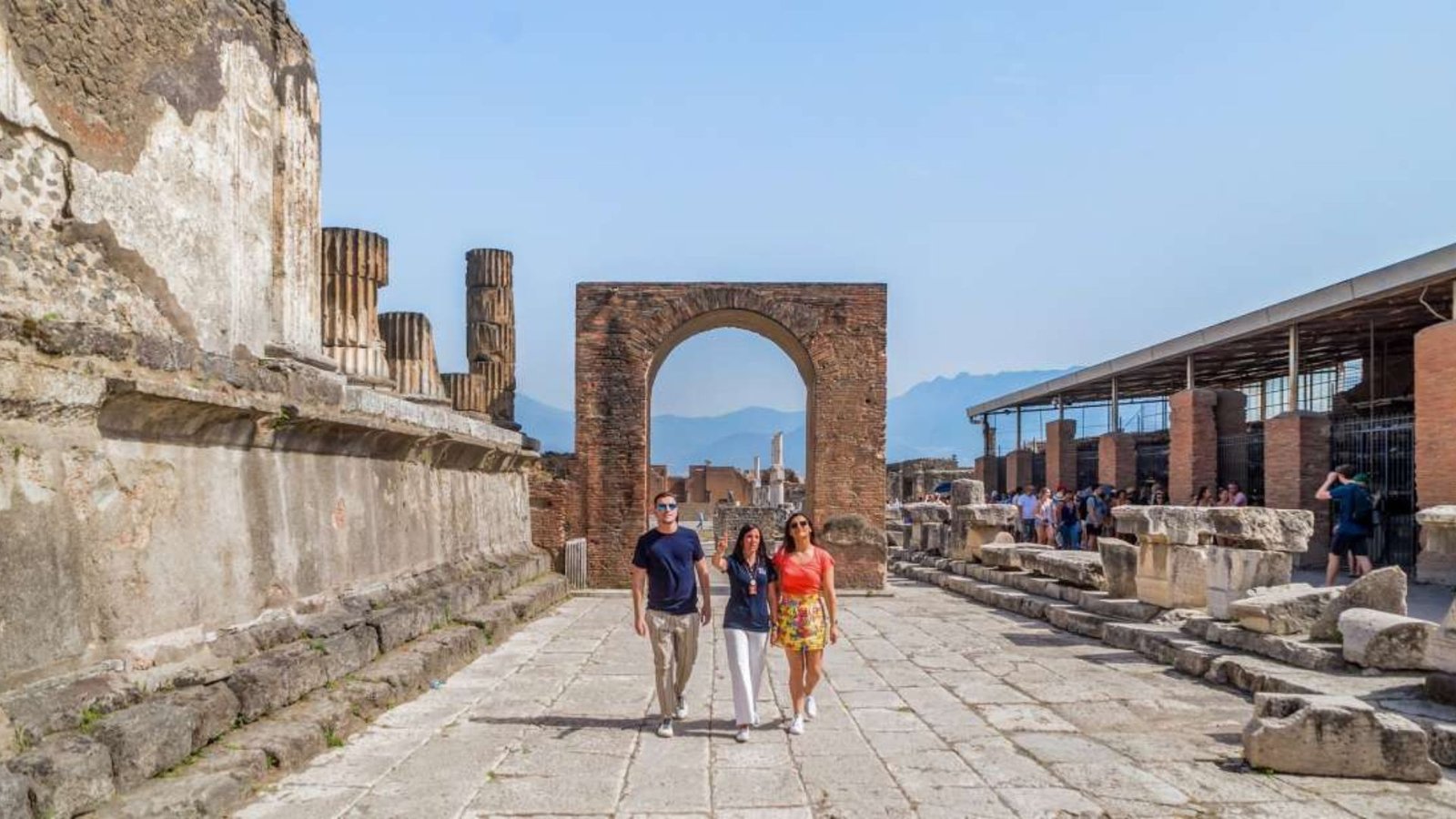
1. Pompeii, Italy: Frozen in Time

Pompeii is one of the historical facts you can learn on self-guided tours. Walking through the ancient city of Pompeii offers a glimpse into daily life during Roman times. Learn how the eruption of Mount Vesuvius in 79 AD preserved buildings, artwork, and even human remains, providing unparalleled insights into Roman civilization.

A Historical Fact You Can Learn on Self-Guided Tours
Historical Facts You Can Learn on Self-Guided Tours

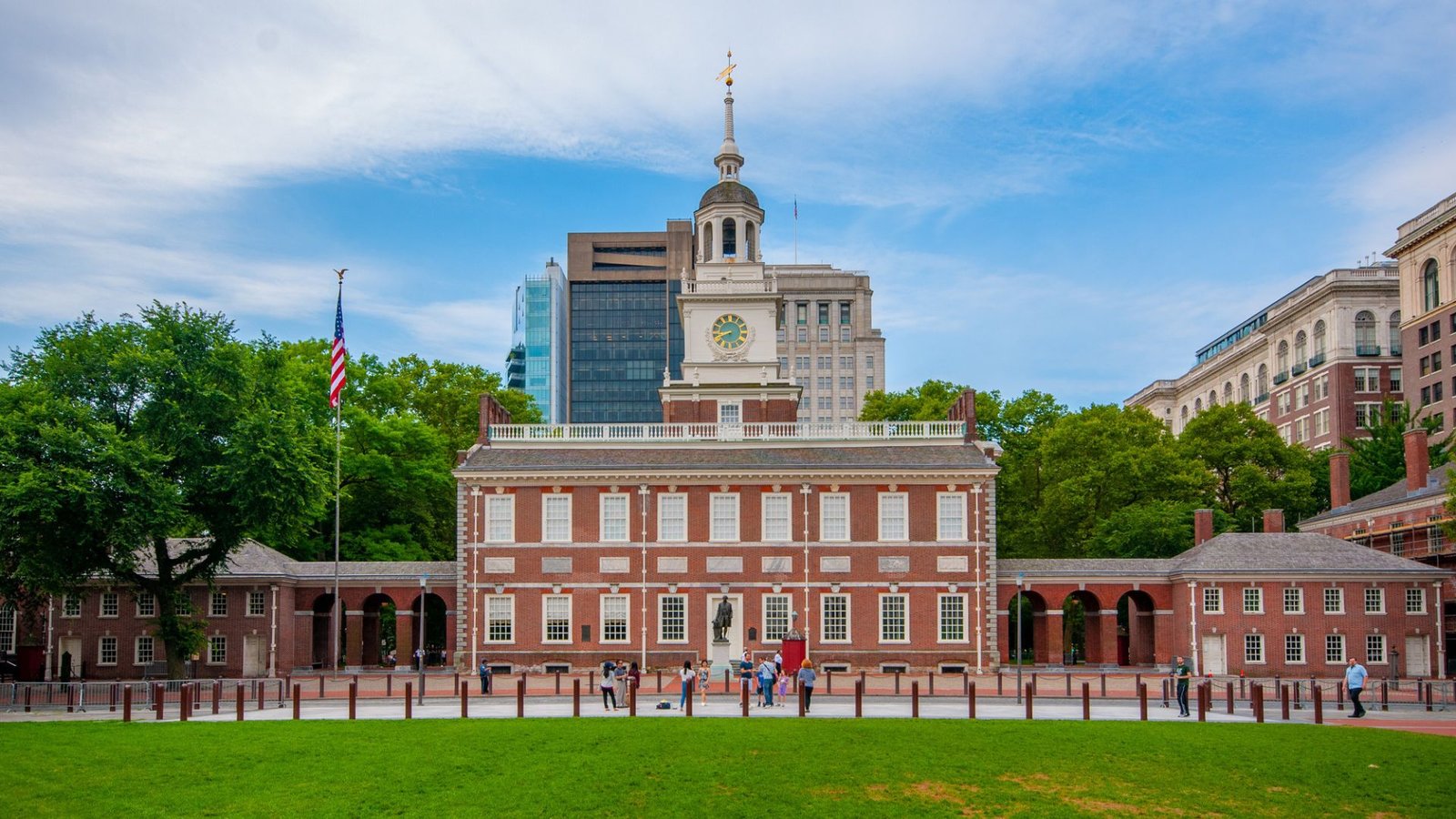
2. Independence Hall, Philadelphia: Birthplace of a Nation

Step into the room where the Declaration of Independence and the U.S. Discover how the founding fathers shaped the principles of democracy that continue to influence nations worldwide.

3. The Great Wall of China: A Monument to History

Explore sections of the Great Wall to understand its strategic importance and the labour-intensive methods used to build this iconic structure over centuries. Learn about its role in protecting China from invaders and its cultural significance today.

4. Auschwitz-Birkenau, Poland: Remembrance and Reflection

Visit this former Nazi concentration and extermination camp to honour the memory of Holocaust victims. Learn about the atrocities committed during World War II and the importance of preserving such sites as reminders of the consequences of intolerance.

5. Machu Picchu, Peru: Inca Engineering Marvel

Discover the architectural ingenuity of the Incas as you explore the mystical ruins of Machu Picchu.

6. Acropolis of Athens, Greece: Cradle of Western Civilization

Stand in awe of the Parthenon and other ancient structures that symbolize the birthplace of democracy and Western philosophy. Learn about the gods and goddesses of Greek mythology and their influence on art, literature, and politics.

7. Alhambra, Spain: Moorish Masterpiece

Explore the ornate palaces, gardens, and fortifications of the Alhambra to understand the legacy of Moorish culture in Spain. Learn about Islamic art and architecture during the Nasrid dynasty and its impact on European aesthetics.

8. Hiroshima Peace Memorial, Japan: Lessons from History

Reflect on the devastating impact of nuclear warfare by visiting the Hiroshima Peace Memorial Park and Museum. Learn about the events of August 6, 1945, and the city’s resilience in promoting peace and nuclear disarmament.

9. The Colosseum, Rome: Gladiatorial Spectacles

Immerse yourself in the grandeur of ancient Roman entertainment at the Colosseum. Learn about the gladiators who fought for glory and the engineering marvels that made this amphitheatre a symbol of imperial power.

10. Angkor Wat, Cambodia: Temple City of the Khmer Empire

Explore the vast complex of Angkor Wat to uncover the religious and architectural achievements of the Khmer Empire. Learn about Hindu and Buddhist influences and the significance of this UNESCO World Heritage site.

11. Ellis Island, New York: Gateway to America

Trace the footsteps of millions of immigrants who arrived in the United States through Ellis Island. Learn about their journeys, struggles, and contributions to shaping American culture and society in the late 19th and early 20th centuries.

12. Petra, Jordan: Rose City of the Desert

Marvel at the rock-cut architecture and water management systems of Petra, an ancient Nabatean city. Learn about its role as a key trading hub and its integration of Hellenistic, Egyptian, and Roman architectural styles.

13. Edinburgh Castle, Scotland: Fortress of History

Perched atop Castle Rock, Edinburgh Castle offers panoramic views of the city and insights into Scotland’s turbulent past. Learn about its royal residents, military significance, and the Stone of Destiny, used in coronations.

14. The Kremlin, Moscow: Heart of Russian Power

Delve into Russian history and politics at the Kremlin, a fortified complex overlooking Moscow. Learn about its role as the seat of power for tsars, Soviet leaders, and modern-day presidents, and its architectural treasures.

15. Taj Mahal, India: Monument of Love

Discover the story behind the Taj Mahal, a UNESCO World Heritage site and a symbol of eternal love. Learn about Emperor Shah Jahan’s tribute to his wife Mumtaz Mahal and the architectural brilliance of this marble mausoleum.

Conclusion

Self-guided tours offer an immersive way to delve into history, from ancient civilizations to more recent events that have shaped our world. By exploring these sites independently, you can uncover fascinating historical facts and gain a deeper appreciation for the cultures and legacies they represent.

Photographer’s Self-Guided Tours
Photographer’s Self-Guided Tours: Find the Perfect Shots.

For photographers looking to capture stunning shots while exploring new places, self-guided tours offer the flexibility and freedom to create a personalized photo journey. By curating your own photography tour, you can discover scenic spots, hidden gems, and unique perspectives that make for extraordinary photographs. Here’s how to design a self-guided tour that helps you find the perfect shots.

1. Choose Your Photography Focus

Determine the type of photography you want to focus on:

  • Landscape Photography: Focus on capturing natural landscapes, including mountains, lakes, and forests.
  • Urban Photography: Explore cityscapes, architectural details, and street scenes.
  • Nature and Wildlife Photography: Seek out parks, nature reserves, and wildlife habitats.
  • Historical and Cultural Photography: Document historical landmarks, cultural events, and traditional settings.

2. Research Scenic Locations

Identify the best locations for your photography focus:

  • Landmark Guides: Use photography guides or online resources to find notable landmarks and scenic viewpoints.
  • Local Photography Forums: Check out local photography forums and social media groups for recommendations on hidden gems and popular spots.
  • Google Maps and Street View: Explore potential locations on Google Maps and Street View to scout out the best angles and compositions.

3. Plan Your Itinerary

Create an itinerary that covers your chosen locations:

Photographer’s Self-Guided Tours
  • Key Spots: List must-visit locations that align with your photography focus. For example, include iconic viewpoints or famous landmarks.
  • Golden Hours: Schedule your visits around the golden hours (early morning and late afternoon) for the best natural light.
  • Breaks and Flexibility: Allow time for breaks and spontaneous stops. Photography often requires patience and flexibility.

4. Prepare Your Gear

Ensure you have the right equipment for your photo tour:

  • Camera and Lenses: Pack your camera, lenses, and any other essential gear. Consider a wide-angle lens for landscapes and a zoom lens for wildlife.
  • Tripod and Filters: Bring a tripod for stability and filters to manage light and reflections.
  • Backup Batteries and Storage: Carry extra batteries and memory cards to ensure you don’t miss any shots.

5. Capture Unique Perspectives

Look for unique angles and compositions to enhance your photography:

  • Leading Lines and Frames: Use leading lines, natural frames, and interesting compositions to create compelling images.
  • Different Times of Day: Capture the same location at different times of day to explore varying light conditions and moods.
  • Local Insights: Ask locals for advice on lesser-known spots or unique perspectives that might not be in guidebooks.

6. Post-Processing Tips

Enhance your photos with post-processing techniques:

  • Editing Software: Use software like Adobe Lightroom or Photoshop to adjust exposure, contrast, and color balance.
  • Organize and Categorize: Organize your photos into categories or projects for easier access and sharing.
  • Share and Showcase: Share your best shots on photography websites, social media, or local exhibitions.

7. Example Photographer’s Tours

Here are some tailored tour ideas to inspire your photography journey:

  • Urban Exploration Tour: Explore the architectural marvels, street art, and bustling city life of a major city. Visit iconic buildings, hidden alleyways, and vibrant markets.
  • Nature and Wildlife Expedition: Visit national parks and nature reserves, capturing the beauty of landscapes, wildlife, and natural phenomena.
  • Historic Landmarks Trail: Document historic sites and cultural landmarks, focusing on architectural details, statues, and historical artifacts.

Conclusion

A self-guided photography tour allows you to explore and capture stunning images at your own pace. By selecting the right locations, planning your itinerary, and preparing your gear, you can create a personalized photo journey that showcases the beauty and uniqueness of your chosen subjects. Embrace the adventure of discovering new perspectives and capturing the perfect shots with a tour tailored just for you.

Local Legends Tours: Uncover Mysteries on Your Own.

Discovering the hidden legends and mysteries of your area can be an exciting and immersive experience. By creating your own local legends tour, you can delve into the folklore, historical enigmas, and intriguing tales that make your region unique. Here’s how to design a self-guided tour that uncovers the secrets of local legends and creates an adventure filled with mystery and intrigue.

1. Research Local Legends and Folklore

Begin by researching the local legends and folklore of your area:

  • Local History Books: Check out books and publications about local history and legends from libraries or bookstores.
  • Online Resources: Explore websites, blogs, and forums dedicated to local folklore and mysterious tales.
  • Local Experts: Speak with local historians, cultural organizations, or even old-timers who might have insights into regional myths and stories.

2. Identify Key Locations

Find the key locations associated with these legends and mysteries.

  • Historical Sites: Identify sites that are linked to local legends, such as haunted houses, old battlefields, or ancient ruins.
  • Cultural Landmarks: Look for landmarks tied to folklore or historical events, such as monuments or statues commemorating local tales.
  • Natural Features: Include natural locations like caves, forests, or lakes that are part of the local legends.
Local Legends Tours: Uncover Mysteries on Your Own.

3. Create Your Itinerary

Design an itinerary that includes visits to the most intriguing locations:

  • Must-See Sites: Highlight the primary locations related to the legends. For instance, visit the Whistler’s Woods if your area is known for ghost stories.
  • Supporting Locations: Add related spots that enhance the experience, such as local museums with exhibits on folklore or cultural centers.
  • Themed Stops: Incorporate stops that match the theme of the legends, such as a local cafĂ© known for its historical significance or a park with a historical story.

4. Add Interactive Elements

Make your tour more engaging with interactive elements:

  • Mystery Hunts: Create a scavenger hunt or treasure hunt related to the local legends. Use clues and puzzles to guide participants to different locations.
  • Storytelling Sessions: Record or find audio recordings of local stories and legends to listen to at key points during the tour.
  • Photo Challenges: Set up photo challenges where participants must capture images related to the legends or recreate famous scenes from the tales.

5. Incorporate Local Culture

Enhance your tour with local cultural experiences:

  • Cultural Events: Time your tour to coincide with local festivals or events that celebrate regional folklore and traditions.
  • Local Cuisine: Try local dishes or visit restaurants that have historical or cultural significance related to the legends.
  • Traditional Crafts: Engage in local crafts or activities that reflect the cultural background of the legends.

6. Document and Share Your Findings

Capture your experience and share your discoveries:

  • Travel Journal: Keep a journal of your findings, including details about the locations, legends, and any interesting observations.
  • Photography: Take photos of significant locations and artifacts related to the legends. Capture the atmosphere of the sites to share with others.
  • Share Your Tour: Create a blog or social media posts to share your tour experience with friends, family, and the community. Include tips, photos, and highlights of your adventure.

7. Example Local Legends Tours

Here are a few ideas to inspire your local legends tour:

  • Haunted History Tour: Explore the most haunted locations in your area, visit old buildings with ghost stories, and learn about their eerie histories.
  • Mythical Creatures Trail: Discover natural sites associated with local mythical creatures or folklore, such as a lake believed to be inhabited by a mythical beast.
  • Historical Enigma Tour: Uncover historical mysteries or unsolved crimes that have become local legends, visiting key locations and learning about their intriguing histories.

Conclusion

Creating a local legends tour allows you to explore the hidden stories and mysteries of your area in an engaging and personal way. By researching local folklore, identifying key locations, and adding interactive elements, you can design a self-guided adventure that uncovers the rich tapestry of your region’s legends and history. Embrace the thrill of discovery and enjoy the journey into your area’s mysterious past.

Street Art in Berlin

Berlin is a vibrant canvas where street art thrives, transforming the city’s walls into dynamic expressions of creativity and activism. Embark on a self-guided tour to explore Berlin’s rich tapestry of street art, from striking murals to hidden graffiti gems. This guide will help you navigate Berlin’s most iconic and lesser-known street art spots.

Street Art in Berlin

Iconic Street Art Districts

Kreuzberg: The Heartbeat of Berlin’s Street Art

Begin your journey in Kreuzberg, a district renowned for its thriving street art scene. Wander through the East Side Gallery, a mile-long stretch of the Berlin Wall adorned with artworks that reflect both historical and contemporary themes. Explore areas around Görlitzer Park and the lively streets of Oranienstraße to discover a diverse array of murals and graffiti. Kreuzberg’s vibrant street art captures the essence of Berlin’s rebellious spirit and cultural diversity.

Friedrichshain: Where Art Meets History

Friedrichshain offers a rich collection of street art, blending historical elements with modern creativity. Visit the RAW-Gelände, a former industrial complex now transformed into a cultural hub with impressive murals and installations. The area around Boxhagener Platz and the street art along the Spree River further highlight Friedrichshain’s unique artistic flair.

Exploring Street Art Hotspots

Mural Tours and Art Installations

Berlin’s streets are home to numerous murals and art installations that reflect various styles and messages. Take time to explore murals by renowned artists such as Blu, El Bocho, and ROA. The creative diversity found in these works ranges from political statements to abstract designs. Seek out locations like the famous “Berliner Dom” mural and “The Kiss” by Thierry Noir for memorable artistic experiences.

Hidden Gems and Off-the-Beaten-Path Spots

For those seeking hidden gems, explore lesser-known areas like Neukölln and Wedding. Neukölln’s streets feature a blend of emerging artists and experimental works, while Wedding offers a more raw and unfiltered street art experience. These neighborhoods provide a contrast to the more popular art districts and reveal Berlin’s lesser-known creative corners.

Engaging with Berlin’s Street Art Community

Local Art Galleries and Studios

Engage with Berlin’s street art community by visiting local galleries and studios that showcase both established and emerging street artists. Spaces like the Urban Nation Museum and Galerie Templon offer insights into the artistic process and the broader context of street art. These venues often host exhibitions, workshops, and events that deepen your understanding of Berlin’s street art culture.

Street Art Tours and Events

While exploring on your own, consider joining organized street art tours that offer guided insights into Berlin’s art scene. These tours often include visits to key locations, stories behind the artworks, and interactions with local artists. Participating in street art events, such as gallery openings or street art festivals, can further enhance your experience and appreciation of Berlin’s urban creativity.

Sustainable and Respectful Street Art Exploration

Environmental Considerations

As you explore Berlin’s street art, be mindful of environmental impact. Avoid littering and respect public spaces to help maintain the city’s artistic integrity. Many street artists use eco-friendly materials and techniques, so supporting these initiatives aligns with sustainable tourism practices.

Respecting Local Art and Culture

Respect the cultural significance of street art and the communities that create it. Refrain from defacing or vandalizing artworks, and approach street art with an open and appreciative mindset. Understanding the stories and messages behind the art enhances your experience and supports Berlin’s vibrant creative culture.

Conclusion

A self-guided tour of street art in Berlin offers a unique glimpse into the city’s artistic soul. From iconic murals in Kreuzberg to hidden gems in Neukölln, Berlin’s streets are a dynamic canvas of creativity and expression. By exploring these vibrant art districts, engaging with local artists, and practicing respectful tourism, you’ll gain a deeper appreciation for the role of street art in Berlin’s cultural landscape.

Historical Fiction Tours

Immerse yourself in the worlds of your favorite historical fiction novels by creating tours that allow you to walk in the footsteps of beloved characters. Historical fiction tours blend real-world locations with the rich narratives of novels, offering a unique way to experience the settings and events that bring stories to life. Here’s how to design your own historical fiction tour and explore the fascinating worlds of literature.

1. Select Your Historical Fiction Novel

Begin by choosing a historical fiction novel or series that captivates you:

  • Classics: Opt for well-known classics like “Pride and Prejudice” by Jane Austen or “The Book Thief” by Markus Zusak.
  • Historical Epics: Explore novels set in significant historical periods, such as “All the Light We Cannot See” by Anthony Doerr or “The Nightingale” by Kristin Hannah.
  • Local Favorites: Choose novels set in specific regions or cities you’re interested in exploring.

2. Research Real-World Locations

Identify real-world locations featured in or related to the novel:

  • Filming Locations: For novels adapted into films or TV series, visit the filming locations. For example, visit Bath for “Pride and Prejudice” or Paris for “Les MisĂ©rables.”
  • Historical Landmarks: Explore landmarks and sites mentioned in the book. For “The Book Thief,” visit Munich and Dachau in Germany.
  • Author Inspiration: Research where the author found inspiration for the setting or characters and include those locations in your tour.
Historical Fiction Tours

3. Create an Itinerary

Design an itinerary that allows you to visit significant locations and enjoy related activities:

  • Key Locations: List must-visit spots, such as homes, battlefields, or landmarks central to the story. For “The Nightingale,” include Le Chambon-sur-Lignon in France.
  • Supporting Sites: Include additional sites that enrich the tour experience, such as museums or cultural centers related to the novel’s era.
  • Local Experiences: Find local experiences that connect to the novel’s themes or settings, such as period-specific restaurants or markets.

4. Immerse Yourself in the Story

Enhance your tour with activities that bring the novel’s world to life:

  • Literary Guided Tours: Join guided tours that focus on historical fiction or literary history in the area. Many cities offer themed walking tours.
  • Themed Activities: Participate in activities related to the novel, such as cooking classes featuring period recipes or historical reenactments.
  • Dress the Part: Consider dressing in period-appropriate attire or costumes to enhance the immersive experience.

5. Engage with Educational Content

Learn more about the historical context and background of the novel:

  • Historical Context: Research the historical period depicted in the novel to gain a deeper understanding of the setting and events.
  • Author Background: Learn about the author’s life and their inspiration for writing the novel. Many authors’ homes or writing centers offer tours and exhibits.
  • Book Discussions: Join book clubs or online forums to discuss the novel and its historical setting with others who share your interest.

6. Example Historical Fiction Tours

Here are a few examples to inspire your historical fiction tour:

  • “Outlander” Tour: Explore the Scottish Highlands, visit historic sites like Culloden Battlefield, and experience Scottish culture, inspired by Diana Gabaldon’s series.
  • “The Pillars of the Earth” Tour: Visit historical towns like Kingsbridge (fictional) and real locations in England, such as Canterbury Cathedral and Lincoln Cathedral.
  • “Gone with the Wind” Tour: Discover Southern charm with visits to Atlanta, Georgia, and Tara Plantation, inspired by Margaret Mitchell’s classic novel.

Conclusion

Historical fiction tours offer a captivating way to engage with your favorite novels and their settings. By selecting compelling novels, researching real-world locations, and creating an immersive itinerary, you can bring the stories to life and explore the rich historical contexts of your chosen fiction. Embrace the adventure of walking in the footsteps of literary characters and experience history through the lens of your favorite books.

Art Galleries and Museums
Cultural Corners: A Self-Guided Tour of Art Galleries and Museums

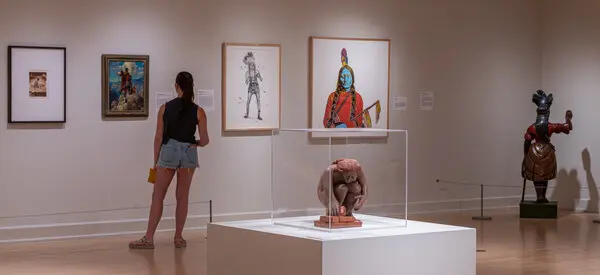
A self-guided tour of art galleries and museums offers a rich cultural experience, allowing you to explore diverse collections and exhibitions at your own pace. From contemporary art galleries to historical museums, these cultural corners provide insight into the artistic and historical heritage of your city. This guide will help you navigate your cultural journey, ensuring a fulfilling and educational exploration.

Art Galleries and Museums

Plan Your Cultural Route

Start by researching art galleries and museums in your area. Look for a mix of well-known institutions and smaller, independent spaces that offer unique perspectives. Utilize local cultural guides, online resources, and community recommendations to create a list of must-visit locations. Planning your route ensures you cover a range of artistic and historical experiences.

Begin with Major Art Galleries

Kick off your tour with a visit to major art galleries that are renowned for their extensive collections and exhibitions. These galleries often feature works by well-known artists, both past and present, and offer a variety of mediums, from paintings and sculptures to digital art. Take time to explore the different sections of the gallery and appreciate the diversity of artistic expression.

Explore Historical Museums

Next, delve into historical museums that provide a window into the past. These institutions often house artifacts, documents, and exhibits that narrate the history and cultural development of your city and beyond. Learning about historical events, notable figures, and cultural shifts through museum exhibits enriches your understanding of the world.

Discover Contemporary Art Spaces

Venture into contemporary art spaces that showcase cutting-edge and innovative works by emerging artists. These galleries often highlight current trends and experimental approaches in the art world. Observing contemporary art allows you to engage with modern themes and ideas, offering fresh perspectives on societal issues and artistic practices.

Visit Specialized Museums

Include visits to specialized museums that focus on particular themes or fields, such as science, natural history, or technology. These museums offer in-depth exploration of specific topics and often feature interactive exhibits that engage visitors of all ages. Specialized museums provide a unique and educational experience, broadening your knowledge in various areas.

Enjoy Temporary Exhibitions

Keep an eye out for temporary exhibitions that may be on display during your tour. Many galleries and museums host rotating exhibits that feature guest curators, traveling collections, or special themes. Visiting these exhibitions adds variety to your tour and allows you to experience unique and often limited-time displays.

Engage with Cultural Programs

If available, participate in cultural programs or events offered by galleries and museums. Many institutions host lectures, workshops, artist talks, and guided tours that provide deeper insight into the exhibits and collections. Engaging with these programs enhances your cultural experience and allows you to interact with experts and fellow enthusiasts.

Document Your Cultural Journey

Document your cultural journey by taking photographs and notes of the artworks and exhibits you encounter. Capture the details of the pieces that resonate with you, the layout of the galleries, and any interesting information you learn. Keeping a record helps you remember the highlights of your tour and share your discoveries with others.

Reflect on Artistic and Historical Significance

After completing your tour, take time to reflect on the artistic and historical significance of the galleries and museums you visited. Consider how these institutions contribute to your understanding of art, history, and culture. Reflecting on these aspects helps you appreciate the role of cultural institutions in preserving and promoting artistic and historical heritage.

Conclusion

A self-guided tour of art galleries and museums offers a rich and fulfilling cultural exploration. By planning your route, visiting major galleries, historical museums, and contemporary art spaces, you gain a deeper appreciation for the diversity and significance of artistic and historical collections. Enjoy the journey through your city’s cultural corners and let each visit inspire and educate you.

Family-Friendly Self-Guided Tours

Planning a family-friendly self-guided tour can be a fantastic way to explore new destinations and create lasting memories together. Whether you’re traveling locally or venturing further afield, choosing activities that cater to all ages ensures that everyone in the family has a great time. Here’s how to design a self-guided tour that includes fun and engaging activities for every member of the family.

1. Choose a Kid-Friendly Destination

Start by selecting a destination that offers a variety of attractions suitable for all ages:

  • Theme Parks: Visit well-known theme parks that offer rides and entertainment for children and adults alike. Parks like Disneyland or Legoland are ideal for family fun.
  • Family-Friendly Cities: Explore cities known for their family-friendly attractions, such as San Diego with its zoo and beaches, or Washington, D.C. with its museums and parks.
  • Nature Reserves: Choose destinations with nature reserves or parks that offer hiking trails, picnic areas, and wildlife viewing.

2. Plan Interactive and Educational Activities

Incorporate activities that are both fun and educational:

  • Interactive Museums: Visit museums with hands-on exhibits, such as children’s museums or science centers. Places like the Exploratorium in San Francisco or The Children’s Museum in Indianapolis are great options.
  • Historical Sites with Family Tours: Choose historical sites that offer family-friendly tours or interactive exhibits. Many sites have special programs for children.
  • Botanical Gardens and Nature Centers: Explore botanical gardens with interactive features or nature centers with educational programs and trails.
Family-Friendly Self-Guided Tours

3. Incorporate Outdoor Fun

Outdoor activities are perfect for families who enjoy spending time in nature:

  • Scavenger Hunts: Create a scavenger hunt with clues related to local landmarks or natural features. Apps like Seek can help with nature scavenger hunts.
  • Picnic Spots: Plan picnic breaks in scenic parks or by lakes. Pack a picnic basket with favorite snacks and enjoy a meal outdoors.
  • Bike Rentals and Trails: Rent bikes and explore bike-friendly trails. Many cities offer bike paths that are safe and enjoyable for families.

4. Include Interactive and Creative Experiences

Engage the family with creative activities:

  • DIY Craft Stations: Set up craft stations at your accommodation or at local parks where children can create souvenirs or artwork.
  • Local Workshops: Find local workshops or classes that offer family-friendly activities, such as pottery painting, cooking classes, or dance lessons.
  • Themed Tours: Choose themed tours related to interests like pirates, superheroes, or dinosaurs. Many cities offer themed walking tours that are entertaining for kids and adults.

5. Plan Rest and Relaxation

Ensure your itinerary includes downtime to rest and recharge:

  • Rest Stops: Incorporate frequent rest stops, especially if you’re covering a lot of ground. Find shaded areas or cozy spots where the family can relax.
  • Comfortable Accommodations: Choose accommodations with family-friendly amenities, such as swimming pools, play areas, or family suites.
  • Leisure Activities: Plan some low-key activities like movie nights, board games, or storytime to balance out the more active parts of your tour.

6. Sample Family-Friendly Self-Guided Tours

Here are a few ideas to inspire your next family adventure:

  • City Explorers Tour: Spend a day exploring a city with stops at a children’s museum, a zoo, a park, and a family-friendly restaurant.
  • Nature Adventure: Hike through a national park with scenic trails, participate in a guided nature walk, and enjoy a picnic lunch by a river.
  • Cultural Discovery: Visit a historical town with interactive exhibits, local crafts, and family-oriented historical reenactments.

Conclusion

Designing a family-friendly self-guided tour allows you to create an enjoyable and memorable experience for every member of the family. By choosing destinations with diverse attractions, planning interactive and educational activities, and incorporating plenty of downtime, you can ensure that everyone has a fantastic time. Embrace the adventure of exploring together and create lasting memories with activities that cater to all ages.

Navigating City Tours Independently
Top Tips for Navigating City Tours Independently

Exploring a city independently can be an exciting and enriching experience, allowing you to discover hidden gems and immerse yourself in local culture at your own pace. Whether you’re travelling solo or with companions, navigating city tours independently requires careful planning and a sense of adventure. Let’s give you some top tips to help you make the most of your self-guided urban exploration.

1. Research Your Destination Thoroughly

Before you begin your city tour, conduct a thorough research about the destination. Learn about its history, culture, neighbourhoods, and transportation options. Identify key landmarks, attractions, and local customs to better understand what the city has to offer.

Navigating City Tours Independently

2. Plan Your Itinerary Ahead

Create a flexible itinerary that outlines the places you want to visit and activities you want to experience. Consider the proximity of attractions to optimize your time and minimize travel between sites. Leave room for spontaneous discoveries and adjustments to your plans.

3. Use Reliable Maps and Navigation Apps

Utilize reliable maps and navigation apps to navigate the city efficiently. Apps like Google Maps, Citymapper, or local transit apps can provide real-time information on public transportation routes, walking directions, and estimated travel times. Download offline maps for areas with limited internet connectivity.

4. Explore Neighborhoods on Foot

Walking is one of the best ways to explore a city’s character and uncover hidden gems. Choose a neighbourhood and stroll through its streets, alleys, and parks. Take note of local cafes, shops, and street art that may not be visible from a vehicle or public transport.

5. Take Advantage of Public Transportation

Public transportation is often the most cost-effective and efficient way to get around a city. Familiarize yourself with bus, tram, subway, or metro routes and schedules. Consider purchasing day passes or multi-day cards for unlimited travel within a specified area.

6. Seek Local Recommendations

Engage with locals such as hotel staff, restaurant servers, or residents to get insider tips and recommendations.

7. Visit Free or Low-Cost Attractions

Budget-conscious travellers can save money by visiting free or low-cost attractions. Many cities offer museums with free admission on certain days, public parks, historic sites, and walking tours at no cost. Check local tourism websites for current offers and promotions.

8. Stay Safe and Informed

Prioritize your safety by researching any potential safety concerns or travel advisories for the city. Be aware of local customs, laws, and emergency contact information. Keep your belongings secure and avoid displaying valuables in crowded or touristy areas.

9. Embrace Local Cuisine

Sampling local cuisine is an essential part of experiencing a city’s culture. Explore markets, food trucks, and neighbourhood eateries to taste authentic dishes and flavours. Don’t hesitate to try street food or regional specialities recommended by locals.

10. Document Your Journey

Capture memories of your city tour by taking photos, keeping a travel journal, or creating a digital scrapbook. Record your favourite moments, interesting encounters, and notable landmarks to share with friends and family or reminisce about your travels later.

11. Attend Cultural Events and Festivals

Check local event calendars for cultural festivals, street fairs, concerts, or seasonal celebrations happening during your visit. Participating in these events allows you to immerse yourself in the city’s traditions, music, and arts firsthand.

12. Stay Flexible with Your Plans

Maintain flexibility in your itinerary to accommodate unexpected opportunities or changes in weather. Adapt your plans based on local recommendations, current events, or discoveries along the way. Sometimes the most memorable experiences come from spontaneous decisions.

13. Learn Basic Local Phrases

Learning a few basic phrases in the local language can enhance your interactions with residents and show respect for their culture. Practice greetings, polite expressions, and simple questions related to directions or recommendations.

14. Support Local Businesses

Support the local economy by shopping at independent boutiques, artisanal markets, and family-owned businesses. Purchase souvenirs, handicrafts, or locally-made products as mementoes of your trip and contribute positively to the community.

15. Reflect on Your Experience

Take time to reflect on your city tour experience before you depart. Consider what you enjoyed most, what you learned about the city’s history and culture, and how the journey has enriched your perspective. Share your insights and recommendations with others who may be planning a similar adventure.

Conclusion

Navigating city tours independently allows you to tailor your travel experience to your interests and preferences while exploring a destination on your terms. By planning, using local resources, and staying open to discoveries, you can make the most of your urban exploration and create lasting memories of your journey.

Urban Green Spaces
Urban Green Spaces: A Self-Guided Tour of Parks and Gardens

Urban green spaces offer a breath of fresh air amidst the hustle and bustle of city life. A self-guided tour of parks and gardens provides a perfect opportunity to relax, enjoy nature, and appreciate the beauty of landscaped environments. This guide will help you explore the diverse green spaces in your city, from expansive parks to hidden gardens, allowing you to connect with nature and unwind.

Urban Green Spaces
Urban Green Spaces

Plan Your Green Route

Start by researching the parks and gardens in your area. Look for a variety of spaces that offer different experiences, such as botanical gardens, community parks, and scenic reserves. Utilize local maps, tourism websites, and community recommendations to create a list of must-visit locations. Planning your route ensures you cover a range of green spaces and enjoy a well-rounded tour.

Begin with Iconic Parks

Kick off your tour with a visit to iconic parks that are well-known for their beauty and amenities. These parks often feature extensive walking trails, picnic areas, and recreational facilities. Take time to explore the various sections of the park, enjoy a leisurely walk, or have a picnic amidst the lush greenery.

Explore Botanical Gardens

Next, delve into the world of botanical gardens, where you can discover a wide variety of plant species and beautifully curated landscapes. Botanical gardens often have themed sections, such as rose gardens, tropical plant conservatories, or succulent displays. Observing the diverse plant life and learning about different species enhances your appreciation for horticulture and conservation efforts.

Discover Hidden Gardens

Venture off the beaten path to discover hidden gardens that may not be as widely known. These gardens can include community gardens, rooftop gardens, or small public spaces tucked away in quieter neighborhoods. Exploring these hidden gems offers a more intimate and tranquil experience, allowing you to enjoy nature in a serene setting.

Visit Historical Parks

Include visits to historical parks that have significant cultural and historical value. These parks often feature monuments, statues, and preserved landscapes that tell stories of the past. Learning about the history of these parks and their importance to the community provides a deeper understanding of their significance.

Enjoy Recreational Activities

Take advantage of the recreational activities offered by many urban green spaces. Look for parks with sports facilities, playgrounds, or fitness trails. Engaging in activities such as jogging, cycling, or playing a game of tennis adds a fun and active element to your green space exploration.

Engage with Local Wildlife

Urban green spaces are often home to a variety of wildlife, including birds, squirrels, and insects. Take time to observe and appreciate the local fauna as you explore. Consider bringing binoculars for birdwatching or a camera to capture the wildlife you encounter. Engaging with nature in this way enhances your connection to the environment.

Document Your Green Journey

Document your green journey by taking photographs and notes of the parks and gardens you visit. Capture the beauty of the landscapes, the diversity of plant life, and any memorable moments. Keeping a visual and written record helps you remember the highlights of your tour and share your experiences with others.

Reflect on the Importance of Green Spaces

After completing your tour, take time to reflect on the importance of urban green spaces. Consider how these areas contribute to the well-being of the community, provide recreational opportunities, and enhance the city’s environmental health. Reflecting on these aspects helps you appreciate the vital role that parks and gardens play in urban life.

Conclusion

A self-guided tour of urban green spaces offers a refreshing and rejuvenating way to explore your city’s parks and gardens. By planning your route, visiting iconic parks, botanical gardens, and hidden gems, you gain a deeper appreciation for the beauty and significance of green spaces. Enjoy the tranquility and natural beauty that these urban oases provide, and let each visit bring a sense of peace and connection to nature.