Search for:
Flexibility of Self-Guided Tours

Self-guided tours offer a unique opportunity to explore destinations with unparalleled flexibility and freedom. Unlike guided tours with fixed schedules, self-guided tours allow travelers to set their own pace, choose their activities, and adapt their itinerary as they go. This flexibility is invaluable for those who prefer spontaneity and wish to immerse themselves fully in the cultural and natural wonders of each location.

Flexibility of Self-Guided Tours

Personalized Itineraries

One of the primary advantages of self-guided tours is the ability to create personalized itineraries tailored to your interests and preferences. Whether you’re passionate about history, nature, culinary experiences, or simply seeking relaxation, you have the autonomy to prioritize activities that align with your travel goals. This personalized approach ensures that every moment of your journey is meaningful and aligned with your individual desires.

Adaptability to Discoveries

Flexibility in self-guided tours extends beyond itinerary planning—it allows you to adapt seamlessly to unexpected discoveries along the way. Serendipitous encounters with local artisans, hidden viewpoints offering breathtaking scenery, or invitations to cultural events can enrich your travel experience in ways that scripted tours may not accommodate. Embracing flexibility enables you to fully embrace the essence of each destination and delve into its authentic charm.

Freedom to Explore at Your Pace

Unlike group tours that adhere to rigid schedules, self-guided tours offer the freedom to explore at your own pace. Whether you prefer lingering in a museum to study intricate exhibits or taking leisurely walks through quaint neighborhoods, you can savor each moment without feeling rushed. This unhurried approach fosters a deeper connection with the places you visit, allowing for introspection and appreciation of local nuances that may go unnoticed in a more structured tour setting.

Embracing Spontaneity: Seizing Opportunities Along the Way

One of the greatest joys of self-guided tours is the spontaneity they afford. Unlike structured tours that follow a predetermined schedule, self-guided explorations allow travelers to seize opportunities as they arise. Whether it’s stumbling upon a local festival, following a hidden trail that leads to a breathtaking vista, or engaging in an impromptu conversation with a friendly local, these unplanned moments often become the highlights of the journey. Embracing spontaneity adds an element of excitement and unpredictability, enriching your travel experience with unexpected discoveries and genuine connections with the places you visit.

Navigating Unfamiliar Terrain: Building Confidence and Resilience

Navigating unfamiliar terrain is a fundamental aspect of self-guided tours that fosters personal growth and resilience. Whether you’re navigating city streets using a map or trekking through wilderness trails with a GPS device, each navigation challenge presents an opportunity to build confidence in your abilities. Overcoming obstacles, such as language barriers or logistical hiccups, enhances problem-solving skills and adaptability. These experiences not only enrich your travel journey but also equip you with valuable life skills that extend beyond the realm of travel, empowering you to navigate challenges with resilience and grace in various aspects of life.

Conclusion

In conclusion, the flexibility of self-guided tours empowers travelers to embark on journeys that are as dynamic and diverse as they are. By embracing personalized exploration, adaptability to discoveries, and the freedom to set your own pace, self-guided tours offer a pathway to immersive travel experiences filled with authenticity and discovery. Whether you’re embarking on a solo adventure or traveling with companions, embrace the flexibility of self-guided tours and let each moment unfold as a testament to your spirit of adventure.
Engaging with Locals on a Self-Guided Tour
Ways of Engaging with Locals on a Self-Guided Tour

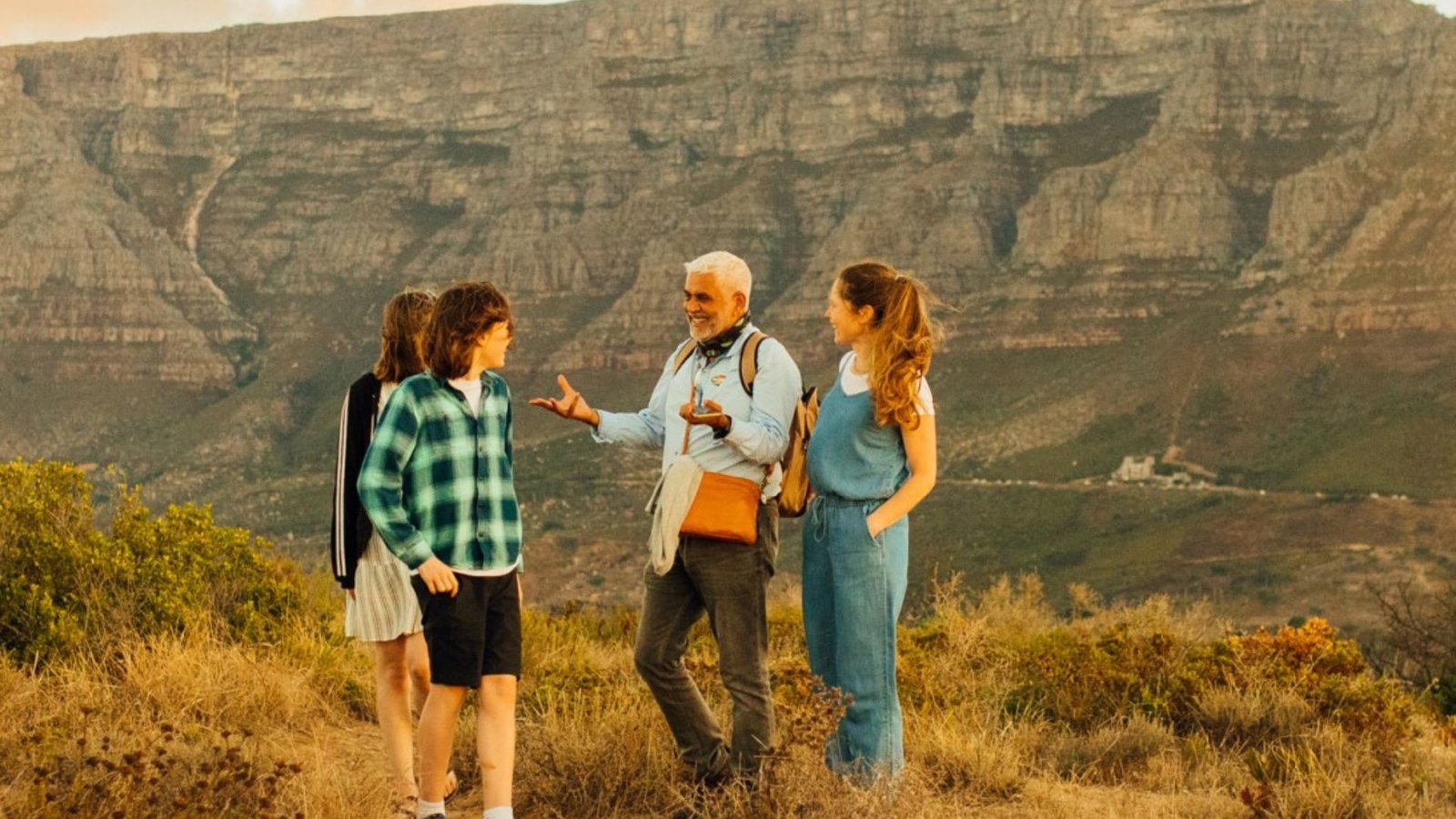
Engaging with locals during a self-guided tour can enrich your travel experience by providing insights into the culture, history, and daily life of the destination. Let’s give you practical tips on how to connect with locals authentically and meaningfully.

Tips for Engaging with Locals on a Self-Guided Tour

1. Strike Up Conversations

One of the best ways of engaging with locals is to initiate conversations. Whether you’re at a cafĂ©, market, or public park, be open and friendly. Start with simple greetings and questions about the local area, such as recommendations for places to visit or eat. Most people are happy to share their knowledge and might even offer insider tips.

Engaging with Locals on a Self-Guided Tour

2. Learn Basic Phrases in the Local Language

Learning a few phrases in the local language shows respect and demonstrates your interest in connecting with the culture. Start with greetings, “please,” “thank you,” and simple questions. Locals appreciate the effort, even if you’re not fluent, and it can break the ice for further conversation.

3. Participate in Local Activities

Immerse yourself in the community by participating in local activities or events. Whether it’s a cultural festival, cooking class, or traditional dance performance, these experiences allow you to interact with locals in their element. It’s a chance to learn firsthand about traditions and customs.

4. Explore Neighborhoods Off the Beaten Path

Venture beyond tourist hotspots and explore residential neighbourhoods or smaller towns. Visit local markets, bakeries, and family-run shops. These places often provide authentic glimpses into daily life and opportunities to interact with residents who are less accustomed to tourists.

5. Stay in Homestays or Guesthouses

Opting for accommodations such as homestays or guesthouses owned by locals fosters direct interaction. Hosts can offer invaluable insights into the area, recommend hidden gems, and share personal stories. It’s a chance to experience hospitality and make genuine connections.

6. Support Local Businesses

Choose to dine at local eateries and shop at neighbourhood stores rather than international chains. Engaging with owners and staff allows you to learn about regional cuisine, craftsmanship, and products unique to the area. Your patronage contributes directly to the local economy.

7. Join Guided Walking Tours Led by Locals

Many destinations offer guided walking tours led by locals passionate about sharing their knowledge. These tours often delve into history, culture, and urban legends, providing a deeper understanding of the area’s heritage. It’s an opportunity to ask questions and interact with guides.

8. Attend Cultural Workshops or Classes

Enroll in workshops such as pottery-making, traditional dance, or language lessons. These hands-on activities foster interaction with instructors and fellow participants, creating memorable experiences and insights into local artistry and skills.

9. Volunteer for Local Initiatives

If time allows, consider volunteering for community projects or environmental initiatives. Whether it’s beach clean-ups, teaching English, or assisting at local charities, volunteering allows you to contribute positively while forming meaningful connections with locals.

10. Follow Social Media Groups and Local Events

Before and during your trip, follow social media groups, local event listings, and community forums. These platforms often highlight upcoming gatherings, markets, and cultural happenings where you can meet residents and engage in local activities.

11. Respect Local Customs and Etiquette

Respect for local customs, traditions, and etiquette is crucial when engaging with locals. Observe dress codes, greet people appropriately, and be mindful of cultural sensitivities. Showing respect enhances interactions and fosters mutual understanding.

12. Ask for Recommendations

Seek recommendations from locals for lesser-known attractions, scenic spots, or favourite dining spots. Locals’ insights often lead to hidden gems that aren’t in guidebooks. By showing interest in their recommendations, you’re likely to receive genuine and personalized suggestions.

13. Attend Public Events and Festivals

Public events and festivals showcase a destination’s culture and community spirit. Whether it’s a religious celebration, music festival, or sporting event, these gatherings offer opportunities to mingle with locals, enjoy traditional performances, and sample regional delicacies.

14. Use Local Transportation

Opt for local transportation options like buses, trams, or shared taxis instead of private tours or rental cars. Using public transport not only saves money but also provides opportunities to interact with fellow passengers and observe everyday life on the move.

15. Stay Curious and Open-Minded

Approach interactions with curiosity and an open mind. Embrace differences in perspectives, lifestyles, and beliefs. Asking questions respectfully and listening attentively allows for meaningful exchanges and broadens your cultural understanding.

Conclusion

Engaging with locals on a self-guided tour is more than just a means of gathering information; it’s about forging connections, gaining insights, and creating memorable experiences. By following these tips, you can immerse yourself in the local culture authentically, enriching your journey with unique perspectives and friendships along the way.

Explore City Murals
Urban Art: Explore City Murals

A self-guided tour of city murals offers an engaging journey through the vibrant and colorful world of urban art. Murals transform cityscapes into dynamic canvases, showcasing creativity, cultural messages, and local talent. This guide will help you navigate your tour of city murals, allowing you to experience the artistic expressions that add depth and vibrancy to your city.

Explore City Murals
Explore City Murals

Plan Your Mural Route

Begin by researching the most prominent and influential murals in your area. Look for a mix of large-scale works, community-driven projects, and hidden artistic gems. Utilize local art guides, online resources, and community recommendations to compile a list of must-see murals. Planning your route ensures you explore a diverse range of artistic styles and themes.

Start with Iconic Murals

Kick off your tour with visits to iconic murals that have become landmarks in your city. These murals often feature bold designs, significant cultural messages, or collaborations with well-known artists. Take time to appreciate the scale and detail of these works, and reflect on the stories and themes they represent.

Explore Neighborhood Murals

Next, delve into neighborhoods known for their vibrant mural scenes. Many communities embrace street art as a form of cultural expression, resulting in colorful and diverse murals throughout the area. Wander through these neighborhoods, observing how the murals contribute to the local atmosphere and community identity.

Discover Emerging Artists

Include visits to areas where emerging and local artists display their work. These murals often feature experimental techniques, fresh perspectives, and evolving styles. Exploring these pieces allows you to see the next wave of artistic talent and appreciate the innovation in the urban art scene.

Visit Collaborative Projects

Incorporate visits to murals created through collaborative projects between artists, organizations, and community groups. These works often reflect collective efforts to beautify public spaces, address social issues, or celebrate local culture. Engaging with these murals highlights the power of art to unite and inspire communities.

Engage with Art Installations

Look for murals that are part of larger art installations or street art festivals. These installations often feature a series of interconnected artworks or temporary displays that add a unique dimension to your tour. Enjoy the diversity of artistic approaches and the creativity involved in these dynamic projects.

Capture the Art and Atmosphere

Document your tour by taking photographs of the murals you encounter. Capture the vibrant colors, intricate details, and the context of each piece within its urban setting. Keeping a visual record helps you remember the highlights of your tour and share your discoveries with others.

Reflect on Urban Art’s Impact

After completing your tour, take time to reflect on the impact of urban art on your city. Consider how murals enhance public spaces, express cultural values, and contribute to the city’s identity. Reflecting on these aspects helps you appreciate the role of urban art in shaping and enriching city life.

Conclusion

A self-guided tour of city murals offers an exciting exploration of urban art and creativity. By planning your route, visiting iconic murals, exploring neighborhoods, discovering emerging artists, and engaging with collaborative projects, you gain a deeper appreciation for the artistic expressions that enliven your city. Enjoy the journey through your city’s vibrant mural scene and let each artwork reveal the unique creativity that makes these murals special.

Explore local parks and gardens at your own pace.

Exploring local parks and gardens offers a refreshing escape from the hustle and bustle of daily life. Crafting a self-guided tour allows you to enjoy these green spaces at your own pace, making for a personalized and relaxing experience. Here’s how to create an enjoyable and flexible exploration of parks and gardens in your area.

1. Identify Local Parks and Gardens

Start by identifying the parks and gardens you’d like to visit:

  • Online Research: Use search engines and local directories to find parks and gardens near you.
  • Community Recommendations: Ask locals or check community forums for hidden gems and popular spots.
  • Personal Preferences: Choose locations based on your interests, such as botanical gardens, historical parks, or serene green spaces.

2. Plan Your Itinerary

Create a flexible itinerary to guide your exploration:

  • Map Out Locations: Use mapping tools to plot out the parks and gardens you want to visit.
  • Route Planning: Organize your route to minimize travel time between locations.
  • Timing: Decide how long you want to spend at each site, allowing for breaks and spontaneous exploration.
Explore local parks and gardens at your own pace.

3. Gather Information

Collect useful information about each park and garden:

  • Features and Highlights: Research the main attractions, such as flower beds, sculptures, or scenic viewpoints.
  • Opening Hours: Check the operating hours and any entry requirements.
  • Accessibility: Ensure the locations are accessible and suitable for your visit.

4. Prepare for Your Tour

Get ready for your self-guided park and garden tour:

  • Comfortable Attire: Wear comfortable clothing and sturdy shoes for walking.
  • Essentials: Pack a water bottle, snacks, sunscreen, and a camera.
  • Weather Check: Review the weather forecast and dress accordingly.

5. Enjoy Your Exploration

As you explore each park and garden:

  • Take Your Time: Move at your own pace, enjoying the beauty and tranquility of each space.
  • Observe and Relax: Take time to appreciate the natural surroundings and relax in serene spots.
  • Capture Moments: Photograph interesting features and memorable views.

6. Share Your Experience

After your exploration:

  • Write a Review: Share your experiences and observations about the parks and gardens you visited.
  • Social Media: Post photos and highlights of your tour to inspire others.
  • Recommendations: Offer tips and suggestions for fellow explorers looking to visit similar green spaces.

7. Reflect and Explore Further

Reflect on your experience and consider future explorations:

  • Update Your Itinerary: Add new parks or gardens you discover during your visits.
  • Plan Additional Visits: Use your experiences to plan further self-guided tours of other green spaces.

Conclusion

Exploring local parks and gardens at your own pace allows you to enjoy nature and find relaxation in beautiful green spaces. By planning a self-guided tour, you can tailor your experience to your preferences and discover the unique charm of each location. Enjoy the journey and the peace that nature provides!

A lady Planning a Self-Guided Tour in a Foreign Country
Tips for Planning a Self-Guided Tour in a Foreign Country

Planning a self-guided tour in a foreign country can be an exciting adventure, offering flexibility and the chance to explore at your own pace. Whether you’re navigating bustling cities or serene countryside, careful planning ensures a smooth and enjoyable experience. Let’s give you ways how to plan your next international adventure seamlessly.

Planning a Self-Guided Tour in a Foreign Country

1. Choose Your Destination Wisely

The first step in planning a self-guided tour abroad is selecting a destination that matches your interests and travel preferences. Consider factors such as climate, language spoken, cultural attractions, and safety. Research destinations are known for welcoming tourists and offering diverse experiences.

A person Planning a Self-Guided Tour in a Foreign Country
Planning a Self-Guided Tour in a Foreign Country

2. Research Visa and Entry Requirements

Before booking your trip, check the visa requirements and entry regulations for your destination country. Some countries require visas obtained in advance, while others offer visa-free entry or visas on arrival. Ensure your passport is valid for at least six months beyond your travel dates.

3. Create a Flexible Itinerary

Outline a tentative itinerary that includes major landmarks, activities, and attractions you wish to visit. Allow flexibility for spontaneous discoveries and unforeseen circumstances. Prioritize your must-see locations but leave room for adjustments based on local recommendations or weather conditions.

4. Budget and Finances

Determine your budget for the trip, considering transportation, accommodation, meals, activities, and travel insurance. Research the cost of living in your destination and allocate funds accordingly. Notify your bank of your travel plans to avoid issues with using credit or debit cards abroad.

5. Accommodation Options

Explore accommodation options that suit your travel style and budget. From hotels and hostels to vacation rentals and guesthouses, choose accommodations located conveniently for exploring attractions on your self-guided tour. Booking.com and Airbnb offer a range of choices with user reviews for guidance.

6. Transportation

Research transportation options within your destination, including public transport networks, rental cars, and bike rentals. Determine the most convenient and cost-effective mode of transport for exploring each city or region on your itinerary. Consider downloading local transportation apps for navigation and schedules.

7. Local Language and Culture

Learn a few basic phrases in the local language to facilitate communication and show respect for the culture. Familiarize yourself with local customs, etiquette, and traditions to avoid unintentional misunderstandings. Engaging with locals can enrich your experience and provide insider tips.

8. Safety Precautions

Prioritize safety during your self-guided tour by researching safety advisories and common scams in your destination. Keep copies of important documents, such as your passport and emergency contact information. Share your itinerary with family or friends and stay informed about local emergency procedures.

9. Travel Insurance

Obtain comprehensive travel insurance that covers medical emergencies, trip cancellations, and theft or loss of belongings. Ensure your policy includes coverage for activities you plan to undertake, such as hiking, water sports, or adventurous excursions.

10. Health Considerations

Consult your healthcare provider regarding necessary vaccinations or health precautions specific to your destination. Pack essential medications and a first-aid kit, including items for common travel ailments like motion sickness or insect bites.

11. Weather and Seasonal Considerations

Research the climate and weather patterns of your destination during your travel dates. Pack appropriate clothing and gear for varying conditions, whether you’re exploring cities, beaches, mountains, or jungles. Check local forecasts closer to your departure for updated information.

12. Local Cuisine and Dining

Experience the local cuisine by sampling traditional dishes and exploring culinary hotspots recommended by locals or travel guides. Consider dietary restrictions or preferences when choosing restaurants or street food vendors, and prioritize hygiene and food safety.

13. Technology and Apps

Download useful travel apps for navigation, translation, currency conversion, and local recommendations. Apps like Google Maps, Duolingo, XE Currency, and TripAdvisor can enhance your self-guided tour experience by providing real-time information and user reviews.

14. Stay Connected

Ensure access to communication by purchasing a local SIM card or activating an international data plan for your smartphone. Staying connected allows you to access maps, stay in touch with loved ones, and seek assistance if needed during your travels.

15. Respect the Environment

Practice responsible tourism by minimizing your environmental impact. Dispose of waste properly, respect wildlife and natural habitats, and support eco-friendly businesses and activities. Leave each destination as pristine as you found it for future travellers to enjoy.

Conclusion

Planning a self-guided tour in a foreign country requires thorough research, organization, and a sense of adventure. By following these tips, you can create an itinerary that maximizes your exploration while respecting local culture and ensuring your safety and comfort. Embrace the freedom of self-guided travel and embark on a memorable journey filled with discovery and new experiences.

hidden gems
Discover hidden gems in your city with a self-guided map.

Discovering hidden gems in your city can transform a routine day into an adventure. Using a self-guided map, you can explore off-the-beaten-path locations and uncover spots that are often overlooked by the average visitor. Here’s how to create your own self-guided map to uncover these local treasures.

1. Research Hidden Gems

Start by identifying lesser-known spots in your city:

  • Local Recommendations: Ask friends, family, or locals for their favorite hidden gems.
  • Online Resources: Use blogs, social media, and local forums to find unique spots.
  • Personal Interests: Consider what you enjoy—be it quirky shops, secret parks, or hidden eateries.

2. Create a Map

Design a self-guided map to navigate your chosen hidden gems:

  • Mapping Tools: Use online mapping tools like Google Maps to plot out locations.
  • Custom Markers: Add custom markers for each hidden gem you want to explore.
  • Route Planning: Design a route that logically connects your selected spots.

3. Plan Your Itinerary

Organize your exploration to maximize your time:

  • Grouping Locations: Cluster nearby hidden gems to minimize travel time.
  • Timing: Allocate time for each spot and include breaks or dining options.
  • Flexibility: Allow for spontaneity and additional discoveries along the way.

4. Gather Information

Collect details about each hidden gem to enhance your visit:

  • Unique Features: Note what makes each location special or unique.
  • Tips and Tricks: Look for any insider tips or best times to visit.
  • Accessibility: Check for any accessibility considerations or local regulations.
hidden gems
hidden gems

5. Prepare for Your Tour

Before heading out, ensure you’re well-prepared:

  • Comfortable Gear: Wear comfortable clothing and shoes for walking.
  • Essentials: Bring along items like a water bottle, snacks, and a camera.
  • Weather Check: Check the weather forecast and dress accordingly.

6. Explore and Enjoy

As you visit each hidden gem:

  • Take Notes: Record your impressions and any unique aspects of each spot.
  • Capture Photos: Document your journey with photos of the hidden gems.
  • Engage Locals: If you meet locals, ask for their additional recommendations.

7. Share Your Discoveries

After your exploration:

  • Write a Review: Share your experiences and insights about the hidden gems you discovered.
  • Social Media: Post about your adventure and highlight your favorite spots.
  • Recommendations: Offer tips and recommendations for others looking to explore hidden gems in your city.

8. Reflect and Adjust

Reflect on your self-guided map and explore further:

  • Update Your Map: Add new discoveries or refine your route based on your experience.
  • Plan Future Tours: Use what you’ve learned to plan additional self-guided tours.

Conclusion

Using a self-guided map to discover hidden gems in your city offers a unique and personal exploration experience. By carefully researching, planning, and documenting your journey, you can uncover the secret spots that make your city special. Enjoy the adventure and the satisfaction of finding those hidden treasures!

Documenting Self-Guided Tours

Documenting your self-guided tours is more than just taking photos; it’s about preserving memories and crafting narratives that reflect the essence of your travel experiences. Whether you’re trekking through remote trails, exploring historic landmarks, or immersing yourself in local culture, documenting your journey allows you to relive moments and share your adventures with others. Here are some effective ways to document your self-guided tours:

Documenting Self-Guided Tours

Choose Your Tools Wisely

Start by selecting the right tools for documenting your journey. A high-quality camera or smartphone with a good camera function is essential for capturing stunning visuals. Ensure you have enough storage space for photos and videos, and consider bringing spare batteries or a portable charger to keep your devices powered throughout the day. Additionally, carry a sturdy journal or use a note-taking app on your phone to jot down thoughts, observations, and reflections as you explore.

Capture the Essence of Each Location

When photographing or filming your self-guided tour, focus on capturing the essence and uniqueness of each location. Look for interesting angles, play with light and shadows, and zoom in on details that tell a story. Whether it’s the intricate architecture of a historical monument, the vibrant colors of a local market, or the serene beauty of a natural landscape, each image should evoke the atmosphere and emotions you experienced firsthand.

Tell Stories Through Your Documentation

Beyond visuals, storytelling enhances the depth of your documentation. Use your journal or digital notes to write about your daily adventures, interactions with locals, and personal reflections. Describe the sights, sounds, and smells that made each moment memorable. Share anecdotes, funny incidents, or challenges you encountered along the way. By weaving together photos and narratives, you create a comprehensive and engaging story of your self-guided tour.

Embrace Multimedia Approaches

Consider using a combination of photos, videos, and written content to document your journey. Record short video clips to capture dynamic scenes, such as bustling street markets or panoramic views from a mountaintop. Use photo collages or slideshows to showcase highlights from each day of your tour. Incorporate captions or brief descriptions to provide context and share interesting facts about the places you visit.

Reflect and Share

Documenting your self-guided tour isn’t just about recording moments; it’s also about reflecting on your experiences and sharing them with others. Take time each evening to review your photos, read through your journal entries, and relive the highlights of the day. Share your documented journey with friends and family through social media, blogs, or personalized photo albums. Your documentation not only preserves memories for yourself but also inspires others to embark on their own self-guided adventures.

Reflecting on Your Journey: Finding Meaning in Your Documentation

Reflecting on your journey through the documentation of your self-guided tours adds depth and meaning to your travel experiences. Use your journal or digital notes to revisit moments of personal growth, cultural discoveries, and unexpected encounters with locals. Reflect on how each destination impacted you emotionally, intellectually, and spiritually. Documenting your thoughts allows you to gain insights into yourself and the world around you, fostering a deeper appreciation for the diverse landscapes and cultures you’ve explored.

Sharing Your Adventures: Inspiring Others Through Your Documentation

Sharing your documented self-guided tours with others can inspire and inform fellow travelers. Whether through social media posts, travel blogs, or community forums, your documentation serves as a valuable resource for those planning similar journeys. Share practical tips, recommendations for must-see sights, and insights into local customs and traditions. By sharing your adventures, you contribute to a global community of travelers, encouraging exploration and fostering cultural understanding across borders. Your documented experiences have the power to ignite wanderlust and empower others to embark on their own self-guided adventures, enriching their lives through meaningful travel experiences.

Conclusion

Documenting your self-guided tours enhances your travel experience by capturing memories and creating lasting impressions. Whether through photography, journaling, or multimedia storytelling, your documentation becomes a tangible record of your adventures and a source of inspiration for future explorations. Embrace the art of storytelling, immerse yourself in each moment, and let your documented journey serve as a testament to the beauty and diversity of the places you’ve discovered on your self-guided tours.


Viewpoints to Discover on Self-Guided Driving Tours
Amazing Viewpoints to Discover on Self-Guided Driving Tours

When planning your next adventure, exploring viewpoints to discover can offer some of the most breathtaking experiences. Whether you’re a nature enthusiast, a photography buff, or simply enjoy scenic drives, these viewpoints promise stunning panoramas and memorable moments. Let’s dive into some of the top spots around the world where you can enjoy remarkable vistas right from the comfort of your car.

Viewpoints to Discover on Self-Guided Driving Tours

1. Glacier Point, Yosemite National Park, USA

Yosemite National Park in California boasts viewpoints to discover like Glacier Point, offering a bird’s-eye view of Yosemite Valley, Half Dome, and Yosemite Falls. This easily accessible viewpoint is perfect for sunrise or sunset photography.

Viewpoints to Discover on Self-Guided Driving Tour

2. Cape Point, South Africa

At the southern tip of the Cape Peninsula in South Africa, Cape Point offers dramatic ocean views where the Atlantic and Indian Oceans meet. It’s a great spot to spot wildlife and enjoy the rugged coastal scenery.

3. Trollstigen, Norway

In Norway, Trollstigen (Troll’s Path) winds through steep mountainsides and includes several viewpoints to discover that overlook cascading waterfalls and the dramatic Geirangerfjord. The road itself is an engineering marvel, adding to the adventure.

4. Great Ocean Road, Australia

This iconic road along Australia’s southeastern coast features numerous viewpoints to discover, including the Twelve Apostles and Loch Ard Gorge. Each stop offers stunning views of limestone cliffs and rock formations against the backdrop of the Southern Ocean.

5. Icefields Parkway, Canada

Stretching through the Canadian Rockies, the Icefields Parkway is renowned for its scenic beauty and numerous viewpoints to discover. Highlights include Peyto Lake, Bow Lake, and the Columbia Icefield, where glaciers flow down from the peaks.

6. Big Sur, California, USA

Along the rugged coastline of central California, Big Sur offers some of the most picturesque viewpoints to discover in the United States. Bixby Creek Bridge and McWay Falls are must-see stops along this stunning stretch of Highway 1.

7. Fiordland National Park, New Zealand

On New Zealand’s South Island, Fiordland National Park is home to Milford Sound, a fjord surrounded by towering cliffs and waterfalls. Boat cruises and viewpoints to discover along the Milford Road provide unparalleled views of this UNESCO World Heritage site.

8. Santorini, Greece

The island of Santorini in the Aegean Sea is famous for its white-washed buildings and stunning sunsets. The town of Oia offers viewpoints to discover where you can capture the iconic blue domes against the backdrop of the caldera.

9. Grand Canyon, Arizona, USA

No list of viewpoints to discover would be complete without mentioning the Grand Canyon. Several viewpoints along the South Rim, such as Mather Point and Yavapai Point, offer sweeping vistas of this natural wonder carved by the Colorado River.

10. Mount Fuji, Japan

During the climbing season or from designated viewpoints to discover, Mount Fuji provides a majestic backdrop to the surrounding lakes and countryside. The views are especially breathtaking during cherry blossom season in spring or when adorned with snow in winter.

Tips for Enjoying Viewpoints

  1. Plan Ahead: Check weather conditions and sunrise/sunset times for the best light.
  2. Pack Essentials: Bring water, snacks, and camera equipment to capture the moment.
  3. Respect Nature: Follow trail etiquette and stay on designated paths to preserve the environment.
  4. Safety First: Be cautious near cliffs and follow all posted signs and guidelines.
  5. Time Your Visit: Some viewpoints may be crowded during peak times, so consider visiting early morning or late afternoon for a quieter experience.

Conclusion

Exploring viewpoints discovered on self-guided driving tours allows you to immerse yourself in the natural beauty and cultural richness of diverse landscapes around the globe. Whether you’re drawn to mountains, oceans, or historic landmarks, these viewpoints offer a glimpse into the awe-inspiring wonders of our planet. So, grab your map, pack your essentials, and embark on a journey to discover these breathtaking vistas firsthand.

Create Your Own Walking Tour of Historical Landmarks

Exploring historical landmarks offers a deep dive into the rich tapestry of a city’s past. Creating your own walking tour allows you to discover these sites at your own pace, focusing on what interests you most. Here’s how to design a memorable walking tour of historical landmarks tailored to your preferences.

1. Research Historical Landmarks

Start by researching historical landmarks in your area or destination. Look for:

  • Famous Sites: Iconic landmarks known for their historical significance.
  • Hidden Gems: Lesser-known but interesting sites with unique stories.
  • Architectural Highlights: Buildings and monuments that showcase historical architectural styles.

2. Define Your Tour Theme

Decide on a theme or focus for your tour, such as:

  • Architectural Evolution: Trace the development of architectural styles through various periods.
  • Historical Events: Focus on landmarks associated with major historical events.
  • Local Legends: Explore sites tied to local myths and stories.
Create Your Own Walking Tour of Historical Landmarks

3. Plan Your Route

Map out your walking route to ensure a logical flow between sites:

  • Start and End Points: Choose a starting and ending point that makes sense for your route.
  • Distance and Duration: Plan a route that suits your walking pace and time available.
  • Landmark Grouping: Group nearby landmarks together to minimize travel time.

4. Gather Information

Collect information about each landmark to enrich your tour:

  • Historical Context: Research the history and significance of each site.
  • Interesting Facts: Look for unique details or anecdotes related to the landmarks.
  • Visiting Tips: Check for opening hours, entry requirements, and any special features.

5. Create a Custom Itinerary

Develop an itinerary that outlines your walking tour:

  • Stop-by-Stop Guide: List each landmark, including its address, historical significance, and any special notes.
  • Timing: Estimate how long you’ll spend at each site and include time for breaks and exploration.
  • Map: Create a map highlighting your route and landmarks.

6. Prepare for Your Tour

Before you set out, make sure you’re ready:

  • Comfortable Footwear: Wear comfortable shoes suitable for walking.
  • Weather Check: Check the weather forecast and dress appropriately.
  • Supplies: Bring essentials like water, snacks, a camera, and a notebook.

7. Enjoy Your Walk

As you explore each landmark:

  • Take Notes: Jot down interesting facts or reflections about each site.
  • Capture Photos: Document your tour with photos of landmarks and interesting details.
  • Engage with Locals: If possible, talk to local experts or residents for additional insights.

8. Share Your Experience

After your tour:

  • Write a Blog or Review: Share your experience and insights with others.
  • Social Media: Post photos and highlights of your tour on social media.
  • Tour Recommendations: Provide recommendations or tips for others planning a similar tour.

Conclusion

Creating your own walking tour of historical landmarks allows you to experience a city’s history in a personalized and meaningful way. By researching, planning, and preparing thoughtfully, you can craft a tour that highlights the sites that interest you most and offers a deeper connection to the past. Enjoy the journey and the stories behind each landmark as you walk through history.

Hidden Gardens
Choosing the Right Time of Year for a Self-Guided Tour

When planning a self-guided tour, one of the most crucial factors to consider is choosing the right time of year. This decision can significantly impact your experience, from weather conditions to crowd levels and even the availability of attractions. Let’s give you some top tips for choosing the right time of the year for a self-guided tour.

1. Understanding Seasonal Variations

Different times of the year offer unique experiences depending on your destination. Seasons affect everything from weather and natural scenery to local events and cultural activities. Understanding these variations can help you align your tour with the experiences you seek.

Choosing the Right Time of Year for a Self-Guided Tour

2. Weather Considerations

Weather plays a pivotal role in shaping your tour experience. Research typical weather patterns for your destination during different seasons. Consider whether you prefer mild temperatures for outdoor activities, vibrant foliage in autumn, or sunny days for beachside explorations.

3. Peak vs. Off-Peak Seasons

Peak seasons typically coincide with holidays, festivals, or optimal weather conditions. While this period offers lively atmospheres and full schedules of events, it also means larger crowds and higher prices. Off-peak seasons may provide quieter surroundings and better deals but could limit certain activities due to weather or seasonal closures.

4. Budget Planning

The timing of your tour can significantly impact your budget. Prices for accommodations, flights, and attractions often fluctuate throughout the year. Off-peak seasons generally offer more affordable options, making it easier to stretch your travel budget further.

5. Local Events and Festivals

Research local events and festivals that align with your interests. Planning your tour around these events allows you to immerse yourself in cultural celebrations, culinary experiences, or artistic performances unique to the region.

6. Wildlife and Natural Phenomena

Nature enthusiasts should consider seasonal wildlife migrations, blooming periods for flora, or natural phenomena like the Northern Lights. Planning your tour during these times ensures you witness these natural wonders at their peak.

7. Avoiding Extreme Weather Conditions

Be mindful of extreme weather conditions such as hurricanes, monsoons, or extreme cold. These conditions not only affect your comfort but also your safety during outdoor activities. Choose a time of year when weather risks are minimal for your chosen destination.

8. Local Holidays and Public Holidays

Be aware of local holidays and public holidays that may affect business hours, transportation schedules, or accessibility to certain attractions. Adjust your tour dates accordingly to maximize your sightseeing opportunities.

9. Personal Preferences and Tolerance Levels

Consider your personal preferences and tolerance levels for weather conditions, crowd sizes, and availability of services. Your ideal tour timing should align with what makes you comfortable and enhances your overall enjoyment of the experience.

10. Time for Relaxation and Exploration

Factor in sufficient time for relaxation and spontaneous exploration. Choosing a quieter season may allow for more relaxed sightseeing experiences and opportunities to discover hidden gems off the beaten path.

11. Consulting Local Expertise

Seek advice from locals or travel experts familiar with your destination. They can provide invaluable insights into the best times to visit based on local nuances, climate changes, and seasonal highlights.

12. Flexibility in Planning

Maintain flexibility in your tour planning. Weather patterns can vary, and unexpected events may influence your itinerary. Having alternative activities or backup plans ensures you make the most of your time, regardless of unforeseen circumstances.

13. Researching Destination-Specific Factors

Each destination has its unique factors to consider, such as monsoon seasons in Southeast Asia or ski conditions in mountainous regions. Tailor your research to understand these destination-specific factors thoroughly.

14. Booking Accommodations and Transportation

This proactive approach ensures you have the flexibility to choose from a variety of options that suit your preferences and budget.

15. Environmental Considerations

Respect environmental conservation efforts by choosing responsible travel practices. Opt for eco-friendly tours or activities that minimize your ecological footprint, contributing positively to the places you visit.

Conclusion

Choosing the right time of year for a self-guided tour involves careful consideration of weather conditions, crowd levels, local events, and personal preferences. By planning strategically and staying informed, you can create an enriching travel experience that aligns perfectly with your interests and expectations.