Search for:
Pathfinder's Journey
Plan your own hiking trail through scenic landscapes.

Planning your own hiking trail through scenic landscapes offers a rewarding way to connect with nature and enjoy stunning vistas at your own pace. By designing a personalized route, you can explore beautiful scenery and create a hiking experience tailored to your interests. Here’s how to plan and enjoy your self-guided hiking adventure.

1. Choose Your Scenic Destinations

Begin by selecting the scenic landscapes you want to explore:

  • Research Local Trails: Look for popular hiking areas known for their picturesque views and natural beauty.
  • Identify Scenic Spots: Find locations with stunning vistas, waterfalls, mountain peaks, or unique geological features.
  • Personal Preferences: Choose landscapes that align with your interests, such as forests, coastlines, or high-altitude areas.

2. Plan Your Hiking Route

Plan your own hiking trail through scenic landscapes.

Design a detailed itinerary for your hiking trail:

  • Map Out Your Route: Use mapping tools and trail guides to plot your hiking path through the chosen scenic areas.
  • Route Optimization: Plan your route to include key viewpoints and avoid backtracking. Ensure the trail matches your fitness level and experience.
  • Timing: Allocate time for each segment of the hike, including breaks for rest and photo opportunities.

3. Gather Trail Information

Collect essential details to ensure a safe and enjoyable hike:

  • Trail Maps: Obtain up-to-date trail maps and navigation aids for the area you’ll be hiking.
  • Difficulty Level: Assess the difficulty level of the trail and any technical challenges it may present.
  • Weather Conditions: Check the weather forecast and prepare for potential changes in weather conditions.

4. Prepare for Your Hike

Ensure you’re fully prepared for your hiking adventure:

  • Gear and Equipment: Wear appropriate hiking gear, including sturdy boots, weather-appropriate clothing, and a backpack with essentials.
  • Essentials: Pack essentials such as a map, compass, first aid kit, plenty of water, snacks, and a camera.
  • Safety Precautions: Inform someone of your hiking plans and estimated return time. Carry a fully charged phone and emergency contact information.

5. Enjoy Your Hiking Experience

As you hike through scenic landscapes:

  • Pace Yourself: Hike at a comfortable pace and take breaks to enjoy the views and rest.
  • Engage with Nature: Observe and appreciate the natural beauty, wildlife, and unique features of the landscape.
  • Capture Memories: Take photos of breathtaking views and interesting landmarks along the trail.

6. Share Your Hiking Adventure

After your hike, share your experience with others:

  • Write a Review: Document your hiking experience, highlighting the scenic spots and any challenges you encountered.
  • Social Media: Post photos and insights about your hiking trail and the landscapes you explored.
  • Recommendations: Offer tips and suggestions for others interested in hiking similar trails.

7. Reflect and Explore Further

Reflect on your hiking adventure and consider future explorations:

  • Update Your Trail List: Add new scenic trails or landscapes to your hiking list based on your experience.
  • Plan New Hikes: Design additional hiking routes to explore different areas or focus on specific types of landscapes.

Conclusion

Planning your own hiking trail through scenic landscapes allows you to create a personalized outdoor adventure that showcases the natural beauty of your surroundings. By carefully designing your route, preparing adequately, and immersing yourself in the scenery, you can enjoy a rewarding and memorable hiking experience. Embrace the journey and the stunning views along the way!
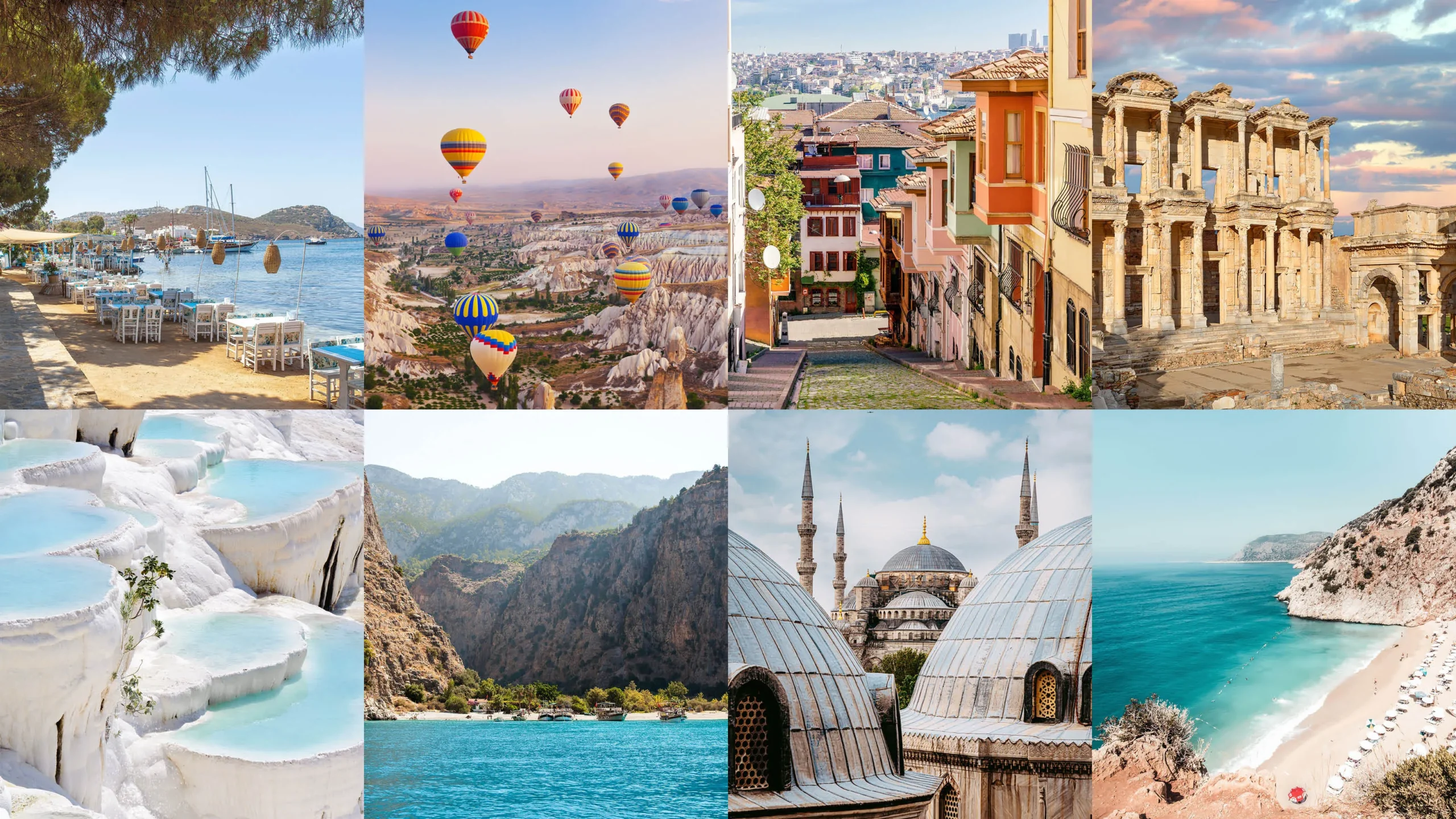

Experience traditional crafts and cultural spots independently.

Exploring traditional crafts and cultural spots independently offers a unique opportunity to immerse yourself in the rich heritage and artistry of your area. Designing a self-guided tour allows you to experience local traditions, visit artisan workshops, and discover cultural landmarks at your own pace. Here’s how to plan and enjoy an independent tour focused on traditional crafts and cultural experiences.

1. Research Traditional Crafts and Cultural Spots

Begin by identifying key locations that showcase local crafts and cultural heritage:

  • Artisan Workshops: Find workshops or studios where traditional crafts are made, such as pottery, weaving, or woodworking.
  • Cultural Landmarks: Locate museums, galleries, or historical sites that highlight regional culture and history.
  • Local Markets: Explore markets known for selling handmade crafts and local goods.

2. Plan Your Itinerary

Create a flexible itinerary for your self-guided tour:

  • Map Out Locations: Use mapping tools to plot out the crafts and cultural spots you want to visit.
  • Route Planning: Arrange your stops in a logical order to optimize travel time and enhance your experience.
  • Timing: Allocate sufficient time for each stop, including time for shopping, workshops, or guided tours if available.
Experience traditional crafts and cultural spots independently.

3. Gather Information

Collect essential details to enhance your exploration:

  • Craft Details: Research the traditional crafts you’ll encounter and the techniques used by local artisans.
  • Cultural Context: Learn about the historical and cultural significance of the sites you’ll visit.
  • Visiting Information: Check the opening hours, entry requirements, and any special events or exhibitions.

4. Prepare for Your Tour

Ensure you’re well-prepared for your independent exploration:

  • Comfortable Attire: Wear comfortable clothing and shoes suitable for walking and potentially participating in workshops.
  • Essentials: Bring items like a notebook, camera, and reusable shopping bags for any crafts you may purchase.
  • Weather Check: Review the weather forecast and dress accordingly.

5. Explore and Engage

As you visit each craft and cultural site:

  • Observe Techniques: Take note of the craftsmanship and techniques used by artisans.
  • Engage with Artisans: If possible, interact with the artisans to learn more about their work and inspirations.
  • Take Photos: Capture images of crafts, cultural landmarks, and any unique features you encounter.

6. Share Your Experience

After your tour, share your experiences with others:

  • Write a Blog or Review: Document your journey and highlight your favorite crafts and cultural spots.
  • Social Media: Post photos and insights about the traditional crafts and landmarks you explored.
  • Recommendations: Provide tips and suggestions for others interested in exploring similar cultural experiences.

7. Reflect and Expand

Reflect on your self-guided tour and consider future explorations:

  • Update Your List: Add new crafts or cultural sites you discover during your tour.
  • Plan New Tours: Design additional self-guided tours focusing on different crafts, cultural themes, or regions.

Conclusion

Experiencing traditional crafts and cultural spots independently allows you to deeply engage with the heritage and artistry of your area. By planning a self-guided tour and immersing yourself in local traditions, you can create a meaningful and enriching exploration that highlights the unique cultural aspects of your region. Enjoy your journey through the world of crafts and cultural landmarks!

A man Solo Travelling on Self-Guided Tours
Top Tips for Solo Travellers on Self-Guided Tours

Solo travellers embarking on self-guided tours have the freedom to explore destinations at their own pace, making it a rewarding and adventurous experience. Whether you’re planning a hiking expedition, cultural exploration, or wildlife safari, these tips will ensure your journey is enjoyable and safe. Let’s give you the tips in full detail!

Tips for Solo Travellers on Self-Guided Tours

Embrace Independence and Flexibility

One of the greatest advantages of solo travel on self-guided tours is the freedom to set your itinerary and travel at your preferred pace. You can tailor your experience to focus on personal interests without compromising on anyone else’s preferences.

A lady Solo Travelling on Self-Guided Tours
Solo Travellers on Self-Guided Tours

Plan and Research Extensively

Before setting off on your adventure, thorough planning is essential. Research your destination, including safety information, local customs, and transportation options. Make a list of must-see attractions and activities to make the most of your time.

Choose Safe and Suitable Destinations

Consider factors such as language barriers, healthcare availability, and ease of navigation. Tourist-friendly cities or well-marked hiking trails are excellent choices for solo adventurers.

Pack Light and Smart

Packing light is key to solo travel convenience. Choose versatile clothing and essential items, including a reliable backpack, comfortable walking shoes, a first aid kit, and necessary travel documents. Minimize the weight to ease mobility during your tour.

Stay Connected and Informed

Maintain communication with friends, family, or fellow travellers by sharing your itinerary and regular updates. Carry a fully charged mobile phone with local SIM card or roaming plan for emergencies and navigation assistance.

Engage with Locals and Fellow Travelers

Solo travel offers ample opportunities to meet new people and immerse yourself in local culture. Strike up conversations with locals at cafes, markets, or tourist sites. Join guided tours or group activities to enhance your experience and make meaningful connections.

Trust Your Instincts and Stay Alert

While exploring unfamiliar surroundings, trust your instincts and practice situational awareness. Stay alert in crowded areas or secluded spots, and avoid risky behaviour or late-night outings alone. Use well-lit paths and secure accommodations.

Budget Wisely and Track Expenses

Solo travel requires careful budgeting to manage expenses effectively. Plan for accommodation, meals, transportation, and activities within your financial means. Keep track of spending to avoid unexpected costs and ensure a stress-free journey.

Enjoy Solitude and Self-Reflection

Embrace moments of solitude during your solo travel on self-guided tours. Use the time for self-reflection, journaling, or simply enjoying the serenity of natural landscapes. Solo travel provides a unique opportunity for personal growth and introspection.

Capture Memories and Document Your Journey

Document your travel experiences through photographs, journal entries, or travel blogs. Capture scenic views, local cuisine, and memorable encounters to relive your journey and share with others interested in solo travel adventures.

Conclusion

Solo travellers embarking on self-guided tours have the opportunity to explore the world independently, embracing freedom and discovery along the way. By planning, staying informed, and engaging responsibly with local communities, solo travel can be a fulfilling and enriching experience. Whether you’re navigating bustling cities or remote trails, these tips will help you make the most of your solo journey.

City Landmarks
Architectural Wonders: City Landmarks

A self-guided tour of architectural wonders offers a fascinating exploration of your city’s most iconic and innovative structures. From historic landmarks to contemporary designs, architecture reflects the evolution and character of a city. This guide will help you navigate your tour of architectural marvels, allowing you to appreciate the artistry and significance behind each building.

City Landmarks
City Landmarks

Plan Your Architectural Route

Start by researching the most notable architectural landmarks and innovative structures in your area. Look for a mix of historic buildings, modern designs, and unique constructions that showcase diverse architectural styles. Utilize local architecture guides, online resources, and community recommendations to compile a list of must-visit sites. Planning your route ensures you experience a range of architectural achievements.

Begin with Iconic Landmarks

Kick off your tour with visits to iconic architectural landmarks that are celebrated for their design and historical significance. These landmarks often include government buildings, historical monuments, and well-known structures that have become symbols of your city. Take time to appreciate the design elements, historical context, and cultural impact of each site.

Explore Modern Architecture

Next, delve into modern architectural marvels that showcase innovative designs and cutting-edge technology. These structures often feature contemporary materials, sustainable design principles, and striking aesthetics. Enjoy the creativity and forward-thinking approaches as you explore these modern landmarks.

Discover Unique Structures

Include visits to unique structures that stand out for their unusual designs or functions. These can include art installations, experimental buildings, or unconventional public spaces. Exploring these unique sites allows you to see the diversity of architectural experimentation and creativity in your city.

Visit Historical Buildings

Incorporate visits to historical buildings that reflect the architectural styles and craftsmanship of past eras. These buildings often feature classic design elements, such as ornate facades, intricate detailing, and traditional construction methods. Enjoy the beauty and elegance of these historical structures and reflect on their role in your city’s history.

Engage with Architecture Enthusiasts

Take time to engage with architecture enthusiasts, guides, or local historians if available. Many are passionate about architectural design and enjoy sharing their knowledge and insights. Engaging with experts adds depth to your tour and provides valuable perspectives on the significance of the architectural wonders you visit.

Appreciate Design Details

While exploring architectural wonders, take moments to appreciate the design details and features of each building. Notice the materials, structural elements, and decorative touches that contribute to the overall aesthetic. Embracing the design aspects enhances your understanding of the architectural achievements and artistry involved.

Capture the Architectural Highlights

Document your tour by taking photographs of the architectural landmarks and unique structures you discover. Capture the details, perspectives, and overall impressions of each site. Keeping a visual record helps you remember the highlights of your tour and share your architectural discoveries with others.

Reflect on Architectural Impact

After completing your tour, take time to reflect on the impact of architecture on your city. Consider how these landmarks and structures contribute to the city’s identity, cultural heritage, and urban landscape. Reflecting on these aspects helps you appreciate the role of architecture in shaping and defining your city.

Conclusion

A self-guided tour of architectural wonders offers an inspiring exploration of your city’s design achievements. By planning your route, visiting iconic landmarks, exploring modern architecture, discovering unique structures, and engaging with architecture enthusiasts, you gain a deeper appreciation for the artistry and significance behind each building. Enjoy the journey through your city’s architectural marvels and let each site reveal the creativity and innovation that make these structures special.

Cost Savings with Self-Guided Tours

Self-guided tours are not only about freedom and flexibility but also about saving money while exploring the world on your terms. Compared to traditional guided tours, which often come with higher costs due to included amenities and guided services, self-guided tours allow travelers to control their expenses more effectively. Here are several ways self-guided tours can help you save money while still enjoying enriching travel experiences:

Cost Savings with Self-Guided Tours

Flexible Accommodation Options

One of the significant cost-saving advantages of self-guided tours is the ability to choose accommodation based on your budget and preferences. From budget-friendly hostels and guesthouses to vacation rentals and campgrounds, self-guided travelers have the flexibility to find accommodations that suit their financial constraints. This flexibility allows you to allocate your travel budget wisely, potentially saving money that can be redirected towards experiences or activities that matter most to you.

Dining on a Budget

Self-guided tours also provide opportunities to save money on dining expenses. Instead of being restricted to set meal plans or expensive restaurant options often included in guided tours, self-guided travelers can explore local markets, street food vendors, and affordable eateries favored by locals. Sampling authentic cuisine at lower prices not only enhances your cultural experience but also allows you to stretch your budget further while enjoying delicious meals.

Transportation Savings

Transportation costs can significantly impact travel expenses, especially in destinations where guided tours include transportation fees. Self-guided travelers can save money by using public transportation, renting bicycles, or even walking to explore nearby attractions. Additionally, planning efficient routes and grouping activities in the same area can minimize travel costs and maximize time spent enjoying the sights and activities you’re most interested in.

Reduced Tourist Fees and Extras

Guided tours often include entrance fees to attractions, guided tours, and other extras that can quickly add up. Self-guided travelers have the flexibility to choose which attractions to visit based on personal interests and budget considerations. Many destinations offer free or low-cost admission to museums, parks, and cultural sites, allowing self-guided travelers to prioritize experiences that align with their budget goals without compromising on cultural immersion or enjoyment.

Maximizing Value: Tailoring Experiences to Your Budget

Self-guided tours empower travelers to maximize the value of their travel budget by customizing experiences according to personal preferences and financial constraints. Unlike guided tours that bundle costs for accommodations, meals, and activities, self-guided travelers have the flexibility to prioritize where they allocate their funds. This approach enables you to indulge in unique experiences that align with your interests while strategically managing expenses. Whether it’s splurging on a special cultural performance or opting for a picnic at a scenic viewpoint, self-guided tours allow for thoughtful spending that enhances the overall quality of your journey without exceeding your budgetary limits.

Long-term Savings and Flexibility

Choosing self-guided tours can also lead to long-term savings and financial flexibility for future travels. By cultivating skills in budget management, accommodation research, and itinerary planning, travelers gain valuable knowledge you can apply to future trips. The ability to navigate destinations independently not only reduces reliance on costly guided tours but also encourages a mindset of resourcefulness and adventure. Investing in self-guided travel experiences today can pave the way for more frequent and fulfilling journeys in the future, where every dollar saved contributes to expanding your horizons and exploring new destinations with confidence and financial prudence.

Conclusion

In conclusion, self-guided tours offer a budget-friendly alternative to traditional guided tours, allowing travelers to save money while enjoying personalized travel experiences. By choosing flexible accommodation options, dining on a budget, minimizing transportation costs, and avoiding unnecessary tourist fees, self-guided travelers can stretch their travel budget further and make the most of their exploration. Embrace the freedom to plan your itinerary, control expenses, and discover destinations on your own terms with self-guided tours, making every travel dollar count towards unforgettable experiences.

A Culinary Adventure
Sample Local Cuisine Through a Self-Guided Food Tour

Exploring local cuisine through a self-guided food tour allows you to experience the rich and diverse flavors of your area at your own pace. Designing a culinary adventure lets you savor regional specialties, discover hidden gems, and enjoy a personalized taste experience. Here’s how to plan and enjoy a self-guided food tour that highlights the best of local cuisine.

1. Research Local Specialties

Start by researching the must-try dishes and food spots in your area:

  • Regional Delicacies: Identify local dishes that are unique to your city or region.
  • Popular Eateries: Look for restaurants, food stalls, and markets known for their exceptional food.
  • Hidden Gems: Seek out lesser-known places recommended by locals or food enthusiasts.


2. Plan Your Food Tour

Design a flexible itinerary for your self-guided food tour:

  • Map Out Stops: Use mapping tools to plot your chosen food spots on a map.
  • Route Planning: Arrange your stops in a logical order to make your tour efficient and enjoyable.
  • Timing: Decide how much time you’ll spend at each location, including travel time between stops.

3. Gather Information

Collect details to enhance your food tour experience:

  • Menu Highlights: Research the signature dishes and specialties at each stop.
  • Opening Hours: Check the operating hours and any reservations needed.
  • Dietary Considerations: Make note of any dietary restrictions or options available.

4. Prepare for Your Tour

Ensure you’re ready for your culinary exploration:

Sample Local Cuisine Through a Self-Guided Food Tour
  • Comfortable Attire: Wear comfortable clothing and shoes suitable for walking.
  • Essentials: Bring along essentials like a water bottle, napkins, and a camera for capturing your food finds.
  • Appetite Check: Plan to pace yourself and avoid overeating at each stop.

5. Enjoy Your Food Tour

As you sample each dish:

  • Savor the Flavors: Take time to enjoy the taste and presentation of each dish.
  • Take Notes: Jot down your impressions of the food, including flavors, textures, and standout elements.
  • Capture Photos: Photograph your meals to remember your favorites and share with others.

6. Share Your Experience

After your tour, share your culinary adventure:

  • Write a Review: Document your experience and highlight the best dishes and food spots.
  • Social Media: Post photos and descriptions of the food you tried, tagging the restaurants or vendors.
  • Recommendations: Offer tips and recommendations for others planning a similar food tour.

7. Reflect and Explore Further

Reflect on your food tour and plan future culinary adventures:

  • Update Your List: Add new food spots or dishes to your list based on your experience.
  • Plan New Tours: Design additional tours focusing on different types of cuisine or neighborhoods.

Conclusion

A self-guided food tour allows you to explore local cuisine in a personalized and leisurely manner. By researching, planning, and savoring each stop, you can create a memorable culinary adventure that highlights the best flavors your area has to offer. Enjoy the journey and the delicious discoveries along the way!

Best Self-Guided Tours for Birdwatching

Birdwatching enthusiasts often seek self-guided tours to explore diverse habitats and observe a variety of avian species in their natural environment. These tours offer flexibility and independence, allowing birders to set their own pace and focus on specific interests. Discover some of the best locations and tips for tours for birdwatching that cater to both beginners and seasoned birdwatchers alike.

Understanding Self-Guided Birdwatching Tours

Self-guided birdwatching tours empower enthusiasts to explore bird-rich areas independently. Unlike guided tours, where experts lead groups, self-guided tours allow flexibility in timing and itinerary, making them ideal for those who prefer solitude or have specific species on their checklist.

Self-Guided Tours for Birdwatching

Choosing the Right Destination

Selecting the right destination is crucial for a rewarding birdwatching experience. Consider locations known for their diverse bird populations, such as national parks, wetlands, and coastal regions. Research local birding hotspots and the best times of year for bird migration or breeding seasons.

Essential Gear for Birdwatching

Before embarking on a tour for birdwatching, ensure you have the necessary gear. Binoculars, a field guide specific to the region, a notebook for recording sightings, and appropriate clothing for outdoor conditions are essential. A camera with a telephoto lens can also capture memorable moments.

Best Self-Guided Birdwatching Tours Around the World

1. Costa Rica – Monteverde Cloud Forest Reserve

Explore Costa Rica’s Monteverde Cloud Forest Reserve, renowned for its rich biodiversity. Home to over 400 bird species, including the resplendent quetzal and hummingbirds, the reserve offers well-marked trails and guided tours for beginners.

2. United States – Everglades National Park, Florida

Everglades National Park in Florida boasts diverse habitats from mangrove forests to sawgrass marshes. Birdwatchers can spot roseate spoonbills, herons, and the elusive snail kite. Self-guided trails like Anhinga Trail provide excellent birding opportunities.

3. Australia – Great Ocean Road, Victoria

Australia’s Great Ocean Road is not only scenic but also a haven for birdwatchers. Look out for colourful parrots, cockatoos, and the iconic emu. Self-drive options along the road allow birders to stop at various lookout points and national parks.

4. Kenya – Maasai Mara National Reserve

For an African birding adventure, Kenya’s Maasai Mara National Reserve offers sightings of raptors, ostriches, and the lilac-breasted roller. Self-guided drives provide flexibility to explore at sunrise or sunset when bird activity is high.

Tips for Successful Birdwatching

5. Research Birding Etiquette

Respect wildlife and fellow birdwatchers by following birding etiquette. Keep noise to a minimum, stay on designated trails, and avoid disturbing nests or habitats. Binoculars with a sufficient zoom allow for close observation without approaching too closely.

6. Visit During Peak Birding Seasons

Plan your tour for birdwatching during peak birding seasons, typically spring and fall, when migratory birds pass through or settle in breeding grounds. Local birding clubs or websites often provide updates on bird sightings and seasonal highlights.

7. Stay Patient and Observant

Birdwatching requires patience and keen observation. Listen for bird calls, scan tree canopies and water bodies for movement, and use your field guide to identify species. Sometimes, the most rewarding sightings come to those who wait quietly.

Conclusion

Embarking on a self-guided birdwatching tour allows enthusiasts to connect with nature and observe avian species in diverse habitats worldwide. By choosing the right destination, preparing essential gear, and practising good birding etiquette, you can enhance your birdwatching experience. Whether you’re exploring local parks or venturing to international destinations, these tours offer opportunities for memorable encounters with feathered friends.

Historic Streets
Historic Streets: Walk Through the Past

A self-guided walking tour of historic streets offers a captivating journey through your city’s past. Walking through these historic areas allows you to uncover stories, architecture, and cultural landmarks that have shaped the city’s development. This guide will help you navigate your tour, enabling you to explore the rich history embedded in your city’s streets.

Historic Streets
Historic Streets

Plan Your Historic Route

Start by researching historic streets and landmarks in your area. Look for neighborhoods known for their historical significance, preserved architecture, and notable events. Utilize local history guides, online resources, and community recommendations to create a list of must-visit sites. Planning your route ensures you cover a diverse range of historical experiences.

Begin with Landmark Streets

Kick off your tour with visits to landmark streets that have played pivotal roles in your city’s history. These streets often feature historic buildings, monuments, and plaques that commemorate significant events or figures. Take your time to explore these areas, read informational signs, and reflect on the historical context.

Explore Preserved Neighborhoods

Next, delve into preserved neighborhoods that showcase well-maintained historical architecture and charm. Walking through these areas provides a glimpse into the city’s past, with beautifully preserved homes, shops, and public spaces. Enjoy the architectural details and imagine what daily life was like in earlier eras.

Discover Historic Landmarks

Include visits to specific historic landmarks that are significant to your city’s history. These can include former government buildings, historical homes, or sites of important events. Each landmark offers a unique story and contributes to the broader narrative of your city’s development.

Visit Historical Museums

Incorporate visits to historical museums located within historic districts or neighborhoods. These museums often provide context and deeper insights into the history of the areas you’re exploring. Enjoy exhibits, artifacts, and interactive displays that enhance your understanding of the city’s past.

Engage with Local Historians

Take time to engage with local historians or tour guides if available. Many are passionate about sharing their knowledge and can offer additional insights into the history and significance of the streets and landmarks you’re visiting. Engaging with experts adds depth to your tour and provides a richer historical perspective.

Capture Historical Moments

Document your tour by taking photographs of the historic streets, buildings, and landmarks you discover. Capture the architectural details, historical markers, and the overall ambiance of the areas you visit. Keeping a visual record helps you remember the highlights of your tour and share your experiences with others.

Reflect on Historical Significance

After completing your tour, take time to reflect on the historical significance of the streets and landmarks you explored. Consider how these sites contribute to the understanding of your city’s past and its evolution over time. Reflecting on these aspects helps you appreciate the historical depth and cultural heritage of your city.

Conclusion

A self-guided walking tour of historic streets offers a fascinating exploration of your city’s past. By planning your route, visiting landmark streets, exploring preserved neighborhoods, discovering historic landmarks, and engaging with local historians, you gain a deeper appreciation for the history that shapes your city. Enjoy the journey through your city’s historic streets and let each stop reveal the rich stories and heritage that make these areas special.

Literary Tour
Follow a self-guided route based on famous literary locations.

Embarking on a self-guided tour of famous literary locations offers a unique way to connect with beloved books and their authors. By designing a personalized route, you can explore the places that inspired classic literature and visit the homes of iconic writers. Here’s how to create a memorable tour based on literary landmarks.

1. Research Literary Locations

Start by identifying significant literary sites in your area or destination:

  • Author Homes: Find the residences of famous authors and their historical significance.
  • Inspiration Sites: Locate places that inspired famous literary works, such as settings and landmarks.
  • Literary Landmarks: Discover locations mentioned in or connected to notable books and poems.

2. Plan Your Route

Create an itinerary for your literary tour:

  • Map Out Sites: Use mapping tools to plot out the literary locations you want to visit.
  • Route Optimization: Arrange the sites in a logical sequence to make your travel efficient.
  • Timing: Allocate time for each location, allowing for exploration and breaks.

3. Gather Information

Collect details about each literary site to enhance your visit:

  • Historical Context: Research the background and significance of each location in relation to literature.
  • Author Insights: Learn about the authors’ connections to these sites and any relevant anecdotes.
  • Visiting Details: Check for opening hours, entry requirements, and any special tours or events.
 Literary Tour
Literary Tour

4. Prepare for Your Tour

Ensure you’re ready for your self-guided literary exploration:

  • Comfortable Attire: Wear comfortable clothing and shoes suitable for walking.
  • Essentials: Bring a notebook, camera, and a copy of the books related to the sites you’re visiting.
  • Weather Check: Review the weather forecast and dress accordingly.

5. Explore and Engage

As you visit each literary location:

  • Immerse in the Atmosphere: Imagine the settings and events described in the literature as you explore.
  • Take Photos: Capture the essence of each site and its connection to literary history.
  • Read Excerpts: If possible, read excerpts from the books related to each location to deepen your experience.

6. Share Your Journey

After your tour, share your literary adventure:

  • Write a Blog or Review: Document your experience and highlight your favorite literary locations.
  • Social Media: Post photos and reflections about the places you visited.
  • Recommendations: Offer tips and insights for others interested in literary tours.

7. Reflect and Expand

Reflect on your self-guided tour and consider future literary explorations:

  • Update Your Route: Add new literary sites or revisit favorites based on your experience.
  • Plan New Tours: Design additional tours focused on different authors, genres, or literary themes.

Conclusion

Following a self-guided route based on famous literary locations allows you to connect with the world of literature in a deeply personal way. By planning carefully and immersing yourself in the stories behind each site, you can create a meaningful and enjoyable exploration of literary landmarks. Enjoy your journey through the world of books and the places that brought them to life!

Design a tour of architectural marvels in your area.

Embarking on a tour of architectural marvels provides a fascinating glimpse into the creativity and craftsmanship that define a city. Designing a personalized tour of stunning buildings and innovative designs allows you to appreciate architectural beauty at your own pace. Here’s how to create an engaging and memorable tour of architectural marvels in your area.

1. Identify Architectural Highlights

Begin by researching notable architectural sites in your area:

  • Historic Landmarks: Look for historic buildings with significant architectural styles.
  • Modern Marvels: Identify recent constructions that showcase contemporary design and innovation.
  • Unique Structures: Find buildings known for their unusual or striking architectural features.

2. Plan Your Itinerary

Create a detailed itinerary for your architectural tour:

  • Map Out Locations: Use mapping tools to plot out the architectural sites you want to visit.
  • Route Planning: Arrange the sites in a logical order to minimize travel time and maximize viewing.
  • Timing: Allocate time for each site, including breaks or additional exploration.

3. Gather Information

Design a tour of architectural marvels in your area.

Collect detailed information about each architectural marvel:

  • Design and Style: Research the architectural style and design elements of each building.
  • Historical Context: Learn about the history and significance of the structures.
  • Visiting Tips: Check for any access restrictions, opening hours, or special features.

4. Prepare for Your Tour

Ensure you’re ready for your self-guided architectural tour:

  • Comfortable Attire: Wear comfortable clothing and walking shoes.
  • Essentials: Bring essentials such as a camera, notebook, and water bottle.
  • Weather Check: Review the weather forecast and dress appropriately.

5. Explore and Appreciate

As you visit each architectural site:

  • Observe Details: Pay attention to design details, materials, and construction techniques.
  • Take Photos: Document the architectural features and overall aesthetics.
  • Engage with the Space: If possible, explore interior spaces or surrounding areas for a fuller experience.

6. Share Your Discoveries

After your tour, share your findings:

  • Write a Blog or Review: Describe your experience and highlight your favorite architectural marvels.
  • Social Media: Post photos and insights about the buildings you visited.
  • Recommendations: Provide tips and suggestions for others interested in architectural tours.

7. Reflect and Expand

Reflect on your tour and plan future explorations:

  • Update Your Itinerary: Add new discoveries or revisit favorite sites.
  • Plan New Tours: Use your experience to design tours focusing on different architectural styles or regions.

Conclusion

Designing a tour of architectural marvels allows you to explore and appreciate the diverse designs that shape your area. By planning carefully and engaging deeply with each site, you can create a memorable experience that showcases the beauty and innovation of local architecture. Enjoy your journey through the architectural wonders of your city!