Search for:
Top 10 Apps
Top 10 Apps for Enhancing Your Self-Guided Tour

In today’s digital age, technology can significantly enhance your self-guided tour experience. From navigation to informative content, various apps can make exploring new places more engaging and efficient. Here’s a roundup of the top 10 apps that can elevate your self-guided tour.

Top 10 Apps
Top 10 Apps

1. Google Maps

Overview: Google Maps is a versatile tool that provides detailed maps, real-time navigation, and information on local businesses and attractions.

Features:

  • Turn-by-turn directions for walking, driving, and public transport.
  • Street View for virtual exploration of landmarks.
  • User reviews and ratings for attractions and restaurants.

Why It’s Useful: Essential for navigating unfamiliar areas and finding points of interest.

2. izi.TRAVEL

Overview: izi.TRAVEL offers self-guided audio tours and interactive maps for various destinations around the world.

Features:

  • Audio guides for historical and cultural sites.
  • GPS-triggered content that plays automatically as you approach points of interest.
  • Detailed maps with multimedia content.

Why It’s Useful: Enhances your tour with rich, location-based audio content and interactive features.

3. Detour

Overview: Detour provides immersive audio tours with a focus on storytelling and local insights.

Features:

  • High-quality, narrated tours by locals.
  • GPS-triggered audio content that guides you through your route.
  • Curated tours for cities and landmarks.

Why It’s Useful: Offers a unique, story-driven approach to self-guided exploration.

4. TripAdvisor

Overview: TripAdvisor is a comprehensive travel app with reviews, recommendations, and booking options.

Features:

  • Reviews and ratings for attractions, restaurants, and accommodations.
  • User-generated photos and tips.
  • Booking options for tours and activities.

Why It’s Useful: Provides reliable user reviews and practical information for planning and enhancing your tour.

5. Citymapper

Overview: Citymapper specializes in urban transport and helps you navigate cities efficiently.

Features:

  • Real-time public transport information and routes.
  • Multimodal travel options, including buses, subways, and rideshares.
  • Route planning based on current traffic conditions.

Why It’s Useful: Ideal for navigating complex urban environments and optimizing travel routes.

6. MAPS.ME

Overview: MAPS.ME offers offline maps and navigation, making it perfect for areas with limited connectivity.

Features:

  • Detailed offline maps with GPS navigation.
  • Search functionality for locations and points of interest.
  • Hiking and cycling routes.

Why It’s Useful: Ensures you have reliable navigation even without an internet connection.

7. Rick Steves Audio Europe

Overview: Rick Steves Audio Europe provides free audio guides for European destinations, created by travel expert Rick Steves.

Features:

  • Audio tours covering various European cities and landmarks.
  • Commentary on history, culture, and local tips.
  • Offline access to downloaded guides.

Why It’s Useful: Offers expert-guided tours with rich historical and cultural context.

8. Klook

Overview: Klook is a travel app for booking activities and attractions, with options for self-guided tours.

Features:

  • Tickets for attractions, tours, and experiences.
  • Instant confirmation and mobile vouchers.
  • Special deals and discounts.

Why It’s Useful: Facilitates easy booking and planning of additional activities during your tour.

9. Field Trip

Overview: Field Trip helps you discover interesting places and hidden gems based on your location.

Features:

  • Notifications about nearby points of interest.
  • Information on local history, architecture, and culture.
  • Customizable notification settings.

Why It’s Useful: Alerts you to intriguing sites you might otherwise miss, enriching your self-guided tour.

10. Geotourist

Overview: Geotourist offers self-guided audio tours created by locals and experts around the world.

Features:

  • Audio guides and maps for various destinations.
  • GPS-triggered content that plays as you approach points of interest.
  • User-friendly interface for easy navigation.

Why It’s Useful: Combines local knowledge with interactive audio content for a personalized tour experience.
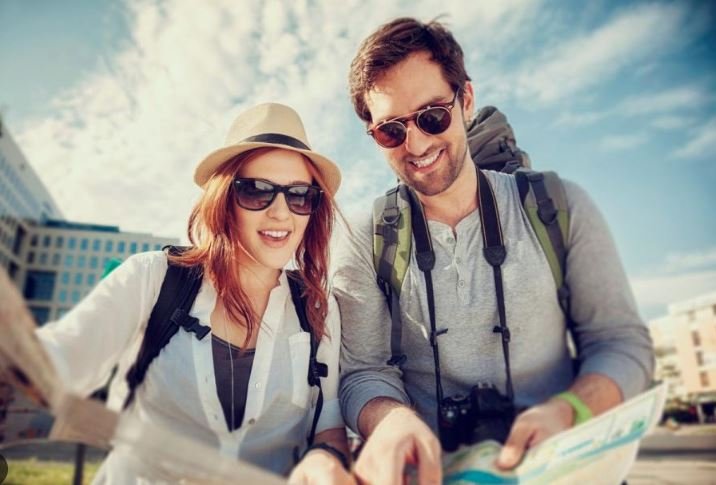

Learning at Your Own Pace on Self-Guided Tours

Self-guided tours offer a unique opportunity for travelers to engage in educational experiences at their own pace, allowing for deeper exploration and understanding of destinations. Whether you’re interested in history, art, nature, or local culture, self-guided tours empower you to tailor your learning journey according to your interests and preferences. Here’s how you can enrich your travel experience through educational adventures on self-guided tours:

Learning at Your Own Pace on Self-Guided Tours

Dive into Historical and Cultural Insights

One of the significant advantages of self-guided tours is the freedom to delve into historical and cultural insights at your own pace. Visit museums, historical sites, and cultural landmarks to learn about the rich heritage and traditions of each destination. Take your time to study exhibits, read informational plaques, and absorb the narratives that bring history to life. Engaging with local guides, if available, or using audio guides can enhance your learning experience by providing context and detailed explanations that cater to your curiosity.

Explore Natural Wonders and Environmental Conservation

Self-guided tours also offer opportunities to explore natural wonders and learn about environmental conservation efforts in different regions. Visit national parks, botanical gardens, or wildlife sanctuaries to observe diverse ecosystems and learn about local flora and fauna. Many natural attractions provide educational signage, guided nature trails, or interactive exhibits that educate visitors about sustainable practices and the importance of preserving natural habitats. By immersing yourself in these educational experiences, you not only gain knowledge but also develop a deeper appreciation for the environment and the need for responsible travel practices.

Engage in Local Workshops and Cultural Experiences

Immerse yourself in hands-on learning experiences by participating in local workshops, art classes, or cultural demonstrations during self-guided tours. Learn traditional crafts, cooking techniques, or music and dance styles from local artisans and experts. These interactive sessions not only deepen your understanding of local traditions but also allow you to engage with community members and exchange cultural insights. By embracing these opportunities for experiential learning, you contribute to cultural preservation and foster meaningful connections with the places you visit.

Flexibility to Deepen Understanding

Self-guided tours offer the flexibility to deepen your understanding of subjects that interest you the most. Whether you’re a history enthusiast tracing the footsteps of ancient civilizations or an art aficionado exploring galleries and street murals, you can allocate time according to your pace of learning. This flexibility allows you to revisit significant sites, study intricate details, and absorb information without the constraints of a group itinerary. By immersing yourself fully in topics that intrigue you, self-guided tours facilitate a more profound connection with the cultural and historical aspects of each destination.

Personalized Research and Exploration

A key advantage of self-guided tours for educational purposes is the opportunity for personalized research and exploration. Before embarking on your journey, conduct thorough research on the topics, landmarks, and museums you wish to explore. Utilize online resources, travel guides, and recommendations from locals to create a tailored itinerary that aligns with your educational goals. During your tour, take advantage of informational materials provided at attractions, such as brochures, audio guides, and interactive exhibits, to enhance your understanding. This proactive approach not only enriches your learning experience but also encourages independent thinking and a deeper appreciation for the cultural and educational significance of each site visited.

Conclusion

In conclusion, learning at your own pace on self-guided tours enriches your travel experience by providing opportunities for educational adventures tailored to your interests. Whether you’re exploring historical landmarks, discovering natural wonders, or engaging in cultural workshops, self-guided tours empower you to immerse yourself fully in learning experiences that inspire curiosity and appreciation. Embrace the freedom to explore, discover, and learn on your terms, creating memories and knowledge that enhance your perspective and enrich your journey.

Pathfinder's Journey
Discovering Street Art on a Self-Guided Tour

Exploring vibrant street art is an exciting way to immerse yourself in the local culture and creativity of a city. Discovering street art on a self-guided tour allows you to uncover hidden gems and artistic expressions at your own pace and leisurely explore neighbourhoods off the beaten path. Let’s give you the information in detail!

Ways of Discovering Street Art on a Self-Guided Tour

Researching Street Art Hotspots

Before embarking on your self-guided tour of discovering street art, conduct some research to identify key hotspots known for their vibrant art scenes. Look for neighbourhoods or specific streets renowned for their murals, graffiti, and installations. Online resources, local art forums, and social media platforms often provide valuable insights and recommendations.

Discovering Street Art on a Self-Guided Tour
Discovering Street Art on a Self-Guided Tou

Planning Your Route

Once you’ve identified the hotspots, plan your route accordingly. Consider creating a map or list of locations you want to visit, marking them based on their proximity to each other. This strategic planning ensures you cover the maximum ground while minimizing travel time between different art pieces and installations.

Exploring Neighborhoods

Street art isn’t limited to just one area; it often sprawls across various neighbourhoods within a city. Discovering street art involves exploring different parts of the cityscape, from bustling urban centres to quieter residential areas. Wander through alleys, traverse pedestrian-friendly streets, and venture into local parks where artists often leave their creative marks.

Keeping an Eye Out for Details

Street art isn’t always conspicuous; sometimes, the most remarkable pieces are tucked away in unexpected corners or hidden in plain sight. As you explore, discovering street art involves being observant and attentive to details. Look for intricate designs, messages, or cultural motifs embedded within the artwork that offer deeper insights into the artist’s narrative.

Engaging with Local Artists

Many cities have vibrant communities of street artists who actively contribute to the urban landscape.  Keep an eye out for live painting events, workshops, or artist residencies where you can interact with creators, learn about their techniques, and gain firsthand perspectives on their work.

Capturing Moments and Memories

Documenting your journey of discovering street art is a wonderful way to preserve memories and share your experiences with others. Take photographs or videos of the artworks that resonate with you. Hence, capturing not only the visual appeal but also the context of their surroundings. Share your discoveries on social media platforms to connect with fellow art enthusiasts and contribute to the broader conversation about urban art.

Respecting the Art and Environment

While discovering street art is an exhilarating experience, it’s crucial to respect both the artworks and the environment in which they exist. Avoid damaging or defacing artworks, refrain from leaving behind any litter, and be mindful of private property boundaries. Respecting the art ensures that future visitors can also enjoy these creative expressions.

Embracing the Unexpected

One of the joys of discovering art on a self-guided tour is encountering surprises. Allow yourself to wander at times, open to stumbling upon new artworks or installations that aren’t on your initial list. Embracing spontaneity adds a sense of adventure to your exploration and may lead to delightful discoveries.

Connecting with Local Stories

Behind every piece of street art lies a story waiting to be discovered. Seek out guided tours or local initiatives that offer insights into the cultural, social, and historical contexts of the artworks. Understanding the narratives behind the art enriches your experience of discovering art and deepens your connection to the city and its inhabitants.

Conclusion

Discovering street art on a self-guided tour is a captivating journey through creativity and urban culture. By researching hotspots, planning your route, exploring diverse neighbourhoods, engaging with local artists, and respecting the environment, you can immerse yourself in a world of vibrant colours and compelling stories.

Interactive Self-Guided Tour Experience
How to Create an Interactive Self-Guided Tour Experience

Creating an interactive self-guided tour experience can elevate your journey from a simple exploration to a memorable adventure. By incorporating interactive elements, you engage participants more deeply, making the tour informative and enjoyable. Here’s a step-by-step guide to designing an interactive self-guided tour.

Interactive Self-Guided Tour Experience

1. Define the Tour’s Purpose

Before diving into interactive elements, clarify the purpose of your tour. Decide what you want participants to learn or experience. Whether it’s exploring historical landmarks, local art, or natural beauty, a clear objective will help shape your interactive features.

2. Choose the Right Technology

Leverage technology to enhance your self-guided tour. Several tools can make your tour interactive:

  • Mobile Apps: Consider creating a custom app or using existing platforms like izi.TRAVEL or Detour. These apps allow users to follow a route, access audio guides, and view multimedia content.
  • QR Codes: Place QR codes at various points along the tour. Scanning these codes with a smartphone can provide additional information, videos, or interactive quizzes.
  • Interactive Maps: Use online tools or apps to create interactive maps that highlight tour points, offer detailed descriptions, and include multimedia elements.

3. Incorporate Engaging Content

Develop content that captivates and educates your audience:

  • Audio Guides: Record engaging and informative audio guides that participants can listen to as they explore. Include interesting facts, stories, and anecdotes to bring the tour to life.
  • Video Content: Create short videos that provide a visual and narrative element. These can be embedded in your app or linked through QR codes.
  • Textual Information: Provide concise and compelling text that delivers key information about each stop on the tour. Use bullet points, interesting facts, and historical context to keep it engaging.

4. Include Interactive Elements

Interactive features can make your tour more engaging:

  • Quizzes and Challenges: Add quizzes or challenges related to the tour content. Participants can answer questions or solve puzzles to earn rewards or unlock additional content.
  • Photo Opportunities: Designate specific spots for photo opportunities with themed backdrops or props. Encourage participants to share their photos on social media with a unique hashtag.
  • User Feedback: Include options for participants to leave feedback or share their experiences. This can provide valuable insights and make the tour more interactive.

5. Test and Refine Your Tour

Before launching your self-guided tour, test it thoroughly:

  • Pilot Testing: Conduct a pilot test with a small group to identify any issues or areas for improvement. Gather feedback on the tour’s content, technology, and overall experience.
  • Adjustments: Based on feedback, make necessary adjustments to ensure the tour runs smoothly and meets participants’ needs.

6. Promote Your Interactive Tour

Once your tour is ready, promote it to attract participants:

  • Social Media: Use social media platforms to share information about your tour, highlight its interactive features, and post updates.
  • Local Partnerships: Collaborate with local businesses, tourist information centers, or cultural institutions to promote your tour.
  • Website and Blog: Create a dedicated page on your website with details about the tour, interactive elements, and booking options.

7. Monitor and Improve

After launching, continually monitor the tour’s performance and participant feedback:

  • Analytics: Use analytics tools to track user engagement and interaction with the tour’s features.
  • Ongoing Updates: Regularly update content and technology to keep the tour fresh and relevant.

Conclusion

By integrating these interactive elements, you create a self-guided tour that is not only informative but also engaging and enjoyable. This approach enhances the overall experience, making it memorable and enriching for all participants.

Visit key historical sites with a self-guided itinerary.

Exploring key historical sites with a self-guided itinerary offers a flexible and personalized way to delve into the past and appreciate significant landmarks. By designing your own route, you can visit historical sites at your own pace and focus on areas of personal interest. Here’s how to plan and enjoy a self-guided tour of historical landmarks.

1. Select Historical Sites

Begin by choosing the historical sites you wish to visit:

  • Research Sites: Identify important historical landmarks in your area or destination, such as monuments, museums, or historic buildings.
  • Significance: Choose sites that have personal or historical significance, whether they relate to local history, famous events, or notable figures.
  • Availability: Ensure the sites are open to visitors and check for any specific visiting hours or entry requirements.

2. Plan Your Itinerary

Design a detailed itinerary for your historical site tour:

  • Map Your Route: Use maps and online resources to plot out your route, ensuring that you can visit the sites in a logical order.
  • Time Allocation: Plan how long you’ll spend at each site, including time for exploring exhibits, reading information, and taking breaks.
  • Travel Logistics: Consider transportation options between sites, whether walking, driving, or using public transport.

3. Gather Site Information

Visit key historical sites with a self-guided itinerary.

Collect essential details to enhance your historical site visits:

  • Background Information: Research the history and significance of each site, including key events and figures associated with them.
  • Guides and Resources: Obtain brochures, guidebooks, or apps that provide detailed information about the historical sites and their context.
  • Entry Requirements: Check for any special requirements, such as tickets, guided tours, or accessibility options.

4. Prepare for Your Tour

Ensure you’re well-prepared for your historical exploration:

  • Comfortable Attire: Wear comfortable clothing and footwear suitable for walking and exploring.
  • Essentials: Bring items such as a camera, notebook, and water bottle. Consider a portable charger for your devices.
  • Weather Considerations: Check the weather forecast and dress accordingly to ensure a pleasant visit.

5. Enjoy Your Historical Tour

As you visit each historical site:

  • Engage with Exhibits: Take time to read information plaques, explore exhibits, and engage with any interactive displays.
  • Reflect on History: Reflect on the historical significance of each site and how it relates to the broader historical context.
  • Take Photos: Capture images of the sites and landmarks to remember your visit and share with others.

6. Share Your Experience

After your tour, share your historical exploration journey:

  • Write a Blog or Review: Document your visit to the historical sites, highlighting your experiences and insights.
  • Social Media: Post photos and reflections about the historical landmarks and their significance.
  • Recommendations: Offer advice and recommendations for others interested in exploring similar historical sites.

7. Reflect and Explore Further

Reflect on your historical site tour and plan future explorations:

  • Update Your List: Add new historical sites or landmarks to your list based on your experiences and interests.
  • Plan New Tours: Design additional self-guided tours focusing on different historical themes or regions.

Conclusion

Visiting key historical sites with a self-guided itinerary allows you to explore significant landmarks at your own pace and delve into the past on a personalized journey. By carefully planning your route, gathering information, and immersing yourself in the history, you can create a rewarding and educational experience. Enjoy your exploration of historical sites and the stories they tell!

Avoiding Crowds with Self-Guided Tours

Self-guided tours provide a refreshing alternative for travelers seeking to avoid crowded tourist hotspots and discover destinations at their own pace. While popular attractions often draw large crowds on guided tours, self-guided travelers can explore off-peak hours, lesser-known sites, and tranquil spots that offer peace and serenity. Here’s how you can enjoy peaceful travel experiences and immerse yourself in tranquil settings with self-guided tours: Discover ways of avoiding crowds with self-guided tours.

Avoiding Crowds with Self-Guided Tours

Exploring Beyond the Main Attractions

One of the primary advantages of self-guided tours is the ability to venture beyond the main attractions and explore hidden gems that are less frequented by tourists. Research destinations in advance to identify quieter neighborhoods, scenic viewpoints, and local hangouts where you can enjoy a more intimate experience. By steering away from crowded landmarks, you can immerse yourself in the authentic atmosphere of each destination and discover its true essence away from the hustle and bustle.

Timing Your Visits Strategically

Timing plays a crucial role in avoiding crowds during self-guided tours. Plan your visits to popular attractions during early mornings or late afternoons when tourist traffic tends to be lighter. Alternatively, explore attractions on weekdays rather than weekends, as this can significantly reduce the number of visitors. Embracing flexibility in your itinerary allows you to adjust your schedule based on real-time conditions and local recommendations, ensuring you make the most of your time while enjoying a peaceful travel experience.

Embracing Nature and Outdoor Escapes

Escape the crowds by immersing yourself in nature and outdoor escapes that offer tranquility and natural beauty. Self-guided tours provide opportunities to explore national parks, hiking trails, and secluded beaches where you can reconnect with the environment and enjoy moments of solitude. Pack a picnic, embark on scenic walks, or simply unwind amidst breathtaking landscapes that inspire relaxation and rejuvenation. Embracing the serenity of natural settings allows you to recharge while experiencing the wonders of the world away from crowded tourist attractions.

Embracing Local Culture: Authentic Encounters Away from Crowds

Self-guided tours present opportunities for authentic cultural encounters away from crowded tourist areas. Engage with locals in quieter neighborhoods, visit local markets, or attend community events to gain insights into daily life and traditions. These interactions provide a deeper understanding of the destination’s culture and foster meaningful connections with residents. By immersing yourself in local culture away from tourist crowds, you can appreciate the authenticity of each experience and create lasting memories that reflect the heart and soul of the places you visit.

Flexibility to Adjust Plans in Real Time

One of the significant advantages of self-guided tours in avoiding crowds is the flexibility to adjust your plans in real-time based on current conditions. Unlike guided tours with fixed schedules, self-guided travelers can monitor crowd levels at popular attractions and choose to visit during quieter periods or explore alternative sites nearby. This adaptability allows you to optimize your itinerary for peaceful exploration and maximize your enjoyment of each destination. Whether you decide to extend your visit at a serene spot or venture off the beaten path to discover a hidden gem, the flexibility of self-guided tours empowers you to navigate travel experiences with spontaneity and ease.

Conclusion

In conclusion, self-guided tours offer a pathway to serenity and tranquility for travelers looking to avoid crowds and embrace personalized exploration. By exploring beyond main attractions, timing visits strategically, and embracing nature and outdoor escapes, you can enjoy peaceful travel experiences that allow for meaningful connections with destinations. Whether you’re seeking solitude in nature or discovering hidden cultural gems, self-guided tours empower you to create memorable journeys that unfold at your own pace, away from the crowds.

Explore wildlife on a self-guided nature reserve tour. Learn how to plan your own wildlife observation adventure
Observe wildlife on a self-guided nature reserve tour.

Embarking on a self-guided nature reserve tour to observe wildlife offers a unique opportunity to connect with nature and experience animal behavior in their natural habitats. By planning your own tour, you can explore a nature reserve at your own pace and focus on wildlife observation. Here’s how to create an enriching and enjoyable wildlife experience on your self-guided nature reserve tour.

1. Choose the Right Nature Reserve

Start by selecting a nature reserve known for its diverse wildlife:

  • Research Reserves: Look for nature reserves that are home to the wildlife species you’re interested in observing.
  • Wildlife Highlights: Identify reserves with notable wildlife populations or special habitats, such as wetlands, forests, or grasslands.
  • Seasonal Considerations: Choose a time of year when wildlife activity is high, such as breeding seasons or migration periods.

2. Plan Your Tour Route

Design an itinerary that allows for effective wildlife observation:

  • Map Out Trails: Use maps and trail guides to plot out the best routes for wildlife viewing within the nature reserve.
  • Key Viewing Spots: Identify locations known for high wildlife activity, such as water sources, feeding grounds, or nesting areas.
  • Timing: Plan your visit during times when wildlife is most active, such as early mornings or late afternoons.

3. Gather Information

Explore wildlife on a self-guided nature reserve tour. Learn how to plan your own wildlife observation adventure

Collect essential details to enhance your wildlife observation:

  • Wildlife Species: Research the types of animals you might encounter and their behavior patterns.
  • Reserve Rules: Review the nature reserve’s rules and regulations for wildlife observation and respect for the environment.
  • Guides and Resources: Obtain field guides or apps that can help identify wildlife and provide information about their habitats.

4. Prepare for Your Tour

Ensure you’re well-prepared for your wildlife observation adventure:

  • Gear and Equipment: Bring binoculars, a camera with a zoom lens, and a notebook for observations. Wear appropriate outdoor clothing and sturdy footwear.
  • Essentials: Pack essentials such as water, snacks, sunscreen, and insect repellent.
  • Safety Precautions: Familiarize yourself with safety guidelines for encountering wildlife and ensure you have a fully charged phone for emergencies.

5. Enjoy Wildlife Observation

As you explore the nature reserve:

  • Be Patient: Wildlife observation requires patience. Move quietly and slowly to avoid startling animals.
  • Respect Wildlife: Maintain a safe distance from animals and avoid disturbing their natural behaviors.
  • Take Notes and Photos: Document your observations and capture photos of wildlife and their habitats.

6. Share Your Experience

After your tour, share your wildlife observation experience:

  • Write a Blog or Review: Document your wildlife sightings and experiences, highlighting notable encounters and tips for others.
  • Social Media: Post photos and insights about the wildlife you observed and the beauty of the nature reserve.
  • Recommendations: Offer advice and recommendations for others interested in self-guided wildlife tours.

7. Reflect and Explore Further

Reflect on your nature reserve tour and plan future wildlife explorations:

  • Update Your List: Add new nature reserves or wildlife species to your list based on your experience.
  • Plan New Tours: Design additional self-guided tours focusing on different types of wildlife or habitats.

Conclusion

Observing wildlife on a self-guided nature reserve tour allows you to immerse yourself in the natural world and witness animals in their habitats. By planning your route, preparing appropriately, and respecting wildlife, you can create a rewarding and memorable experience. Enjoy the adventure and the wonders of nature!

Relaxation into Your Self-Guided Tour
How to Incorporate Relaxation into Your Self-Guided Tour

Planning a self-guided tour doesn’t have to be all about rushing from one attraction to another. It’s essential to include moments of relaxation to truly enjoy and rejuvenate during your journey. Let’s give you how you can seamlessly integrate relaxation into your self-guided tour itinerary, ensuring a balanced and fulfilling travel experience.

Incorporating Relaxation into Your Self-Guided Tour

Choosing Tranquil Destinations

Start by selecting destinations known for their serene ambience and natural beauty. Whether it’s a peaceful beach, a tranquil forest retreat, or a quiet countryside village, incorporating relaxation into your self-guided tour begins with the right choice of location. These serene spots provide the perfect backdrop for unwinding and connecting with nature.

Relaxation into Your Self-Guided Tour

Schedule Leisurely Activities

While it’s tempting to pack your itinerary with must-see sights, remember to leave room for leisurely activities. Allocate time for strolling through local markets, enjoying a leisurely picnic in a scenic park, or simply sitting by a serene lake. These activities allow you to slow down, savour the moment, and appreciate the surroundings.

Practice Mindful Exploration

Mindful exploration involves being fully present in each moment of your journey. Instead of rushing through attractions, take the time to observe your surroundings, engage your senses, and appreciate the cultural and natural elements. Incorporating relaxation into your self-guided tour through mindful exploration enhances your travel experience and reduces stress.

Embrace Nature’s Therapy

Nature has a therapeutic effect on both the body and mind. Incorporate activities such as hiking along scenic trails, birdwatching in local parks, or meditating in a quiet garden. These experiences not only promote relaxation but also allow you to immerse yourself in the natural beauty of your destination.

Enjoy Local Cuisine and Cafés

Sampling local cuisine is an integral part of travel. Plan to indulge in leisurely meals at cozy cafés or restaurants known for their authentic dishes. Dining at a relaxed pace not only satisfies your taste buds but also provides an opportunity to unwind and enjoy the local culture.

Include Wellness Activities

Integrate wellness activities into your self-guided tour itinerary to promote relaxation and rejuvenation. Consider activities such as yoga sessions at sunrise, spa treatments at local wellness centres, or even a refreshing swim in natural hot springs. These activities help alleviate travel fatigue and enhance your overall well-being.

Stay Flexible and Unwind

Flexibility is key to a relaxed travel experience. Allow yourself the freedom to deviate from your itinerary if you come across unexpected gems or simply feel like taking a spontaneous break. Incorporating relaxation into your self-guided tour means being open to serendipitous discoveries and moments of pure relaxation.

Prioritize Quality Rest

Amidst exploration, ensure you prioritize quality rest. Choose accommodations that offer comfort and tranquillity, whether it’s a cozy boutique hotel, a charming bed and breakfast, or a serene countryside retreat. A good night’s sleep rejuvenates you for the day ahead and enhances your overall travel enjoyment.

Connect with Local Culture at a Leisurely Pace

Immerse yourself in the local culture at a leisurely pace. Attend cultural performances, visit museums or art galleries, or participate in local festivals or events. Engaging with the community in meaningful ways enriches your travel experience while allowing you to relax and absorb the cultural nuances.

Conclusion

Incorporating relaxation into your self-guided tour is essential for creating a balanced and fulfilling travel experience. By choosing tranquil destinations, scheduling leisurely activities, practising mindful exploration, and embracing local culture, you can unwind and rejuvenate while exploring new destinations. Remember, a relaxed traveller enjoys the journey as much as the destination itself.

Amazing Self-Guided Tours to Explore Urban Wildlife

Urban environments are not just concrete jungles; they are teeming with fascinating wildlife waiting to be discovered. Embarking on self-guided tours to explore urban wildlife allows you to witness the beauty of nature thriving amidst cityscapes. Let’s give you ways how you can make the most of these enriching experiences.

Self-Guided Tours to Explore Urban Wildlife

Exploring Urban Parks and Green Spaces

Urban parks and green spaces serve as sanctuaries for diverse wildlife species. Begin your self-guided tour to explore urban wildlife by visiting local parks known for their biodiversity. These areas often support a variety of birds, small mammals, and sometimes even reptiles and amphibians.

Self-Guided Tours to Explore Urban Wildlife

Observing Birds in Urban Settings

Birdwatching enthusiasts can delight in observing avian species that have adapted to urban habitats. Look for local birding hotspots such as wetlands, lakes, or even city gardens where you can spot different bird species. Binoculars and a bird guidebook can enhance your experience.

Discovering Urban Mammals and Reptiles

Despite the hustle and bustle, cities are home to various mammals and reptiles. Squirrels, raccoons, and even foxes are common in many urban areas. Explore quieter corners of parks or green belts during dawn or dusk for a chance to observe these elusive creatures.

Engaging in Citizen Science Projects

Participating in citizen science initiatives can enrich your self-guided urban wildlife tour. Many organizations invite volunteers to record wildlife sightings or participate in habitat restoration efforts. Check local conservation websites or apps to find opportunities to contribute to wildlife research.

Using Wildlife Apps for Identification

Utilize smartphone apps designed for wildlife identification. These apps use image recognition technology to help you identify birds, plants, and other wildlife species you encounter during your tour. They often provide additional information about the species and their behaviours.

Being Respectful of Wildlife and Habitats

While exploring urban wildlife, prioritize respect for animals and their habitats. Maintain a safe distance when observing wildlife, avoid feeding them, and adhere to park regulations. Responsible behaviour ensures that both wildlife and visitors can coexist harmoniously.

Documenting Your Wildlife Encounters

Capture your wildlife sightings through photography or journaling. Documenting your experiences not only helps you remember the beauty of urban wildlife but also allows you to share your discoveries with others who may be interested in self-guided tours to explore urban wildlife.

Connecting with Local Wildlife Experts

Reach out to local wildlife experts or nature enthusiasts who can provide insights into urban ecology and wildlife behavior. Join guided walks or talks organized by conservation groups to deepen your understanding of the wildlife in your city.

Choosing the Right Time and Season

Consider the time of day and season when planning your self-guided tour to explore urban wildlife. Early mornings and evenings are often ideal for spotting animals when they are most active. Different seasons may bring different wildlife behaviours, such as bird migration or mating rituals.

Conclusion

Self-guided tours to explore urban wildlife offer a unique perspective on the natural world thriving amidst urban landscapes. By visiting parks, observing birds, engaging in citizen science, and respecting wildlife, you can have enriching experiences right in your city. Embrace the opportunity to connect with nature and discover the hidden gems of urban biodiversity.

Personalized Experiences in Self-Guided Tours

Self-guided tours are a gateway to personalized travel experiences that cater to your unique interests, preferences, and pace. Unlike traditional guided tours, which follow a set itinerary and schedule, self-guided tours empower you to craft your own adventure. Here’s how you can personalize your self-guided tour to create a memorable and fulfilling travel experience:

Personalized Experiences in Self-Guided Tours

Crafting Your Itinerary

The hallmark of a self-guided tour is the ability to design an itinerary that aligns perfectly with your travel goals. Start by researching destinations and identifying attractions, activities, and experiences that resonate with your interests. Whether you’re passionate about history, nature, culinary delights, or cultural immersion, prioritize must-see locations and plan your days accordingly. This personalized approach ensures that every moment of your journey is meaningful and tailored to your preferences.

Exploring Off-the-Beaten-Path Gems

Self-guided tours offer the flexibility to uncover hidden gems and explore off-the-beaten-path destinations that may not be included in traditional guided tours. Take advantage of this freedom to wander through charming neighborhoods, stumble upon local markets, or discover secluded natural wonders. Engaging with local communities and immersing yourself in authentic experiences enriches your journey and provides insights into the cultural tapestry of each destination. Embrace spontaneity and allow curiosity to guide you towards unexpected discoveries that enhance the depth of your travel experience.

Embracing Cultural Immersion

Personalized travel experiences in self-guided tours extend beyond sightseeing to embrace cultural immersion. Take time to interact with locals, participate in cultural activities, and savor authentic cuisine that reflects the traditions and flavors of the region. Whether you’re learning a few phrases of the local language, attending a traditional festival, or exploring artisan workshops, these immersive experiences foster a deeper connection with the destinations you visit. Embrace the opportunity to gain insights into diverse cultures and traditions, creating lasting memories that resonate long after your journey concludes.

Flexibility to Follow Your Pace

One of the greatest advantages of self-guided tours is the freedom to follow your own pace throughout your journey. Unlike guided tours that adhere to strict schedules and timelines, self-guided travelers can adjust their daily itinerary based on personal preferences and interests. Whether you prefer to leisurely explore historical landmarks, take time to capture stunning photography, or simply relax and soak in the local ambiance at a café, the flexibility allows you to savor each moment without feeling rushed. This approach not only enhances the quality of your travel experience but also reduces stress, enabling you to fully immerse yourself in the destinations you visit.

Customizing Activities to Suit Your Interests

Self-guided tours enable you to customize activities and experiences to suit your specific interests and passions. Whether you’re an avid hiker seeking challenging trails, a history buff eager to delve into ancient ruins, or a food enthusiast keen on culinary tours, you have the autonomy to prioritize activities that resonate with your travel goals. This customization ensures that every aspect of your journey is aligned with your personal preferences, fostering a deeper connection and appreciation for the destinations you explore. By tailoring activities to suit your interests, self-guided tours offer a personalized approach to travel that celebrates individuality and allows you to create meaningful memories that reflect your unique perspective and passions.

Conclusion

In conclusion, self-guided tours offer a pathway to personalized travel experiences that celebrate individuality and exploration. By crafting your own itinerary, exploring off-the-beaten-path gems, and embracing cultural immersion, you can tailor your journey to reflect your unique interests and preferences. Whether you’re a solo traveler seeking solitude or a group of friends eager to embark on shared adventures, self-guided tours provide the flexibility and freedom to make every travel experience distinctly yours. Embrace the journey, embrace the diversity of the world, and let each self-guided tour be a chapter in your personal travel story.