Search for:
Self-Guided Beachcombing Tours: Discovering Coastal Treasures

Self-guided beachcombing tours offer a unique opportunity to explore the coastal beauty of beaches at your own pace while uncovering hidden treasures along the shoreline. Whether you’re drawn to the serenity of a remote beach or the vibrant energy of a popular seaside destination, beachcombing allows you to engage with nature, discover fascinating items, and enjoy a peaceful outdoor activity.

Self-Guided Beachcombing Tours: Discovering Coastal Treasures

Planning Your Beachcombing Adventure

Begin by choosing the beach or coastline you want to explore. Research different beaches in your chosen area, considering factors such as accessibility, tide schedules, and the types of treasures you might find. Some beaches are renowned for their unique shells, while others might offer interesting driftwood, sea glass, or marine fossils. Check local tide charts to plan your visit during low tide, when more of the beach is exposed, increasing your chances of finding intriguing items.

Gathering the Right Gear

To make the most of your beachcombing adventure, ensure you have the appropriate gear. Comfortable clothing and sturdy shoes are essential, as you’ll be walking on sandy or rocky terrain. Bring a lightweight backpack to carry your finds and a set of tools like a small rake or trowel for uncovering treasures. A pair of binoculars can enhance your experience by allowing you to observe coastal wildlife from a distance. Don’t forget sunscreen, a hat, and plenty of water to stay hydrated during your exploration.

Navigating the Beach and Finding Treasures

As you arrive at the beach, take a moment to survey the area and identify potential spots for beachcombing. Start by walking along the shoreline, keeping an eye out for interesting items washed up by the tide. Look for patterns in the sand where items may be concentrated, such as near rocks or driftwood. Pay attention to the texture of the sand and any changes in color, which might indicate buried treasures. Remember to respect the natural environment by avoiding disruption to wildlife and coastal plants.

Identifying and Collecting Coastal Treasures

During your beachcombing tour, you’ll encounter a variety of coastal treasures. Common finds include seashells, sea glass, driftwood, and small marine fossils. Familiarize yourself with local species and materials to help identify your discoveries. For example, different types of shells might indicate specific marine environments, while sea glass can offer clues about historical activity in the area. Collect items that interest you, but be mindful of local regulations regarding the removal of natural objects, especially in protected areas.

Engaging with the Beach Environment

While beachcombing, take the time to engage with the environment around you. Observe the changing patterns of the waves, the interaction of light on the water, and the diversity of coastal plant and animal life. Beachcombing is not only about finding treasures but also about appreciating the beauty and complexity of coastal ecosystems. If you encounter wildlife, such as seabirds or crabs, observe them from a respectful distance without disturbing their natural behavior.

Documenting Your Finds and Reflections

As you collect treasures, consider documenting your finds with photos or notes. This can help you remember the details of your discoveries and provide a record of your beachcombing adventure. Take photos of interesting items along with their location and any notable observations. Reflect on the experience and what you learned about the coastal environment. Sharing your findings with friends or on social media can also be a fun way to recount your adventure and inspire others to explore.

Respecting the Coastal Environment

While beachcombing, it’s important to respect the coastal environment. Follow the principles of “Leave No Trace” by taking any trash you find with you and avoiding the removal of living organisms or items that are part of the ecosystem. Be cautious not to disturb nesting birds or sensitive coastal habitats. Your actions help preserve the beauty and health of the beach for future visitors and contribute to environmental conservation.

Conclusion

Self-guided beachcombing tours offer a delightful way to explore the coastlines and discover the hidden treasures that the sea has to offer. By planning your adventure, preparing with the right gear, and engaging with the environment, you can enjoy a rewarding and enriching experience. Embrace the serenity of the beach, appreciate the natural beauty around you, and cherish the unique items you uncover along the shore.


Finding Self-Guided Tours Focusing on Sustainable Practices

Planning a self-guided tour that aligns with sustainable practices allows you to explore destinations while minimizing your environmental impact. Discovering tours that emphasize sustainability can enrich your travel experience by promoting eco-conscious choices and supporting local communities. Let’s give you ways how you can find and enjoy self-guided tours with a focus on sustainable practices.

1. Research Eco-Friendly Destinations

Start by researching destinations known for their commitment to sustainable tourism practices. Look for places that prioritize environmental conservation, renewable energy use, waste reduction, and community engagement. Coastal areas, national parks, and eco-resorts often offer self-guided tours that highlight these initiatives.

Finding Self-Guided Tours Focusing on Sustainable Practices

2. Use Sustainable Travel Apps and Websites

Utilize sustainable travel apps and websites that curate eco-friendly tours and activities. Platforms like Ecotourism Australia, Responsible Travel, and Green Key provide listings of self-guided tours that adhere to sustainable principles. These resources offer detailed information on tour operators and their sustainability certifications.

3. Check Eco-Certifications and Credentials

Verify the eco-certifications and credentials of tour operators and accommodations. Look for certifications such as Green Globe, EarthCheck, or Travelife that indicate adherence to sustainable tourism standards. Choosing certified providers ensures that your tour supports responsible practices and contributes positively to local conservation efforts.

4. Explore Nature-Based Tours

Opt for self-guided tours that focus on nature-based experiences and outdoor activities. Activities like hiking, birdwatching, kayaking, and wildlife safaris often promote sustainable tourism by fostering appreciation for natural environments and minimizing ecological disturbance.

5. Support Local Communities

Select tours that support local communities and economies. Look for opportunities to engage with indigenous communities, artisanal producers, and local guides who share knowledge about traditional practices and cultural heritage. Your participation contributes to community empowerment and sustainable livelihoods.

6. Choose Public Transportation and Walking Tours

Prefer self-guided tours that encourage the use of public transportation or walking. Explore cities and urban areas using eco-friendly transport options such as buses, trains, or bicycles. Walking tours allow you to immerse yourself in local culture, reduce carbon emissions, and support sustainable urban mobility initiatives.

7. Attend Sustainable Events and Festivals

Plan your self-guided tour around sustainable events and festivals that promote environmental awareness and conservation. Events focusing on eco-friendly practices, green technologies, or sustainable agriculture provide educational opportunities and enrich your travel experience.

8. Participate in Eco-Friendly Activities

Engage in eco-friendly activities during your self-guided tour, such as beach clean-ups, tree planting initiatives, or volunteering with local conservation projects. These activities allow you to actively contribute to environmental preservation while learning about local ecosystems and biodiversity.

9. Seek Recommendations from Sustainable Travel Blogs

Consult sustainable travel blogs and forums for recommendations on eco-conscious self-guided tours. Travel bloggers and eco-travel enthusiasts often share firsthand experiences, eco-tips, and destination guides that highlight sustainable attractions and responsible tourism practices.

10. Read Reviews and Ratings

Read reviews and ratings from fellow travellers to gauge the sustainability practices of tour operators and accommodations. Look for feedback on environmental initiatives, community engagement, waste management, and energy conservation efforts. Positive reviews indicate a commitment to sustainable tourism principles.

11. Consider Carbon Offsetting Options

Offset the carbon footprint of your self-guided tour by participating in carbon offsetting programs. Many tour operators offer carbon offset options that fund renewable energy projects or reforestation initiatives. Carbon offsetting helps mitigate the environmental impact of your travel activities.

12. Support Wildlife Conservation Efforts

Choose self-guided tours that support wildlife conservation efforts and responsible wildlife viewing practices. Avoid activities that exploit or harm animals, and prioritize tours that promote habitat conservation, species protection, and ethical wildlife encounters.

Conclusion

In conclusion, embarking on a self-guided tour focusing on sustainable practices allows you to explore the world responsibly while preserving natural and cultural heritage for future generations. By choosing eco-friendly destinations, supporting local communities, and engaging in sustainable activities, you contribute to global efforts toward sustainable tourism.

Self-Guided Wine Tasting Tours: Vineyards and Wineries

Embarking on a self-guided wine tasting tours is an exciting way to explore vineyards and wineries at your own pace, offering a personalized experience that combines the pleasures of wine with the beauty of the countryside. Whether you’re a seasoned wine enthusiast or a curious beginner, a self-guided tour allows you to savor exceptional wines while discovering the unique characteristics of various vineyards and their offerings.

Self-Guided Wine Tasting Tours: Vineyards and Wineries

Planning Your Wine Tasting Route

Start by researching vineyards and wineries in the region you wish to explore. Look for areas known for their wine production, such as Napa Valley in California, Bordeaux in France, or Tuscany in Italy. Identify a selection of wineries that appeal to your taste preferences and offer a range of experiences, from casual tastings to more in-depth tours. Consider factors such as distance between locations, opening hours, and any special events or tastings that might be available. Create an itinerary that balances travel time with your wine tasting schedule to ensure a relaxed and enjoyable experience.

Preparing for the Tour

Before setting out, ensure you’re well-prepared for your self-guided wine tasting adventure. Dress comfortably and appropriately for the weather, as you may be spending time outdoors. Bring essentials such as a map or GPS device, a water bottle, and a notebook for jotting down your impressions of each wine. It’s also helpful to have a designated driver if you’re planning to visit multiple wineries in one day. Many wineries offer tasting sessions that may require reservations, so check in advance and book your spots if needed.

Navigating the Vineyards and Wineries

When you arrive at each vineyard or winery, take the time to explore the grounds and familiarize yourself with the facilities. Most wineries offer a tasting room where you can sample their wines. Use this opportunity to engage with the staff, who can provide valuable insights into the wine-making process, the vineyard’s history, and the characteristics of the wines you’re tasting. Follow any guidelines or protocols they have in place for tastings. Take your time savoring each wine, paying attention to its aroma, flavor, and finish.

Engaging with the Wine-Tasting Experience

To get the most out of your wine tasting, engage fully with the experience. Start by assessing the appearance of the wine, noting its color and clarity. Swirl the wine gently in your glass to release its aromas, then take a moment to inhale the bouquet. As you taste, let the wine move around your palate to appreciate its complexity and balance. Consider the wine’s body, acidity, and tannins, and how these elements come together to create a harmonious flavor profile. If available, participate in any educational sessions or talks about wine production and tasting techniques.

Documenting Your Wine Discoveries

As you visit each winery, keep track of the wines you sample and your impressions of them. Use your notebook to jot down notes on the flavors, aromas, and characteristics of each wine. Record the names of your favorite wines and any recommendations provided by the staff. Taking photographs of the vineyard landscapes and the wines can also enhance your memories of the tour. After the tour, you can review your notes to recall your favorite wines and share your discoveries with friends and fellow wine enthusiasts.

Respecting Vineyard Etiquette

While enjoying your self-guided wine tasting tour, be mindful of the etiquette expected at each vineyard or winery. Respect the staff and other guests by maintaining a courteous demeanor and adhering to any posted rules or guidelines. Avoid excessive consumption of alcohol, and remember that many vineyards are also working farms, so be considerate of their operations. If you’re purchasing wine to take home, ensure that you follow any packaging and transportation instructions provided.

Reflecting on the Experience

After completing your wine tasting tour, take some time to reflect on your experience. Consider how the wines you sampled compared to each other and which ones stood out the most. Reflect on the different styles of wine-making and how they contribute to the unique flavors of each vineyard. Your self-guided tour not only offers an opportunity to enjoy exceptional wines but also provides insight into the art and science of wine-making.

Conclusion

A self-guided wine tasting tour offers a personalized and flexible way to explore vineyards and wineries, allowing you to savor exceptional wines while immersing yourself in the beauty of the countryside. By planning your route, preparing adequately, engaging with the tasting experience, and documenting your discoveries, you can create a memorable and enriching wine journey. Enjoy the freedom to explore at your own pace and gain a deeper appreciation for the artistry and passion behind each bottle.

Discover Scenic Overlooks and Viewpoints with a Personal Guide.

Discovering scenic overlooks and viewpoints offers a refreshing way to enjoy nature’s beauty and breathtaking vistas. With a self-guided approach, you can plan your route to explore stunning landscapes and capture memorable views at your own pace. Here’s how to create a personal guide to discovering the best scenic overlooks and viewpoints.

1. Define Your Scenic Interests

Determine the types of scenic views and overlooks you’re interested in:

  • Nature Views: Decide if you’re interested in mountains, valleys, forests, or coastal views.
  • Urban Vistas: Consider if you want to explore cityscapes, skyline views, or architectural landmarks.
  • Water Features: Think about whether you want to include lakes, rivers, waterfalls, or other water features.

2. Research Scenic Overlooks and Viewpoints

Find and select the best scenic spots to include in your self-guided tour:

  • Online Resources: Use travel websites, nature guides, and local tourism sites to discover recommended overlooks and viewpoints.
  • Local Guides: Check city guides, outdoor adventure books, and park websites for information on notable scenic spots.
  • Social Media: Explore social media platforms and travel forums for user-generated recommendations and photos of scenic locations.

3. Plan Your Self-Guided Scenic Tour

Create an itinerary that includes a variety of scenic overlooks and viewpoints:

  • Map Your Route: Use maps or navigation apps to plan your route, including the locations of the scenic spots you want to visit.
  • Timing: Consider the best times to visit each overlook for optimal lighting and views, such as sunrise, sunset, or mid-day.
  • Diverse Views: Include a mix of different types of overlooks and viewpoints to enjoy a well-rounded scenic experience.

4. Prepare for Your Scenic Tour

Ensure you’re ready for an enjoyable exploration of scenic spots:

  • Comfortable Attire: Wear comfortable clothing and shoes suitable for walking or hiking to different viewpoints.
  • Essentials: Bring essentials such as a camera for capturing photos, a notebook for jotting down your favorite views, and any necessary hiking gear or supplies.
  • Research: Do some preliminary research on each scenic spot to enhance your appreciation and knowledge of the views.

5. Enjoy Your Scenic Exploration

As you visit each scenic overlook and viewpoint:

  • Take Your Time: Spend time at each spot to fully appreciate the views and take in the natural beauty.
  • Capture the Moments: Photograph the landscapes and vistas, and make note of any standout features or personal favorites.
  • Engage with Nature: Observe wildlife, enjoy the natural surroundings, and immerse yourself in the scenic experience.

6. Reflect and Share Your Experience

After your self-guided scenic tour, reflect on your exploration:

  • Review Views: Consider which overlooks and viewpoints were the most memorable and why.
  • Write About Your Journey: Share your experiences through a blog post or social media update, highlighting your favorite scenic spots and views.
  • Share Photos: Post your photos and reflections to inspire others to explore scenic overlooks and viewpoints.

7. Plan Future Scenic Tours

Think about future explorations and plan accordingly:

  • Evaluate Your Tour: Assess what aspects of your tour worked well and what could be improved for future visits.
  • Discover New Spots: Research other scenic overlooks and viewpoints to expand your exploration.
  • Enhance Your Experience: Use insights from your current tour to enhance future self-guided scenic explorations, integrating new interests and discoveries.

Conclusion

Discovering scenic overlooks and viewpoints with a self-guided approach offers a rewarding way to experience nature’s beauty and enjoy stunning vistas. By planning your route, preparing for your visits, and immersing yourself in the views, you can create a memorable and personalized scenic adventure. Embrace the natural beauty, capture breathtaking moments, and enjoy every panoramic view on your journey!

Architectural Marvels: Self-Guided City Tours of Iconic Buildings

Exploring the architectural wonders of a city through a self-guided tour offers an enriching experience that allows you to marvel at iconic buildings at your own pace. From towering skyscrapers to historic landmarks, self-guided city tours provide the flexibility to immerse yourself in the unique design and history of each structure. Here’s how to make the most of your architectural adventure.

Architectural Marvels: Self-Guided City Tours of Iconic Buildings

Choosing Your Tour Stops

Start by selecting the architectural marvels you wish to explore. Research the city’s most iconic buildings and their historical significance. Look for landmarks with notable architectural styles, such as Gothic cathedrals, modernist skyscrapers, or Art Deco masterpieces. Compile a list of sites that interest you, considering factors such as their proximity to each other, visiting hours, and any special features or exhibitions. Many cities offer online resources and maps that highlight key architectural sites, which can be invaluable for planning your route.

Preparing for Your Tour

Preparation is essential for a successful self-guided architectural tour. Wear comfortable walking shoes and dress appropriately for the weather, as you’ll likely spend a lot of time outside. Equip yourself with a detailed map or a navigation app to help you find each building. Bring essentials such as water, snacks, and a camera to document your journey. If you plan to enter any of the buildings, check for any dress codes or entry requirements in advance. Some iconic sites may require tickets or advance reservations, so ensure you have everything needed for a smooth visit.

Navigating the Architectural Sites

As you embark on your self-guided tour, use your map or app to navigate between sites efficiently. Many buildings have informative plaques or signs that provide historical and architectural context, so be sure to take your time reading them. Pay attention to architectural details such as facades, ornamental elements, and structural innovations. For buildings with open interiors, take the opportunity to explore how the design translates into functional spaces. Look for self-guided audio tours or mobile apps that offer additional insights and historical anecdotes.

Engaging with Architectural Details

A self-guided tour allows you to focus on the architectural features that captivate you the most. Observe the building materials, design principles, and stylistic elements that define each structure. Consider how the building fits into its urban environment and its impact on the city’s skyline. Take note of any unique design solutions or historical renovations that contribute to the building’s character. Reflect on the architect’s vision and how it has been realized in the structure’s form and function.

Respecting the Sites

While exploring architectural marvels, it’s important to respect the sites and their surroundings. Follow any posted guidelines and be mindful of restrictions, particularly in residential or commercial areas. Avoid touching or leaning on delicate architectural details and adhere to any rules regarding photography. If you’re visiting places of worship or private offices, be respectful of their protocols and privacy. Keep your visit clean and orderly, ensuring that you contribute to the preservation of these iconic structures.

Documenting Your Journey

Capture the beauty and details of each architectural marvel with photographs or sketches. Focus on both the grand views and the intricate details that make each building unique. Consider keeping a travel journal to document your observations and reflections on the architectural styles and historical context. Sharing your experiences on social media or a personal blog can inspire others to explore these architectural gems and appreciate the artistry and history behind them.

Reflecting on the Experience

After completing your tour, take some time to reflect on what you’ve learned and experienced. Consider how each building contributes to the city’s architectural identity and historical narrative. Reflect on how the architectural styles and innovations have influenced modern design and urban development. Your self-guided tour not only enhances your appreciation for architecture but also deepens your understanding of how buildings shape and reflect cultural and historical contexts.

Conclusion

Self-guided city tours of architectural marvels offer a unique and flexible way to explore iconic buildings and delve into their histories. By carefully selecting your sites, preparing adequately, engaging with architectural details, and respecting the buildings, you can create a memorable and educational experience. Embrace the opportunity to discover the stories and design philosophies behind these remarkable structures, and enjoy the journey through the city’s architectural heritage.

Self-Guided Tour with Educational Stops
How to Plan a Self-Guided Tour with Educational Stops

Planning a self-guided tour with educational stops allows you to explore and learn at your own pace. Whether you’re visiting museums, historical sites, or cultural landmarks, incorporating educational elements enhances your travel experience. Here’s a comprehensive guide to help you organize a rewarding and educational self-guided tour.

Planning your Self-Guided Tour with Educational Stops

1. Choose Your Destination and Theme

Begin by selecting a destination that aligns with your educational interests. Research museums, historical sites, or places of cultural significance that offer insights into your chosen theme. Whether it’s art, history, science, or literature, identify attractions that provide educational value through exhibits, artefacts, or interactive displays.

Self-Guided Tour with Educational Stops

2. Research Educational Attractions

Research the educational attractions available at your chosen destination. Look for museums, galleries, monuments, and other points of interest that offer informative exhibits or guided tours. Check their opening hours, admission fees, and any special exhibitions or events that may enhance your learning experience.

3. Plan Your Itinerary

Create a detailed itinerary for your self-guided tour, outlining the educational stops you wish to visit. Organize your schedule to maximize your time at each attraction while allowing flexibility for exploration and learning. Consider geographic proximity and accessibility between stops to optimize your travel efficiency.

4. Utilize Educational Resources

Take advantage of educational resources provided by attractions, such as audio guides, brochures, and interactive apps. These resources offer valuable information about exhibits, historical contexts, and thematic insights that enrich your understanding. Use them to engage with exhibits and artefacts more meaningfully.

5. Prepare Learning Objectives

Define learning objectives for your self-guided tour based on your educational interests. Set specific goals such as understanding a historical period, appreciating art movements, or exploring scientific discoveries. Tailor your visit to focus on areas that align with your objectives to deepen your knowledge and appreciation.

6. Engage with Exhibits and Displays

Immerse yourself in the educational content provided by exhibits and displays. Read informational panels, watch multimedia presentations, and participate in interactive activities offered at museums and cultural centres. Engaging with visual aids and hands-on experiences enhances your learning experience.

7. Take Notes and Capture Moments

Document your learning journey by taking notes and capturing memorable moments during your self-guided tour. Record interesting facts, quotes, or personal reflections that resonate with you. Photograph exhibits and displays to create a visual record of your educational exploration.

8. Support Educational Initiatives

Contribute to educational initiatives by supporting museums and cultural institutions through donations, memberships, or patronage. Your support helps preserve artefacts, fund educational programs, and maintain exhibits for future visitors to enjoy and learn from.

9. Explore Outdoor Learning Spaces

Incorporate outdoor learning spaces into your self-guided tour by visiting botanical gardens, historical parks, or archaeological sites. Explore natural environments, landscaped gardens, and outdoor exhibits that offer insights into ecological conservation, historical landscapes, or geological formations.

10. Interact with Local Communities

Engage with local communities to gain insights into regional history, traditions, and cultural heritage. Attend community events, workshops, or cultural performances that offer educational perspectives on local customs and practices. Interacting with residents enriches your understanding of the destination.

11. Evaluate Your Learning Experience

Reflect on your learning experience after your self-guided tour. Evaluate how well you achieved your learning objectives and what new insights you gained from visiting educational stops. Consider areas for further exploration or topics to delve deeper into in the future.

12. Share Your Experience

Share your educational journey with others by discussing your self-guided tour experiences, insights, and recommendations. Write reviews, create blog posts, or share photos on social media platforms to inspire fellow travellers and learners. Encourage others to embark on educational self-guided tours.

Conclusion

Planning a self-guided tour with educational stops allows you to immerse yourself in learning while exploring diverse destinations. By selecting educational attractions, utilizing resources, and engaging with local communities, you can create a meaningful travel experience that expands your knowledge and appreciation of the world around you.

Historical Explorations Self-Guided Castle and Fortress Tours
Historical Explorations: Self-Guided Castle and Fortress Tours

Self-guided tours of castle and fortress tours offer a captivating way to delve into history while exploring some of the most iconic and well-preserved architectural marvels. These structures, rich with stories of ancient battles, royal intrigues, and strategic importance, provide a window into the past. Here’s how to make the most of your self-guided exploration of these historic sites.

Historical Explorations Self-Guided Castle and Fortress Tours

Choosing the Right Castle or Fortress

When planning your self-guided castle or fortress tour, start by selecting locations that pique your interest. Castles and fortresses vary widely in size, historical significance, and architectural style. Research different sites, considering their historical background, notable features, and accessibility. Look for locations with informative guides or maps available online to help plan your route and enhance your visit. Many historic sites have websites or visitor centers that provide detailed information and resources to assist self-guided tours.

Preparing for Your Tour

Preparation is key to a successful self-guided exploration. Dress comfortably and appropriately for the weather, and wear sturdy shoes as many historical sites have uneven or cobbled paths. Bring a small backpack with essentials such as water, snacks, a map, and a camera. Depending on the site’s regulations, you might also need a flashlight for exploring darker areas like dungeons or towers. A notebook can be useful for jotting down notes or sketches of interesting architectural details.

Navigating Historical Sites

As you embark on your self-guided tour, use available maps and guides to navigate the castle or fortress. Many historical sites provide self-guided tour brochures or downloadable apps that outline key points of interest and historical context. Pay attention to signage and markers that explain the significance of different areas, such as the great hall, battlements, or living quarters. Take your time to explore each section, and if available, listen to audio guides or read historical plaques to gain deeper insights into the site’s history and architecture.

Engaging with History

A self-guided tour allows you to engage deeply with the history of the castle or fortress. Imagine the daily lives of its inhabitants, from the nobility to the soldiers and servants. Reflect on the strategic importance of the fortress’s location and its role in historical conflicts. Explore architectural features such as defensive walls, drawbridges, and towers, and consider how they contributed to the site’s defense and functionality. If you’re visiting a castle, imagine the grand events that might have taken place in its halls, from royal banquets to ceremonial occasions.

Respecting the Site

Respect for historical sites is crucial during your self-guided tour. Follow any posted rules or guidelines to ensure the preservation of the site. Avoid touching or leaning on fragile structures and be mindful of restricted areas. If the site has limited access to certain parts due to conservation efforts, respect these boundaries. Dispose of any trash properly and leave the site as you found it, ensuring it remains a valuable resource for future visitors.

Documenting Your Visit

Capture the highlights of your visit through photographs or sketches, focusing on unique architectural details or panoramic views. If you’re using a camera, be mindful of any restrictions on photography within the site. Consider writing a brief summary of your experience in a travel journal, noting interesting facts, personal reflections, and any questions that arose during your exploration. Sharing your experiences on social media or travel blogs can inspire others to explore these historical treasures.

Reflecting on the Experience

After completing your tour, take a moment to reflect on what you’ve learned and experienced. Think about the historical context of the site and how it fits into the broader narrative of the region’s history. Consider how the architecture and design of the castle or fortress influenced its role in history. Reflecting on your visit can deepen your appreciation for historical sites and enrich your understanding of their significance.

Conclusion

Self-guided castle and fortress tours offer an enriching opportunity to explore historical architecture and learn about the past at your own pace. By choosing the right sites, preparing adequately, navigating thoughtfully, engaging with history, and respecting the site, you can create a memorable and educational experience. Embrace the journey through time as you uncover the stories and secrets of these remarkable historical landmarks.

Self-Guided Nature Walks: Botanical Gardens and Parks

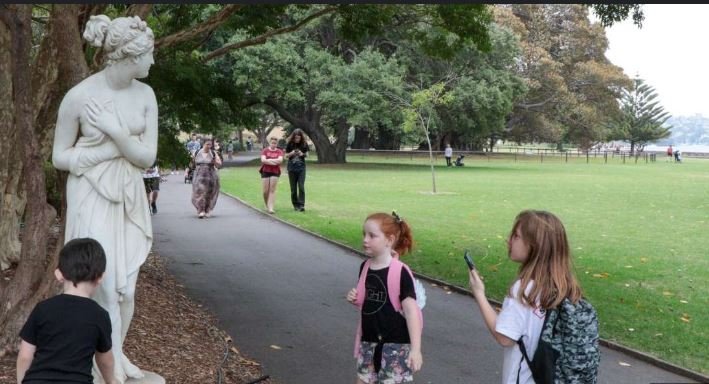
Embarking on a self-guided nature walks through botanical gardens and parks offers a refreshing way to connect with nature, appreciate diverse plant life, and enjoy serene outdoor environments. This form of exploration allows you to move at your own pace, delve into the intricacies of plant species, and fully absorb the tranquil beauty of natural settings. Here’s how to make the most of your self-guided nature walk through these enchanting spaces.

Self-Guided Nature Walks: Botanical Gardens and Parks

Choosing the Right Location

The first step in planning a self-guided nature walk is selecting the right location. Botanical gardens and parks vary in size, plant collections, and features, so choose one that aligns with your interests and time constraints. Research different gardens and parks in your area or destinations of interest, and look for ones that offer diverse plant species, thematic gardens, or unique natural features. Online reviews, local tourism websites, and garden maps can help you identify the most suitable spots.

Preparing for Your Walk

Before setting out, make sure you’re well-prepared for your nature walk. Wear comfortable clothing and sturdy walking shoes suitable for various terrains. Bring essentials like a hat, sunscreen, and insect repellent to protect yourself from the elements. Pack a water bottle to stay hydrated and consider bringing a camera or sketchbook to capture the beauty you encounter. A small notebook can also be handy for jotting down observations or interesting plant species.

Navigating Botanical Gardens

Botanical gardens often have well-marked paths and informative signage about the plants and features along the way. Use the garden map to plan your route and decide which areas to explore. Take your time to read the information panels, which provide insights into the plants’ origins, characteristics, and uses. Many gardens also offer themed sections, such as tropical rainforests or desert landscapes, providing diverse experiences within a single visit.

Exploring Parks and Natural Areas

Parks and natural areas may have less formal paths, but they offer opportunities to experience a more natural environment. Follow established trails and be mindful of local wildlife and plant life. Pay attention to signs indicating protected areas or restricted zones. Parks often have scenic spots, such as overlooks or ponds, where you can take breaks and enjoy the view. Engage with the natural surroundings by observing bird species, spotting wildlife, or identifying native plants.

Engaging with Nature

A self-guided nature walk provides ample opportunities to engage with your surroundings. Take a moment to practice mindfulness by listening to the sounds of nature, such as rustling leaves or birdsong. Observe the details of plant life, including leaf patterns, flower colors, and tree bark textures. If you have a plant identification app or guidebook, use it to learn more about the species you encounter. Your observations can deepen your appreciation for the natural world and enhance your walking experience.

Respecting the Environment

While enjoying your self-guided nature walk, it’s essential to respect the environment. Stay on designated paths to avoid trampling plants or disturbing wildlife. Follow any park or garden rules, such as not picking flowers or feeding animals. Carry out any trash you bring with you and leave the area as you found it. Practicing good environmental stewardship ensures that these natural spaces remain beautiful and accessible for future visitors.

Reflecting on Your Experience

After completing your nature walk, take some time to reflect on your experience. Review the highlights of your visit, including interesting plants or peaceful moments you enjoyed. Consider documenting your experience through photos or a journal entry. Sharing your insights with friends or online communities can inspire others to explore and appreciate botanical gardens and parks.

Conclusion

Self-guided nature walks through botanical gardens and parks offer a unique and fulfilling way to explore natural beauty and learn about plant life. By selecting the right location, preparing adequately, navigating thoughtfully, engaging with nature, and respecting the environment, you can create a memorable and enriching outdoor experience. Embrace the serenity and wonder of nature as you embark on your self-guided adventure.

Self-Guided Cycling Tours: Exploring Countryside Routes

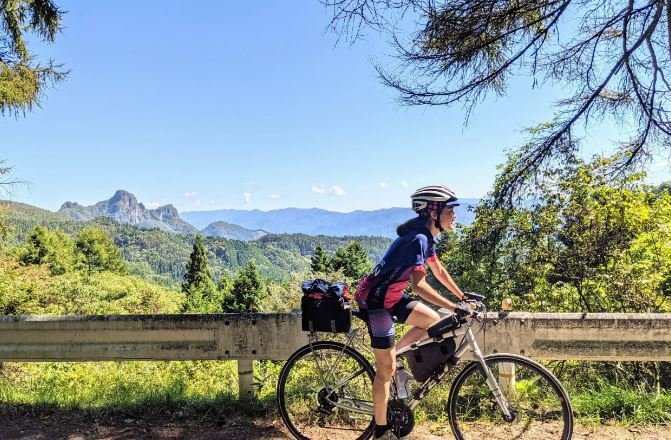
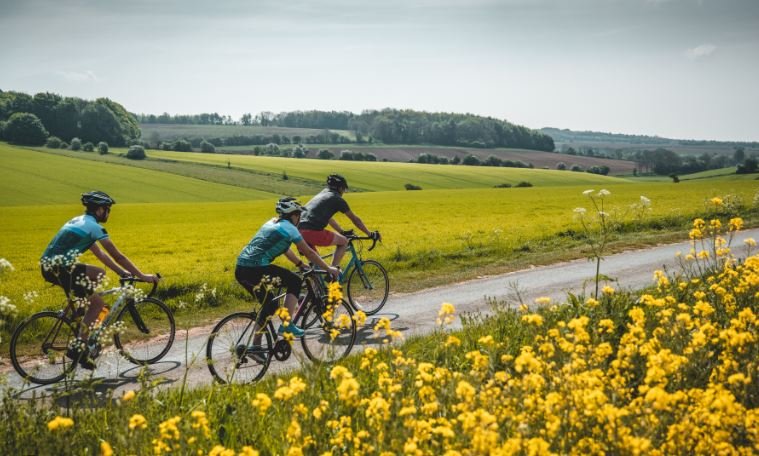
Self-guided cycling tours offer an exhilarating way to explore picturesque countryside routes, combining the freedom of independent travel with the joy of discovering new landscapes. With a well-planned approach, you can immerse yourself in the beauty of rural areas, enjoy scenic vistas, and experience local culture along the way. Here’s how to make the most of your self-guided cycling adventure through the countryside.

Self-Guided Cycling Tours: Exploring Countryside Routes

Planning Your Route

The first step in a successful self-guided cycling tour is selecting your route. Research various countryside trails and paths that suit your cycling skill level and interests. Consider using online mapping tools and cycling apps that highlight scenic routes, elevation changes, and points of interest. Look for recommendations from local cycling clubs or tourism boards for hidden gems and popular trails. Design a route that offers a balance of scenic beauty, manageable distances, and interesting stops.

Preparing for the Journey

Before setting out, ensure your bike is in excellent condition. Check the tires, brakes, and gears, and make any necessary repairs or adjustments. Pack essential gear, including a helmet, water bottle, cycling gloves, and a basic repair kit. Depending on the length of your tour, consider packing lightweight clothing, rain gear, and snacks. Bring a map or GPS device to navigate the route and keep track of your progress.

Navigating the Countryside

As you embark on your self-guided cycling tour, use your chosen navigation tools to follow your route. Pay attention to road signs and trail markers that guide you through the countryside. Be prepared for varying terrain, including hills, gravel paths, and smooth roads. Take breaks at scenic viewpoints or charming local spots to rest and soak in the surroundings. Engaging with local residents can also provide valuable insights and recommendations for additional points of interest.

Immersing in Local Culture

One of the highlights of a self-guided cycling tour is the opportunity to experience local culture. Plan stops at local farms, markets, or small towns to interact with residents and sample regional cuisine. Visit historical landmarks, picturesque villages, or artisan shops to deepen your understanding of the area. Take time to explore off-the-beaten-path locations that may not be included in traditional travel guides.

Safety and Enjoyment

Safety is paramount on any cycling tour. Always adhere to local traffic laws and cycling regulations. Wear appropriate safety gear and use hand signals when turning or stopping. Stay hydrated and take regular breaks to avoid fatigue. Keep an eye on weather conditions and adjust your plans accordingly. Enjoy the journey and embrace the freedom of exploring the countryside at your own pace.

Reflecting on the Experience

After completing your self-guided cycling tour, take time to reflect on your adventure. Review the highlights of your route, memorable interactions with locals, and any challenges you faced. Consider documenting your experience through photos or a journal. Sharing your insights with fellow cyclists or travel enthusiasts can inspire others and contribute to a growing community of cycling enthusiasts.

Conclusion

Self-guided cycling tours through the countryside offer a rewarding and immersive way to explore rural landscapes and local culture. By carefully planning your route, preparing adequately, navigating safely, engaging with local culture, and reflecting on your experience, you can create a memorable adventure. Embrace the freedom of self-guided travel and enjoy the unique perspectives and experiences that cycling through the countryside provides.

Cultural Immersion Self-Guided Museum and Heritage Site Tours
Cultural Immersion: Self-Guided Museum and Heritage Site Tours

Embarking on self-guided museum and heritage site tours offers a unique opportunity for cultural immersion, allowing you to explore and learn at your own pace. This approach provides the flexibility to deeply engage with exhibits and historical landmarks while crafting a personalized experience. Here’s a guide to making the most of your self-guided cultural exploration.

Cultural Immersion Self-Guided Museum and Heritage Site Tours

Crafting Your Itinerary

Start by selecting museums and heritage sites that pique your interest. Research popular and lesser-known attractions in your destination, including art galleries, historical landmarks, and cultural institutions. Many cities offer detailed tourism websites or apps featuring information on various sites such as hours of operation, ticket prices, and notable exhibits. Curate an itinerary that aligns with your interests, ensuring a balanced mix of major attractions and hidden gems.

Preparing for Your Visit

Before heading out, gather relevant information about the sites you’ll be visiting. Many museums and heritage sites offer self-guided tour apps or audio guides that enhance the visitor experience. Download these resources in advance if available. Familiarize yourself with the exhibits or historical periods you’ll encounter to enrich your visit. Consider bringing a notebook or using a smartphone to take notes or capture photos, helping you document and reflect on your experience.

Navigating the Sites

On the day of your visit, use a map or digital guide to navigate the museum or heritage site efficiently. Museums often provide floor plans at their entrance or online, which can help you plan your route. For heritage sites, follow directional signs or informational plaques that provide context. Take your time to explore each exhibit or historical feature thoroughly, allowing yourself to delve deeper into areas that capture your interest.

Engaging with Exhibits

Self-guided tours allow for a personalized engagement with exhibits. Utilize available resources such as audio guides, informational brochures, and interactive displays to enhance your understanding. Spend additional time with exhibits or artifacts that particularly intrigue you. Reflect on the significance of each piece and how it fits into the broader historical or cultural context.

Reflecting on Your Experience

After your tour, take a moment to reflect on what you’ve learned and experienced. Keeping a journal to record your thoughts and observations can be valuable. If you visited multiple sites, compare and contrast the exhibits and historical narratives you encountered. Sharing your insights with friends or family can further enrich your understanding and appreciation of the cultural experiences.

Conclusion

Self-guided museum and heritage site tours offer a flexible and immersive way to explore cultural and historical attractions. By thoughtfully planning your itinerary, preparing for your visit, effectively navigating the sites, engaging deeply with the exhibits, and reflecting on your experiences, you can make the most of your self-guided exploration. Embrace the opportunity to immerse yourself in history and culture at your own pace, allowing each museum and heritage site to broaden your understanding and appreciation.