

Staying Safe While Walking and Jogging Outdoors
Walking and jogging are excellent ways to stay fit and enjoy the outdoors, but ensuring your safety while doing so is crucial. Whether you’re an early morning walker or a late-night jogger, taking the right precautions can prevent accidents and keep you safe. This article provides practical tips and guidelines for staying safe while walking and jogging, helping you make the most of your outdoor exercise routine.
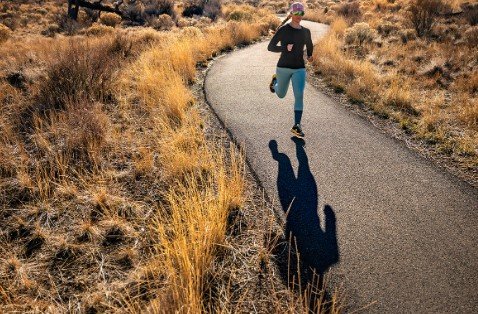
Choose the Right Time and Place
Selecting the right time and location for your walks and jogs is the first step to staying safe. Opt for well-lit, populated areas where you can be easily seen by others. Early mornings and late evenings may be more peaceful, but they can also be riskier if visibility is low. If you prefer exercising during these times, make sure you choose a route that is well-known and frequently used by other pedestrians.
Parks, residential neighborhoods, and dedicated jogging trails are generally safer than busy streets or isolated paths. If possible, avoid unfamiliar areas, especially if you’re alone. The more you know about your route, the better prepared you’ll be to handle any potential risks.
Wear the Right Gear
Wearing appropriate clothing and gear is essential for staying visible and comfortable during your walks and jogs. Bright, reflective clothing is a must, especially during low-light conditions. Reflective gear helps ensure that drivers and other pedestrians can see you from a distance. In addition to clothing, consider wearing a headlamp or carrying a flashlight if you’re out during early mornings or late evenings.
Proper footwear is also important. Invest in a good pair of walking or running shoes that provide adequate support and cushioning. Shoes designed for walking or jogging help prevent injuries by reducing impact and providing stability. Additionally, wearing comfortable, weather-appropriate clothing will keep you comfortable and focused on your activity.
Stay Aware of Your Surroundings
One of the most important safety tips is to stay aware of your surroundings at all times. Avoid distractions such as using your phone or listening to music at high volumes while walking or jogging. If you prefer listening to music, keep the volume low enough to hear what’s happening around you. Being aware of your environment helps you spot potential hazards, such as uneven pavement, approaching vehicles, or suspicious individuals.
When crossing streets, always use designated crosswalks and wait for traffic signals. Make eye contact with drivers before crossing to ensure they see you. If you’re jogging, be cautious when running near traffic and stay on sidewalks or jogging paths whenever possible.
Hydrate and Know Your Limits
Staying hydrated is key to maintaining your energy levels and preventing heat-related illnesses. Carry a water bottle with you, especially on longer walks or jogs. If you’re exercising in hot or humid conditions, take breaks in shaded areas and drink water regularly. Dehydration can lead to dizziness, fatigue, and other health issues, so it’s important to listen to your body and stay hydrated.
Knowing your physical limits is equally important. Don’t push yourself too hard, especially if you’re new to walking or jogging. Start with shorter, less intense sessions and gradually increase your distance and pace. Overexertion can lead to injuries or exhaustion, so it’s essential to pace yourself and allow time for recovery.
Practice Personal Safety
Personal safety is a critical aspect of staying safe while walking and jogging. If possible, exercise with a friend or in a group. There’s safety in numbers, and having a companion can make your walk or jog more enjoyable. If you prefer going alone, let someone know your route and expected return time.
Carrying a small safety device, such as a whistle or personal alarm, can also be helpful in case of emergencies. In addition, consider taking a self-defense class to learn basic techniques that can help you protect yourself if necessary.
Be Prepared for Emergencies
Being prepared for emergencies can make a significant difference in your safety while walking or jogging. Carrying a phone with you allows you to call for help if needed. Make sure your phone is fully charged before heading out, and store emergency contacts in your phone for quick access. Some fitness apps also offer safety features, such as location sharing or emergency alerts, that can be useful if you encounter a problem.
It’s also wise to carry identification and any necessary medical information, such as allergy alerts or medications, especially if you have a pre-existing condition. In the event of an emergency, having this information readily available can assist first responders in providing appropriate care.
Adapt to Weather Conditions
Weather conditions can significantly impact your safety while walking and jogging. In hot weather, wear light, breathable clothing and avoid exercising during peak sun hours. Use sunscreen to protect your skin from UV rays, and wear a hat to shield your face. In cold weather, layer your clothing to stay warm, but avoid overdressing, which can cause overheating once you start moving.
Rain and snow can make surfaces slippery, so be cautious and consider wearing shoes with good traction. If weather conditions are extreme, such as during a storm or heatwave, it’s best to postpone your walk or jog until conditions improve.
Casino Tutorials for Beginners
Beginners can benefit from structured tutorials to improve gameplay. Explore Explore official resources about casino tutorials for beginners for comprehensive guidance. Expert insights help players understand strategies and rules effectively. Using this knowledge ensures a more rewarding gaming experience.
Conclusion
Walking and jogging are excellent ways to maintain physical fitness and enjoy the outdoors, but safety should always be a priority. By choosing the right time and place, wearing appropriate gear, staying aware of your surroundings, and practicing personal safety, you can enjoy your outdoor exercise routine while minimizing risks. Remember to hydrate, know your limits, and adapt to changing weather conditions to ensure a safe and enjoyable experience every time you step outside.
Comments are closed.